






What's Happening?
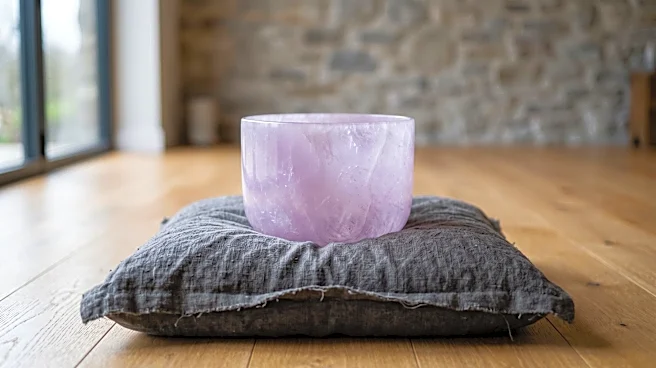
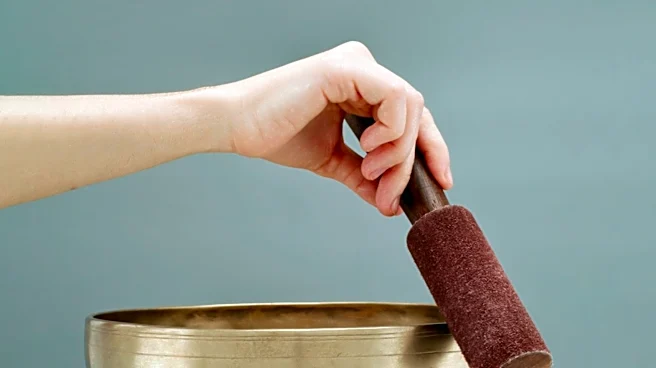
Sound baths, an immersive experience utilizing deep sound vibrations from instruments like chimes and crystal bowls, are increasingly recognized for their potential to reduce stress and promote relaxation. Practitioners like Deb Lanning of Wander with
Direction and Courtney Wiggins of Joyful Noise Sound Therapy lead sessions where participants lie down and are enveloped in resonant tones. The Cleveland Clinic describes sound baths as an experience where individuals are immersed in deep sound vibrations, which may help them decompress. The practice is rooted in the idea that specific frequencies correspond to energy centers in the body, potentially leading to feelings of calmness, looser muscles, improved mood, and better sleep. While scientific studies are still developing, practitioners and participants report benefits such as reduced stress and anxiety, enhanced body awareness, and a sense of inner peace. The experience often begins with a quiet nesting time, allowing participants to get comfortable before the sounds commence. The type of sound varies by practitioner, with some focusing on harmony through alternating bowls and others incorporating disharmony to 'jar loose' internal blockages.
Why It's Important?
The growing popularity of sound baths highlights a broader societal trend towards holistic wellness practices aimed at managing stress and improving mental well-being. In a fast-paced world, individuals are seeking alternative methods to achieve relaxation and inner balance, and sound baths offer a unique, non-invasive approach. The reported benefits, such as reduced stress and anxiety, improved sleep, and enhanced mood, address common health concerns that impact productivity, personal relationships, and overall quality of life. For the wellness industry, this trend signifies an expansion beyond traditional spa treatments and yoga, opening new avenues for practitioners and businesses offering sound healing services. As more people explore these practices, there is potential for increased research into the physiological and psychological effects of sound therapy, which could further legitimize and integrate it into mainstream healthcare as a complementary therapy. The emphasis on intention and personal experience within sound baths also underscores a shift towards more personalized and mindful approaches to health.
What's Next?
As sound baths continue to gain popularity, it is likely that more wellness centers, spas, and independent practitioners will offer these sessions. There may be an increase in specialized training programs for sound bath facilitators, leading to a more standardized approach to the practice while still allowing for individual styles. Further scientific research is anticipated to explore the mechanisms behind the reported benefits, potentially leading to a deeper understanding of how sound vibrations impact the human body and mind. This could involve studies on brainwave activity, stress hormone levels, and long-term psychological effects. The integration of sound baths into corporate wellness programs or healthcare settings as a complementary therapy for stress management and mental health could also expand. Additionally, as the practice evolves, there might be innovations in the types of instruments used and the structure of sessions, catering to diverse needs and preferences of participants.
Beyond the Headlines
Beyond the immediate benefits of relaxation, the rise of sound baths reflects a deeper cultural yearning for connection and mindfulness in an increasingly digital and disconnected world. The practice encourages individuals to slow down, turn inward, and engage with their sensory experiences in a profound way, offering a respite from constant external stimuli. Ethically, as the practice grows, it will be important to ensure that practitioners are adequately trained and that claims about healing are grounded in realistic expectations, avoiding unsubstantiated medical assertions. The legal landscape around alternative therapies may also evolve, potentially requiring certifications or regulations to ensure safety and efficacy. Culturally, sound baths represent a re-engagement with ancient healing traditions that utilized sound and vibration, suggesting a cyclical return to holistic approaches to well-being. This trend could also foster a greater appreciation for the therapeutic power of sound in various forms, influencing music therapy and other auditory-based interventions.