



What's Happening?
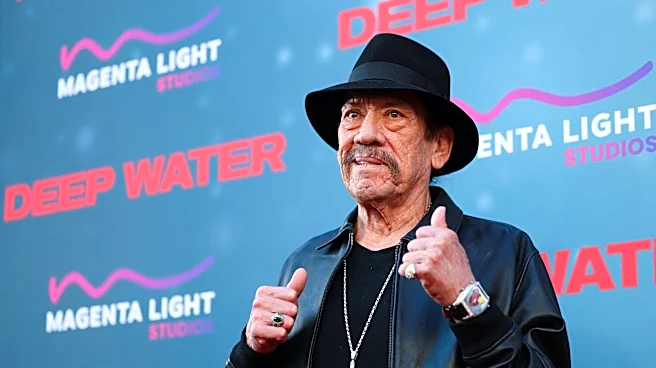
Veteran Hollywood actor Danny Trejo has publicly stated he is 'not pro-ICE' following backlash over his involvement in a film produced by conservative media outlet The Daily Wire, founded by Ben Shapiro. Trejo was cast in a thriller with the working title
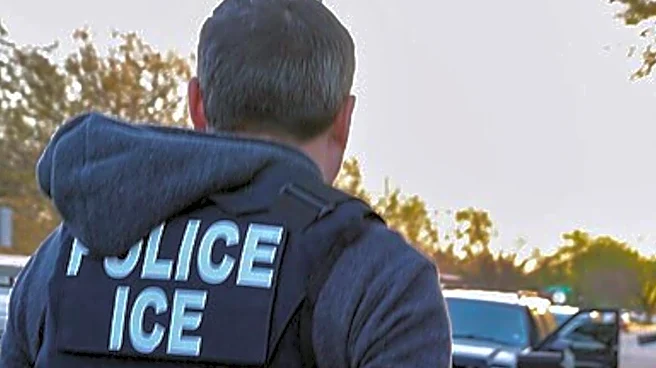
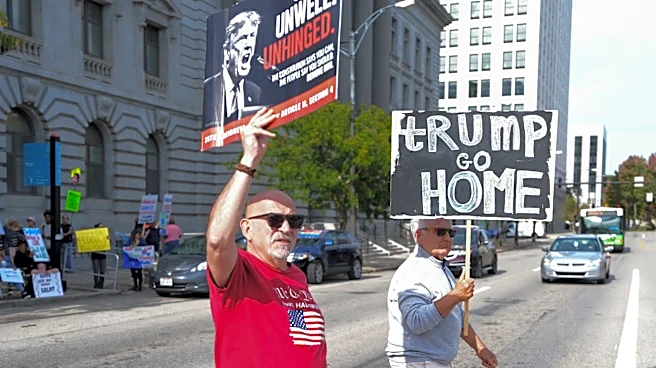
'Pawn Shop,' where he plays a 'hardworking, peace-loving Mexican shop owner.' According to his son, Gilbert Trejo, the 82-year-old actor was unaware of Ben Shapiro's involvement in the production until two weeks into filming. Danny Trejo expressed his pride in his Mexican heritage and his support for the immigrant community, emphasizing his role as an actor whose job is to tell stories. The film has drawn criticism and protests on set due to its perceived pro-ICE narrative, particularly after behind-the-scenes footage suggested a sequence based on the fatal shooting of Renée Good by an ICE officer. Trejo's son indicated that contractual obligations prevent his father from speaking negatively about the film or withdrawing from the project without facing legal action.
Why It's Important?
This situation highlights the complexities actors face when projects they commit to become embroiled in political controversy, especially when the production company's ideological stance clashes with the actor's public image or personal beliefs. For Danny Trejo, known for his strong ties to the Latino community and his advocacy, participation in a film perceived as pro-ICE could damage his reputation and alienate his fanbase. The incident also underscores the growing intersection of entertainment and partisan politics in the U.S., where media companies with distinct political leanings are increasingly producing content. This can lead to ethical dilemmas for artists who may find themselves inadvertently associated with political agendas they do not support, raising questions about due diligence in accepting roles and the transparency of production companies regarding their affiliations. The controversy also reflects broader societal divisions regarding immigration policy and the role of law enforcement agencies like ICE.
What's Next?
The film, 'Pawn Shop,' is currently being shot in Livingston, Montana, and also stars Harvey Keitel, another actor whose ideological views are generally perceived to be opposed to those of Ben Shapiro. It remains unclear whether Keitel was aware of the film's synopsis or producer when he signed on. The ongoing production is likely to continue facing scrutiny and protests, particularly as more details about its narrative emerge. Danny Trejo, bound by his contract, will likely continue his role, but the incident may prompt him and other actors to conduct more thorough vetting of production companies and their affiliations in future projects. The controversy could also spark further discussions within Hollywood about the ethical responsibilities of actors and the transparency of film financing and production, especially when political organizations are involved.
Beyond the Headlines
This event delves into the ethical tightrope walked by artists in an increasingly polarized media landscape. It raises questions about artistic freedom versus social responsibility, and the extent to which an actor's professional choices are perceived as endorsements of a project's underlying message or its producers' ideologies. The situation also exposes the power dynamics within the film industry, where contractual obligations can limit an artist's ability to disassociate from a project, even when it conflicts with their personal values. Furthermore, it highlights how conservative media entities are expanding their reach into mainstream entertainment, potentially creating new avenues for ideological content that may challenge traditional Hollywood narratives. This trend could lead to a more fragmented entertainment landscape, where audiences increasingly choose content based on its alignment with their political views, further deepening cultural divides.