


What's Happening?
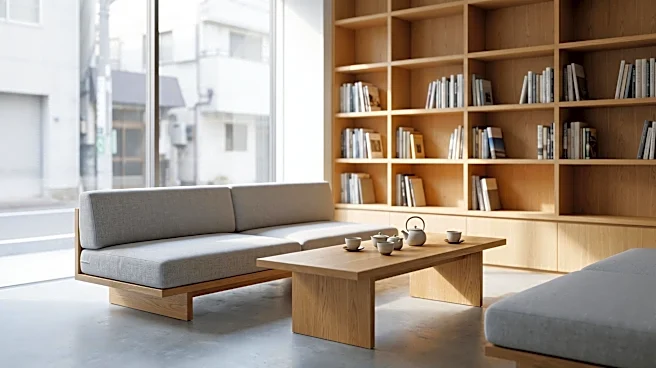
Urban retreats are gaining prominence as a distinct category within the hospitality sector, offering a blend of productivity and relaxation in various city environments. In Lagos, Domo, developed by Design Union Limited, provides a comprehensive urban
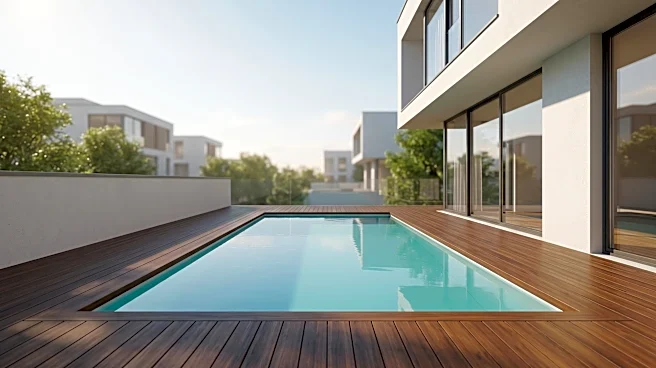
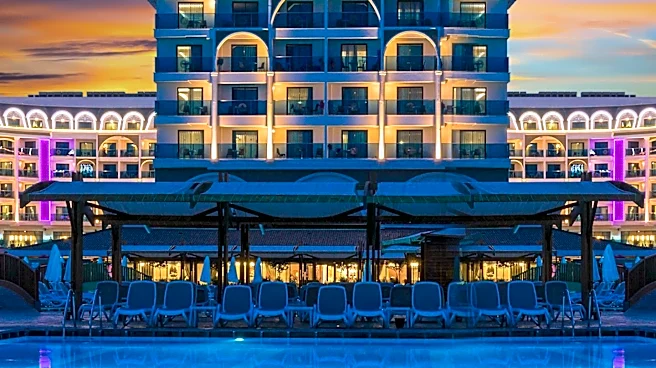
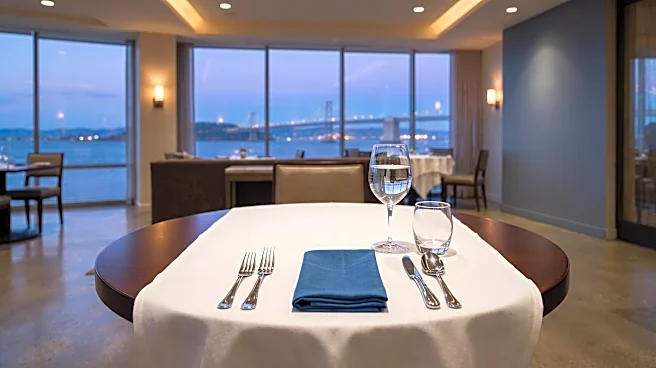
retreat experience, integrating meeting facilities, accommodation, dining, wellness services, and leisure activities for corporate teams, families, and individuals. Similarly, the Hilton in Washington D.C. offers a contemporary urban retreat strategically located near Dupont Circle, Georgetown, and Embassy Row. Bangkok's Anantara Siam Bangkok Hotel also positions itself as a luxurious urban retreat, featuring a 'Best Flexible Rate' offer. In Santo Domingo, an urban retreat near Agora Mall provides residential-style accommodation with two bedrooms and a pool. These establishments are typically situated away from the immediate hustle of major commercial districts, aiming to create a serene yet accessible environment for guests.
Why It's Important?
The rise of urban retreats signifies an evolving demand in the hospitality industry, particularly for travelers seeking a balance between city access and a tranquil environment. This trend impacts the U.S. hospitality market by introducing new models for urban accommodation that cater to both business and leisure travelers. For businesses, these retreats offer alternative venues for corporate events and team-building, moving beyond traditional hotel conference rooms. For individuals, they provide a unique option for staycations or city breaks that prioritize well-being and a sense of escape without leaving the urban landscape. The emphasis on combining various amenities like wellness, dining, and leisure within a single property could lead to increased competition among hotels and a diversification of services offered in urban centers. This shift also highlights a growing consumer preference for integrated experiences that address multiple needs, from work to relaxation, in a single location.
What's Next?
The concept of urban retreats is likely to expand further, with more hospitality developers and existing hotels adapting their offerings to meet this demand. Future developments may include a greater integration of technology to enhance the guest experience, personalized wellness programs, and partnerships with local businesses to offer unique cultural or recreational activities. We can anticipate an increase in properties marketing themselves as urban retreats, emphasizing their ability to provide a peaceful sanctuary amidst the city's vibrancy. This could also lead to new architectural and design trends focused on creating calming and multi-functional spaces within urban settings. The success of these models will likely encourage further investment in mixed-use developments that combine residential, commercial, and hospitality elements, all centered around the 'retreat' philosophy.
Beyond the Headlines
The emergence of urban retreats reflects a broader societal shift towards prioritizing well-being and work-life balance, even within demanding urban environments. This trend suggests a re-evaluation of what constitutes 'luxury' in travel, moving beyond opulent aesthetics to encompass experiences that foster mental and physical rejuvenation. Ethically, these retreats could contribute to more sustainable urban development by repurposing existing structures or integrating green spaces within city limits. Culturally, they may influence urban planning by encouraging the creation of more pedestrian-friendly areas and accessible green spaces. The long-term impact could be a transformation of urban centers into more livable and holistic environments, where the lines between work, leisure, and personal well-being become increasingly blurred, leading to a more integrated and mindful urban lifestyle.