






What's Happening?
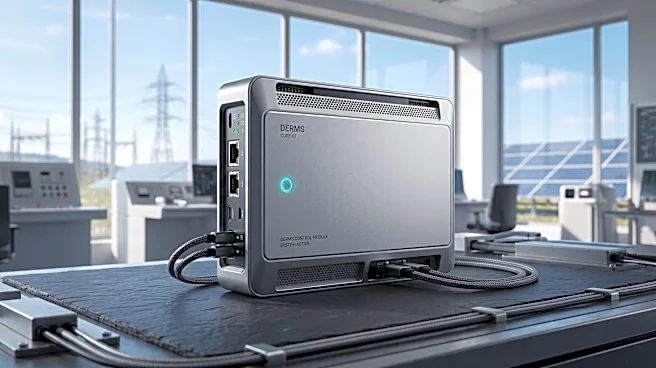
Electric cooperatives, including Big Rivers Electric Corporation in Kentucky and Ozarks Electric Cooperative in Arkansas and Oklahoma, are detailing their initial steps in implementing Distributed Energy Resources Management Systems (DERMS). This move
aims to unlock the capabilities of flexible demand-side energy. Mason Milligan, manager of member technical services at Big Rivers Electric Corporation, highlighted the challenge of introducing new ideas and the need for an educational series to inform internal staff, member owners, and the board about DERMS. Similarly, Todd Clouse, energy services manager at Ozarks Electric Cooperative, noted that early DERMS technology was device-centric, but recent advancements allow for seamless integration. Both cooperatives emphasize a delicate approach to demand response programs to ensure member satisfaction and participation, viewing them as an 'insurance policy' against grid constraints rather than monthly peak clipping.
Why It's Important?
The implementation of DERMS by electric cooperatives is a significant development for the U.S. energy sector. It signifies a shift towards more dynamic and responsive grid management, crucial for integrating renewable energy sources and managing fluctuating demand. For consumers, these programs could lead to more stable energy prices and potentially new ways to participate in energy management, such as through smart thermostat programs. For the utilities, DERMS offers a pathway to enhance grid reliability, optimize generation fleets, and meet sustainability goals. The cautious, member-centric approach adopted by these cooperatives is vital, as successful DERMS deployment relies heavily on consumer buy-in and understanding. This initiative could set a precedent for other utilities looking to modernize their infrastructure and embrace distributed energy resources.
What's Next?
Big Rivers Electric Corporation plans to launch a behavioral program and its smart thermostat program, with future phases including conservation voltage reduction (CVR) across its member cooperatives. Milligan also identified home generators as a high-priority area for future DERMS integration due to their potential for significant impact. Ozarks Electric Cooperative remains open to any initiatives that benefit its members and pencil out financially, focusing on 'win-win scenarios.' The ongoing development and expansion of DERMS programs will likely involve continued technological advancements, educational outreach to members, and careful balancing of utility needs with consumer preferences. The success of these initial steps will inform broader adoption across the U.S. electric cooperative landscape.
Beyond the Headlines
The move towards DERMS highlights a fundamental transformation in how electricity grids are managed, shifting from a centralized model to a more distributed and intelligent network. This has profound implications for energy independence, resilience against outages, and the transition to a low-carbon economy. Ethically, it raises questions about data privacy and consumer control over their energy usage, as smart devices become increasingly integrated into the grid. Culturally, it represents a gradual shift in consumer behavior, where individuals become more active participants in energy management rather than passive consumers. The long-term success of DERMS will depend not only on technological prowess but also on fostering trust and collaboration between utilities and their members.