








What's Happening?
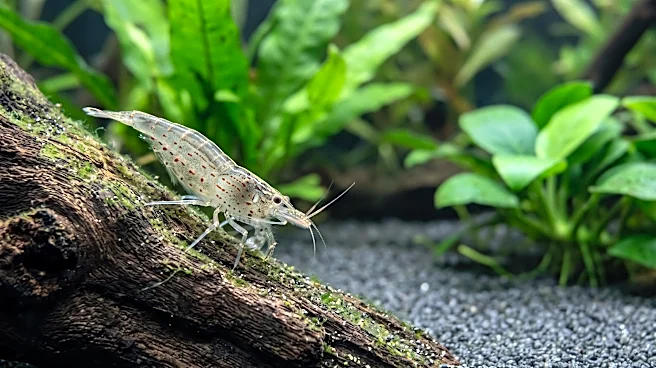
Amano shrimp, scientifically known as Caridina multidentata, are a type of decapod crustacean widely utilized in freshwater aquariums for their algae-grazing capabilities. These shrimp are characterized by their translucent or grayish bodies, often marked
with brown or reddish-brown spots and broken lateral dashes. Their color intensity can fluctuate based on their environment, diet, stress levels, and lighting conditions. Originating from clear, flowing freshwater streams and rivers in Japan and Taiwan, Amano shrimp thrive among stones, leaf litter, wood, and aquatic vegetation, where they naturally consume algae, biofilm, and organic particles. While they are effective scavengers, they are not a complete substitute for regular aquarium maintenance and benefit from supplemental foods like shrimp pellets, algae wafers, or blanched vegetables. Their growth involves periodic molting, during which they shed their old exoskeleton and form a new, larger one.
Why It's Important?
The widespread use of Amano shrimp in the U.S. aquarium hobby highlights a growing interest in natural and sustainable methods for maintaining aquatic environments. These shrimp offer an eco-friendly alternative to chemical treatments for algae control, contributing to healthier and more balanced freshwater ecosystems within homes and commercial settings. Their role as natural grazers reduces the need for manual cleaning and can improve water quality by consuming decaying organic matter. This trend reflects a broader consumer preference for biological solutions in pet care and environmental management. For the pet industry, the demand for Amano shrimp supports breeders and suppliers, while for hobbyists, it provides an accessible and effective tool for aquarium upkeep, fostering a deeper understanding of aquatic biology and ecological balance.
What's Next?
As the popularity of natural aquarium maintenance continues to grow, further research and development in aquaculture may focus on optimizing breeding conditions for Amano shrimp and other beneficial aquatic invertebrates. This could lead to more efficient and sustainable production methods, making these shrimp even more accessible to hobbyists and commercial aquariums. Educational initiatives may also expand to inform consumers about the proper care and ecological benefits of Amano shrimp, promoting responsible pet ownership and environmental stewardship. Additionally, the success of Amano shrimp as natural algae controllers could inspire the exploration of other biological agents for various environmental applications, potentially influencing practices in water treatment and ecological restoration.
Beyond the Headlines
The integration of Amano shrimp into the aquarium hobby underscores a subtle but significant shift in human interaction with natural systems. It exemplifies a micro-scale application of ecological principles, where a living organism is introduced to perform a specific environmental service. This practice encourages a more holistic view of ecosystems, even in a contained environment like an aquarium, moving beyond purely aesthetic considerations to embrace functional ecological roles. The reliance on these shrimp for algae control also raises ethical considerations regarding the sourcing and welfare of aquatic animals in the pet trade. Furthermore, the success of such biological solutions in small-scale settings could influence broader discussions on biodiversity, natural resource management, and the potential for bio-remediation in larger environmental contexts, highlighting the interconnectedness of even the smallest biological components.