


What's Happening?
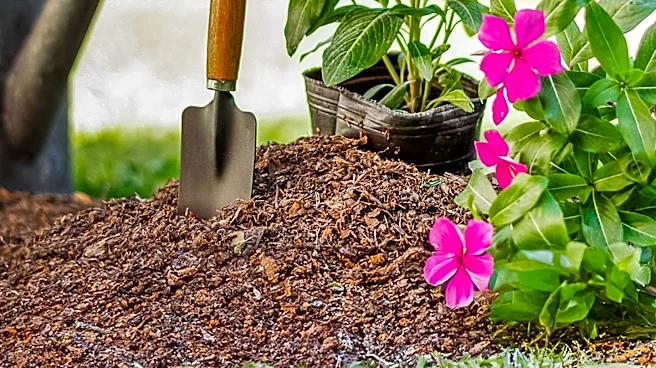
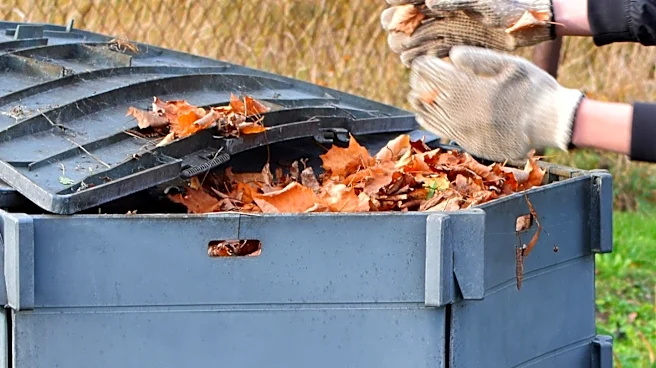
Composting at home is presented as an effective method to convert kitchen scraps and yard waste into nutrient-rich soil, thereby reducing household waste and enhancing garden health. This natural process involves microorganisms, worms, and insects breaking
down organic materials to create compost, a dark, crumbly substance packed with nutrients. The benefits of home composting include improved soil structure, reduced reliance on chemical fertilizers, and a decrease in landfill waste. Various composting systems are available, from simple piles to specialized bins, catering to different space constraints. For those with limited outdoor space, indoor compost bins or vermicomposting (worm bins) offer viable solutions. Key to successful composting is balancing 'greens' (nitrogen-rich materials like fruit and vegetable peels) with 'browns' (carbon-rich materials like dry leaves), maintaining proper moisture, and regular aeration. Avoiding meat, dairy, and oily foods is crucial to prevent pests and odors.
Why It's Important?
Home composting plays a significant role in environmental sustainability by diverting organic waste from landfills, where it would otherwise produce methane, a potent greenhouse gas. This practice directly contributes to reducing an individual's carbon footprint and supports broader waste reduction goals. Economically, it can lessen the need for purchasing commercial fertilizers and soil amendments, offering a cost-effective way to maintain garden health. Socially, promoting home composting encourages a more conscious approach to waste management and resource utilization within communities. It empowers individuals to take direct action in environmental conservation, fostering a sense of responsibility and connection to natural cycles. The ability to compost in small spaces, such as apartments, makes this sustainable practice accessible to a wider demographic, increasing its potential impact on urban waste streams.
What's Next?
As awareness of environmental issues grows, home composting is likely to become an increasingly popular practice. Continued innovation in composting technology, such as more compact and efficient indoor systems, could further facilitate its adoption in urban environments. Educational initiatives and community programs promoting composting are expected to expand, encouraging more households to participate. The development of local community composting programs, where residents can drop off their organic waste, may also become more widespread, creating collective impact. Furthermore, as the benefits of compost for soil health become more widely recognized, there may be increased demand for compost-enriched products and a greater integration of composting principles into sustainable gardening and landscaping practices. This trend could lead to a more circular economy at the household level, where waste is viewed as a valuable resource.
Beyond the Headlines
Beyond its immediate practical benefits, home composting embodies a deeper philosophical shift towards a more sustainable and regenerative lifestyle. It encourages individuals to reconnect with natural processes and understand the value of organic matter, moving away from a linear 'take-make-dispose' model. This practice can foster a greater appreciation for the interconnectedness of ecosystems, from kitchen to garden. Ethically, it represents a commitment to reducing one's environmental impact and contributing to the health of the planet. Culturally, as more people adopt composting, it can normalize sustainable behaviors and inspire broader community engagement in environmental stewardship. The act of composting can also serve as a tangible, everyday reminder of ecological principles, promoting a more mindful consumption and waste generation. This personal engagement with waste transformation can lead to broader advocacy for environmental policies and sustainable practices.