


What's Happening?
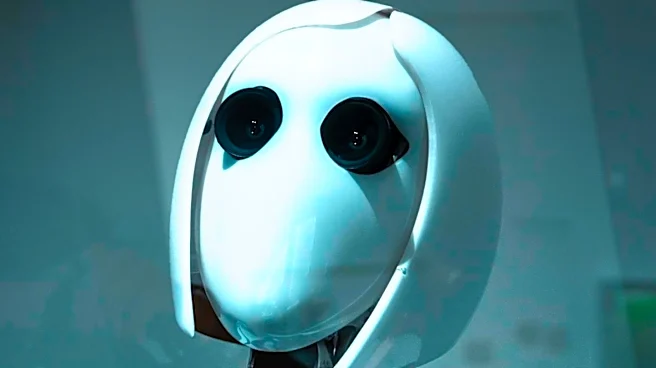
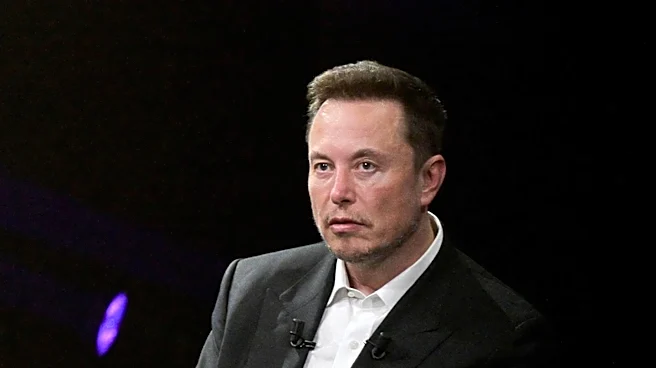
Tesla, led by CEO Elon Musk, is making significant strides in the production of its Optimus humanoid robot, with plans to begin manufacturing at its Fremont factory later this summer. The Optimus V3 model, featuring advanced AI capabilities and human-like
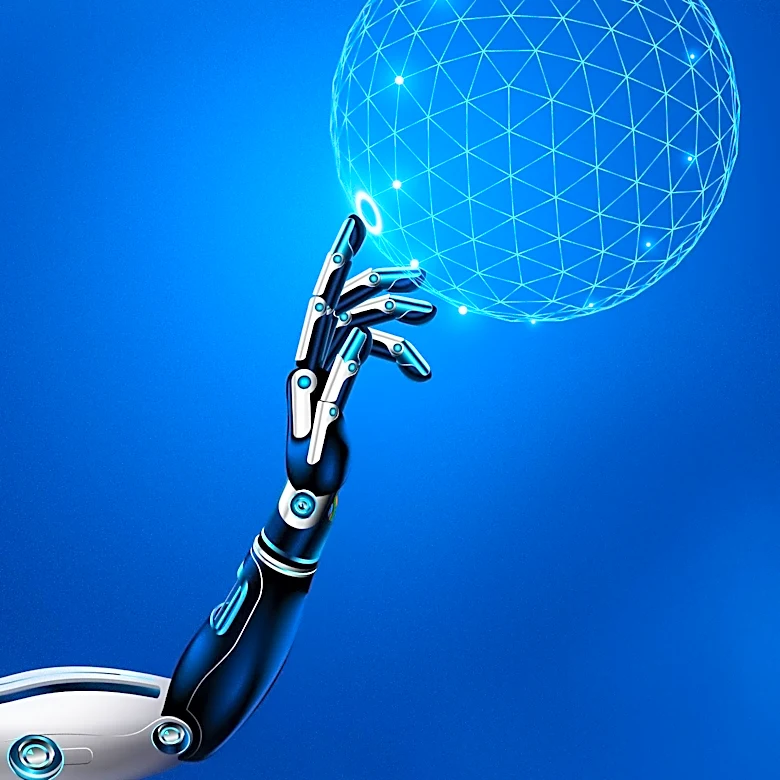
dexterity, is central to Tesla's growth strategy, alongside its robotaxi rollout. However, the company faces substantial challenges in scaling production due to a lack of existing supply chains for critical components, particularly the robot's hands. Tesla is working with suppliers like Samsung, TSMC, and Panasonic to develop a domestic supply chain, but much of the production will need to be handled in-house.
Why It's Important?
The development of the Optimus robot represents a major strategic pivot for Tesla, highlighting the company's commitment to AI and robotics. This move could redefine Tesla's market position, expanding its influence beyond electric vehicles into the broader tech industry. The success of the Optimus project could set a precedent for future robotics innovations, impacting industries reliant on automation and AI. However, the supply chain challenges underscore the complexities of scaling such advanced technology, which could affect Tesla's ability to meet production targets and investor expectations.
What's Next?
Tesla's immediate focus will be on overcoming the supply chain hurdles to ensure the successful production and deployment of the Optimus robots. The company is investing heavily in building the necessary infrastructure and partnerships to support this initiative. As production ramps up, Tesla will need to demonstrate the commercial viability of the Optimus robots, particularly in terms of their application in various industries. The outcome of these efforts will be closely watched by investors and industry analysts, as it could influence Tesla's future strategic direction and financial performance.