







What's Happening?
Linvilla Orchards, a Delaware County landmark, is celebrating 112 years of operation, showcasing a history of growth, resilience, and adaptation. Founded in 1914 by Arthur Linvill and his mother Lydia as a dairy farm, it quickly transitioned to fruit
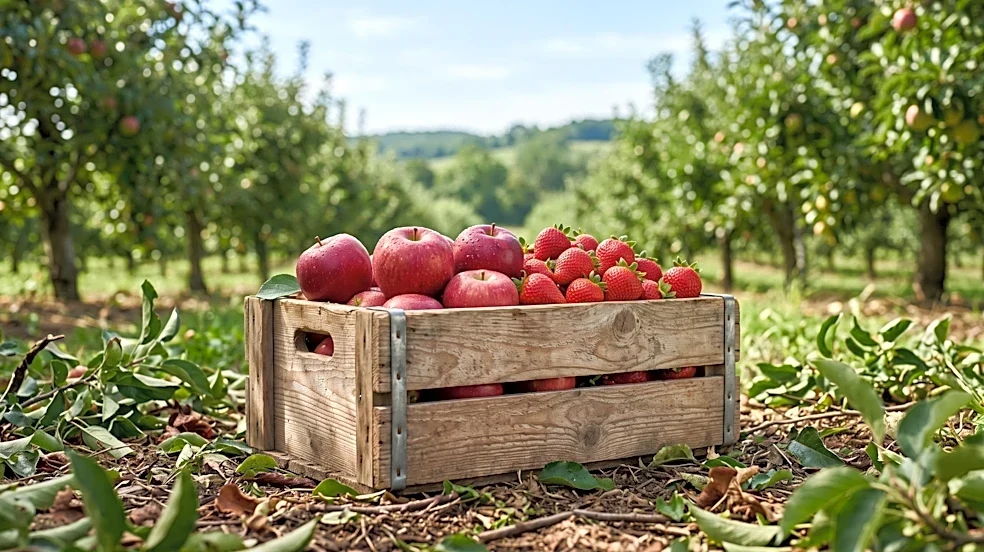
farming. Over the decades, the farm expanded its offerings from selling produce on a farmhouse porch to operating a full farm market, swim clubs, a bakery, and a garden center. The family faced significant challenges, including a near sale in 1987 that was averted by Middletown Township purchasing 157 acres to preserve open space, and a devastating fire in 2002 that destroyed its iconic octagonal barn. Most recently, in April, a freeze damaged 60 to 90 percent of its apple crop, half of its early-season strawberries, and 90 percent of its peach crop. Despite these setbacks, Linvilla Orchards has continued its seasonal traditions, adjusting its pick-your-own offerings and sourcing apples from other farms.
Why It's Important?
Linvilla Orchards represents a significant piece of local history and a testament to the enduring spirit of family-run agricultural businesses in the U.S. Its 112-year journey highlights the challenges and transformations faced by farms over more than a century, from adapting to changing consumer demands to navigating economic pressures and natural disasters. The farm's ability to innovate, such as converting the barn's foundation into a beer garden and expanding into Christmas tree farming, demonstrates the critical role of adaptability for long-term survival in the agricultural sector. The community's connection to Linvilla, through traditions like pumpkin picking and hayrides, underscores the cultural and social value of such establishments beyond their economic contributions. The farm's resilience in the face of a lost harvest also illustrates the vulnerability of agriculture to climate events and the importance of flexible business strategies.
What's Next?
Linvilla Orchards continues to operate, with its fall season proceeding as planned, including the Apple Festival and a stocked farm market. The farm's ongoing adjustments, such as sourcing produce from other farms to compensate for its own crop losses, indicate a proactive approach to maintaining its business and traditions. The family's history of overcoming challenges, from financial strains to natural disasters, suggests a continued commitment to adapting and innovating. Future plans may involve further diversification of offerings or exploring new agricultural technologies to mitigate risks from climate change. The success of its beer garden, a significant departure from its founder's initial stance on cider, points to a willingness to embrace new ventures while preserving the core identity of the farm. The focus will likely remain on balancing tradition with necessary evolution to ensure its legacy for future generations.
Beyond the Headlines
The story of Linvilla Orchards offers a deeper insight into the evolving relationship between agriculture, community, and land use in America. The intervention by Middletown Township to purchase land and preserve open space highlights the increasing recognition of the environmental and social value of farms beyond their productive capacity. This act of preservation allowed the farm to continue operating, showcasing a model where local government and private enterprise can collaborate to maintain green spaces and cultural heritage. Furthermore, the farm's journey from a dairy farm to a diverse agricultural and recreational destination reflects broader shifts in consumer preferences towards agritourism and locally sourced produce. The family's continuous adaptation, including embracing new technologies and business models, underscores the dynamic nature of farming and its role in shaping local economies and community identity in the face of modernization and environmental pressures.