






What's Happening?
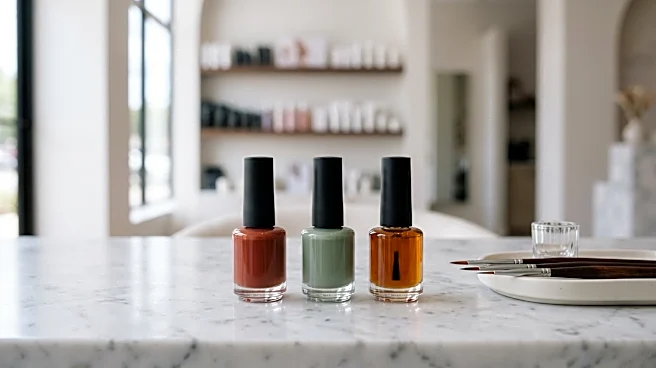
The European Union has implemented bans on certain chemical ingredients found in gel nail polishes, rather than issuing a blanket ban on gel polish itself. Since September 2021, the sale of gel polishes containing HEMA and DI-HEMA-TMHDC to consumers has been
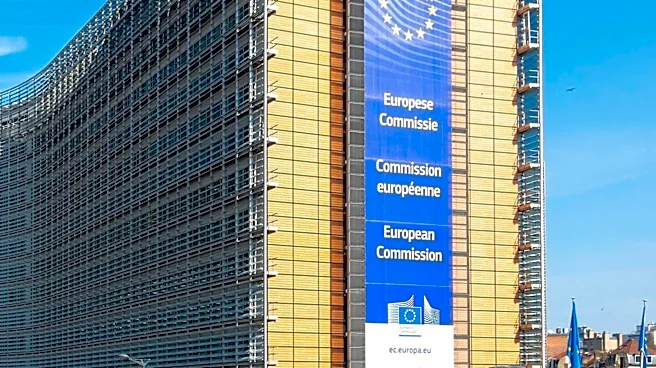
prohibited in EU countries. These molecules, part of the acrylate or methacrylate chemical family, are known for their reactive, sensitizing, and volatile properties, which contribute to polish adhesion but also pose health risks. Only nail professionals are permitted to use products containing these substances in salons under specific conditions. Additionally, a more recent ban on TPO (Trimethylbenzoyl Diphenylphosphine Oxide), a photoinitiator commonly used in many gels and gel polishes, is set to take effect on September 1, 2025. This ongoing regulatory action reflects a broader effort by European authorities to restrict hazardous chemical ingredients in cosmetic formulas, including substances previously used for their plasticizing, hardening, or preserving properties like toluene, DBP (dibutyl phthalate), formaldehyde, and hydroquinone.
Why It's Important?
While these bans are specific to the European Union, they highlight a growing global concern regarding the safety of cosmetic ingredients and could influence product development and regulatory discussions in the United States. U.S. consumers and beauty professionals may see an increased demand for 'HEMA-free' or 'TPO-free' products, even if not legally mandated, as manufacturers adapt to international standards and consumer preferences for safer alternatives. The restrictions underscore the potential for allergic reactions and other health issues associated with certain chemical components in nail products, which could lead to heightened awareness and scrutiny of ingredient lists in the U.S. market. This trend could also spur innovation among U.S. beauty companies to develop and market products with alternative, less sensitizing formulations, potentially shifting market dynamics and consumer choices towards 'cleaner' beauty options.
What's Next?
As the September 1, 2025, ban on TPO approaches in the EU, manufacturers supplying both European and international markets will need to ensure their gel polish formulations comply with the new regulations. This could lead to a wider availability of TPO-free products globally, including in the U.S., as companies streamline their production for various markets. U.S. consumers and nail technicians might increasingly seek out products that adhere to these European standards, driven by health consciousness and the desire to avoid potential allergens. Regulatory bodies in the U.S. may also monitor the impact of these European bans and consumer responses, potentially influencing future domestic discussions on cosmetic ingredient safety and labeling requirements. The beauty industry is likely to continue its shift towards more bio-based and less sensitizing ingredients, with companies emphasizing transparency about their product compositions.
Beyond the Headlines
The European Union's targeted bans on specific gel nail polish ingredients reflect a broader societal movement towards greater chemical safety and consumer protection in personal care products. This trend extends beyond nail care, influencing various sectors of the beauty industry to re-evaluate and reformulate products. The emphasis on ingredients like HEMA and TPO, known for their potential to cause allergic reactions, highlights the long-term health implications for both consumers and beauty professionals who are regularly exposed to these substances. This regulatory approach could foster a more informed consumer base that prioritizes ingredient transparency and safety, potentially leading to a 'race to the top' among beauty brands to offer the safest and most environmentally friendly products. The distinction between professional-use and consumer-sale restrictions also raises questions about occupational health and safety standards within the beauty industry, prompting a closer look at ventilation, training, and protective measures for nail technicians globally.