







What's Happening?
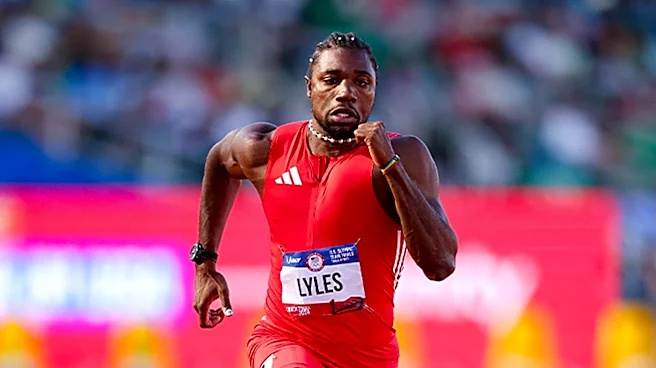
Dr. Tamanna Singh, Director of Cleveland Clinic’s Sports Cardiology Center, advises runners on the detrimental effects of alcohol on training and race performance. She recommends cutting out alcohol during critical phases of a training cycle, specifically
three to four weeks before the taper period for a marathon, and entirely during the two to three weeks of tapering. Alcohol interferes with essential recovery processes such as high-quality sleep, adequate hydration, and heart-rate recovery and variability. Physiologically, alcohol metabolism by the liver prioritizes clearing toxins over providing glucose for energy, making it harder for runners to maintain pace. Additionally, alcohol impairs muscle repair and synthesis by inhibiting growth hormone and can negatively impact sleep quality and heart rate variability (HRV).
Why It's Important?
This guidance from a Cleveland Clinic expert is crucial for U.S. athletes and the broader fitness community. It provides actionable advice that can significantly impact athletic performance and recovery, potentially preventing injuries and improving race outcomes. For an industry heavily invested in sports nutrition, training programs, and athlete well-being, Dr. Singh's insights underscore the importance of lifestyle choices beyond just physical training. It highlights how seemingly minor habits like occasional drinking can have substantial physiological consequences, affecting energy levels, muscle recovery, and cardiovascular health. This information can influence training regimens, dietary recommendations, and public health messaging around alcohol consumption for active individuals, promoting healthier practices and optimizing athletic potential.
What's Next?
Runners preparing for races are encouraged to integrate Dr. Singh's recommendations into their training plans, particularly focusing on abstaining from alcohol during the intense build-up and taper phases. This advice may lead to a re-evaluation of personal habits among athletes and could be incorporated into coaching strategies and sports medicine guidelines. Educational initiatives from sports organizations and health institutions might further disseminate this information, emphasizing the physiological benefits of alcohol avoidance for peak performance. Future research could explore the specific thresholds of alcohol consumption that impact different types of athletic performance and recovery, providing more tailored recommendations for athletes across various disciplines.
Beyond the Headlines
The advice on alcohol and athletic performance extends beyond just race day, touching upon the broader implications of lifestyle choices on overall health and fitness. It highlights the intricate connection between diet, rest, and physical exertion, emphasizing that optimal performance is a holistic endeavor. This perspective challenges the cultural acceptance of alcohol in many social settings, particularly for individuals committed to rigorous physical goals. It also subtly reinforces the idea that true athletic excellence often requires discipline and sacrifice in various aspects of life, not just during training sessions. The focus on physiological markers like HRV and growth hormone provides a scientific basis for these recommendations, moving beyond anecdotal evidence to a more evidence-based approach to athlete wellness.