






What's Happening?
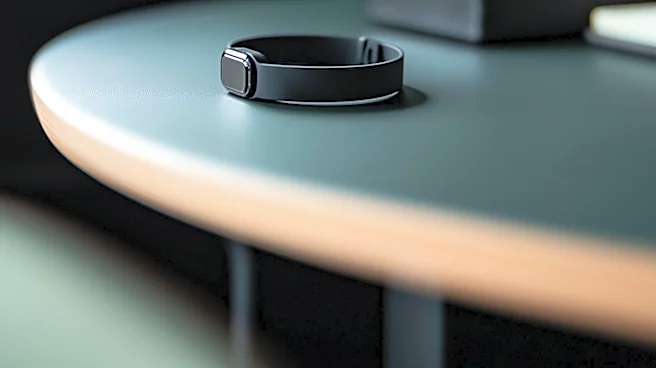
The Amazfit Helio Strap Pro is gaining attention as a screenless fitness tracker that provides detailed health and recovery data without requiring a monthly subscription. Unlike many premium wearables such as WHOOP or Oura Ring, which often come with recurring
fees, the Helio Strap Pro offers continuous heart rate monitoring, sleep tracking, and recovery insights through its accompanying Zepp app. The device boasts a battery life of approximately 11 days, significantly outperforming many smartwatches. It features a slim design, making it comfortable for continuous wear, including during sleep. The tracker is designed to be unobtrusive, with the sensor being transferable between a wristband for daily wear and an armband for more accurate exercise tracking. The Zepp app serves as the central hub for data interpretation, offering various dashboards for sleep, heart rate, recovery, and training information. While it tracks numerous metrics, users can customize their focus to avoid data overload, concentrating on aspects like movement consistency, sleep duration, and recovery status.
Why It's Important?
The emergence of the Amazfit Helio Strap Pro addresses a growing demand in the U.S. fitness technology market for affordable, subscription-free wearable solutions. Many consumers are wary of the accumulating costs associated with premium fitness trackers that require ongoing memberships. By eliminating this recurring expense, Amazfit makes advanced health and recovery tracking more accessible to a broader demographic, potentially disrupting the market dominance of subscription-based models. Its extended battery life also tackles a common pain point for smartwatch users, who often face daily charging routines. This convenience can lead to more consistent data collection, providing users with a more accurate long-term view of their health trends. The screenless design caters to individuals who experience 'notification fatigue' from traditional smartwatches, offering a more passive yet effective way to monitor fitness without constant digital distractions. This approach could encourage greater adoption among those who prioritize data privacy and a less intrusive wearable experience.
What's Next?
The success of the Amazfit Helio Strap Pro could prompt other fitness technology companies to re-evaluate their pricing and subscription strategies. Competitors might introduce more budget-friendly, subscription-optional, or screenless alternatives to remain competitive. Amazfit is likely to continue refining the Zepp app, potentially adding more intuitive features or AI-driven coaching without imposing additional costs, further solidifying its market position. The company may also explore expanding its ecosystem of compatible accessories or integrating with other health platforms to enhance data utility. Consumer feedback regarding the lack of automatic workout detection and the need to switch the sensor for optimal exercise tracking could lead to future hardware or software updates. The trend towards unobtrusive, long-lasting, and cost-effective fitness trackers is expected to grow, influencing product development across the industry as companies seek to balance advanced features with user convenience and affordability.
Beyond the Headlines
The Amazfit Helio Strap Pro's design philosophy, emphasizing a screenless experience and subscription-free model, reflects a broader cultural shift towards mindful technology consumption. In an era of constant digital bombardment, devices that offer utility without demanding continuous attention are becoming increasingly appealing. This tracker encourages users to engage with their health data intentionally, rather than being passively fed notifications. Ethically, its affordability and lack of subscription barriers democratize access to advanced health insights, potentially reducing health disparities by making wellness tools available to a wider economic spectrum. The focus on continuous, background data collection also highlights a move towards preventative health, empowering individuals with long-term trend data to make informed lifestyle choices. This approach could foster a more sustainable relationship with technology, where devices serve as tools for self-improvement rather than sources of distraction or financial burden, ultimately promoting a more holistic view of personal well-being.