





What's Happening?
As winter approaches in much of the U.S., outdoor gardening ceases, necessitating a shift to indoor container gardening for herbs. This transition requires specific adaptations due to the dry, heated air and reduced natural light in homes during colder
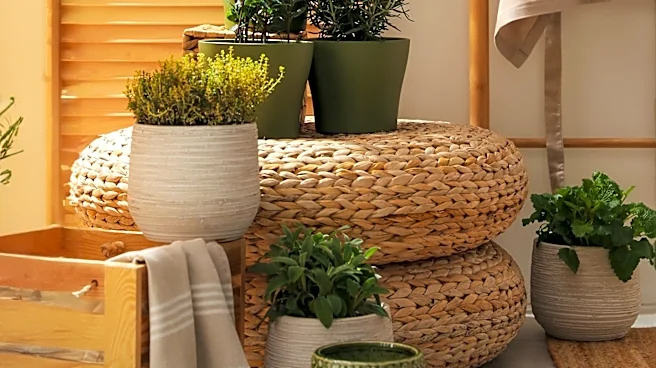
months. Key considerations for successful indoor herb cultivation include prioritizing drainage in containers, using sterile and lightweight potting mixes, and supplementing natural light with LED grow lights. Without proper drainage, moisture can accumulate, leading to root rot. Garden soil is too dense for indoor containers, compacting and depriving roots of oxygen. Furthermore, the limited daylight in November, even from south-facing windows, is often insufficient for most culinary herbs, which need at least six hours of direct sun daily. The Great Value LED Clamp Grow Light is suggested as a versatile and budget-friendly solution to provide the necessary full-spectrum light for 12 to 14 hours a day, preventing plants from becoming weak or pale. Recommended winter-resilient herbs include rosemary, thyme, and chives, which tolerate indoor conditions well.
Why It's Important?
The ability to successfully grow herbs indoors during winter offers significant benefits for U.S. households, particularly for those in regions with harsh cold seasons. It allows individuals to maintain a continuous supply of fresh culinary herbs, enhancing winter meals and providing a connection to gardening year-round. This practice can also contribute to household food security and reduce reliance on store-bought herbs, which may have traveled long distances. For gardening enthusiasts, it provides a therapeutic outlet during months when outdoor activities are limited. The emphasis on proper drainage, specialized potting mixes, and supplemental lighting highlights the technical aspects of indoor horticulture, underscoring the need for informed practices to avoid common pitfalls like root rot and insufficient growth. The selection of resilient herb varieties further ensures a higher chance of success, making indoor gardening accessible and rewarding for a broader audience.
What's Next?
Individuals planning to cultivate indoor herb gardens should focus on acquiring appropriate containers with drainage, suitable potting mixes, and, if necessary, LED grow lights. Monitoring indoor temperatures and humidity will be crucial, as will adjusting watering schedules to prevent over or under-watering. As the winter progresses, gardeners may need to fine-tune light exposure and nutrient provision to maintain plant health and vigor. The continued availability of fresh herbs could encourage more households to adopt indoor gardening practices, potentially leading to increased demand for specialized indoor gardening products. Educational resources on indoor plant care will remain valuable for new and experienced gardeners alike, ensuring they can adapt to the unique challenges of growing plants within a home environment.
Beyond the Headlines
The growing interest in indoor gardening, particularly for culinary herbs, reflects a broader trend towards self-sufficiency, sustainable living, and a desire for fresh, locally sourced food, even within urban environments. This shift can have subtle but significant impacts on consumer behavior and local economies. As more people engage in indoor cultivation, there could be a reduced carbon footprint associated with food transportation and a greater appreciation for the effort involved in food production. Furthermore, the act of nurturing plants indoors can offer mental health benefits, providing a sense of purpose and connection to nature during colder, darker months. The integration of technology, such as LED grow lights, into home gardening also points to the increasing sophistication of personal agriculture and the potential for future innovations in controlled-environment growing, blurring the lines between traditional gardening and modern technological solutions.