





What's Happening?
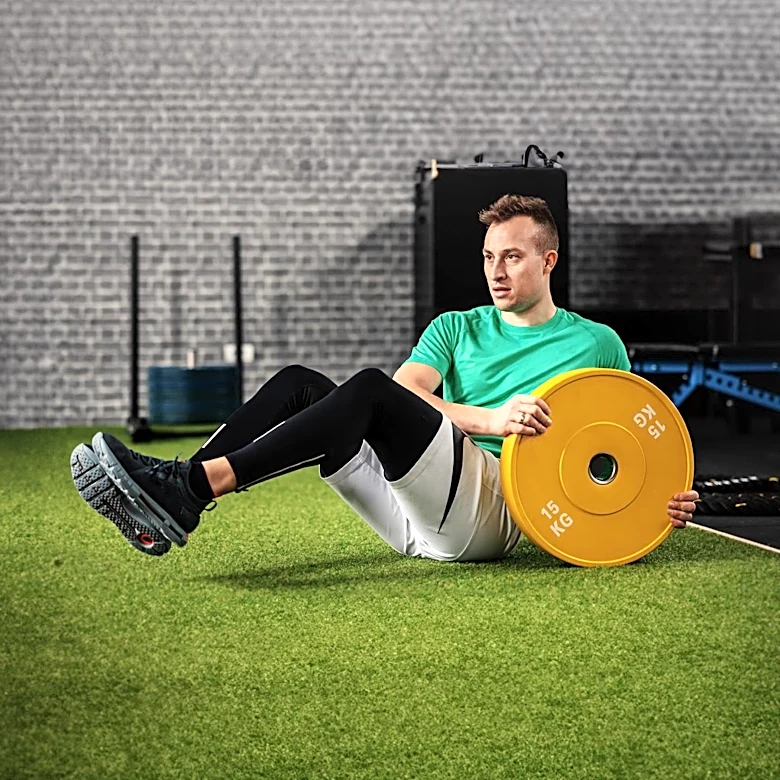
RunnersConnect has identified several common strength exercises, such as bicep curls, crunches, leg extensions, hamstring curls, and light calf raises, as largely ineffective for improving running performance. The organization explains that strength training
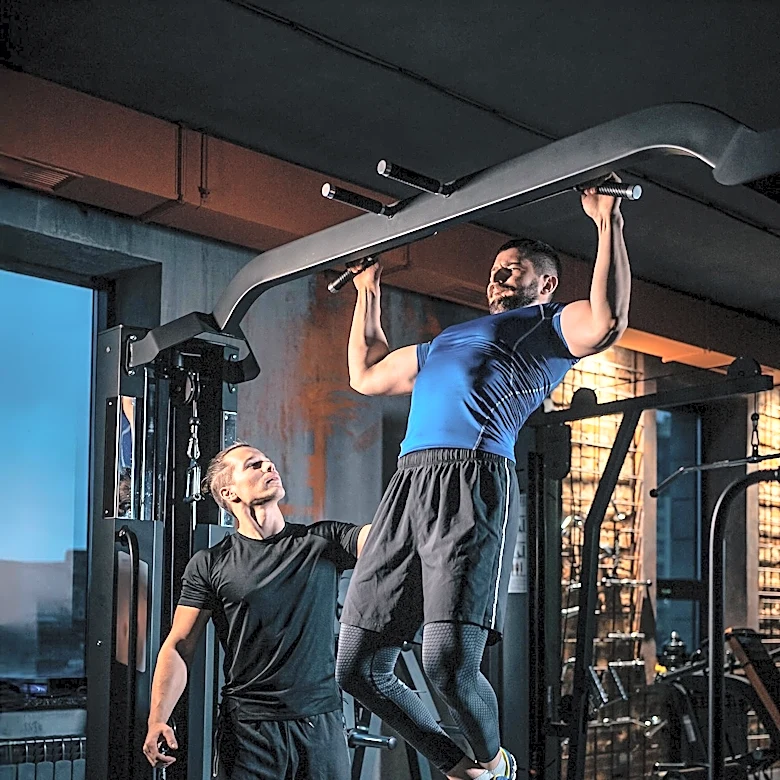
benefits runners most when it mimics the movements and loads experienced during running. Exercises like bicep curls do not engage the muscles in a way relevant to running, as the arms primarily swing as a reaction to leg movement. Crunches, which train spinal flexion, are also deemed ineffective because a runner's core's main role is to stabilize the torso. Leg extensions and hamstring curls work muscles in isolation rather than in the integrated, multi-joint fashion required for running. Instead, RunnersConnect advocates for exercises that load multiple joints simultaneously with heavy weight, mirroring the demands on hips, knees, and ankles during a running stride.
Why It's Important?
This information is crucial for U.S. runners, from recreational joggers to competitive athletes, as it can significantly optimize their training regimens. Many runners spend valuable time and effort on exercises that yield minimal transfer to their running performance, potentially leading to frustration or even neglecting more beneficial forms of strength training. By clarifying which exercises are ineffective and why, RunnersConnect helps runners allocate their training resources more efficiently, focusing on movements that directly enhance running economy, speed, and injury prevention. This shift towards functional, running-specific strength training can lead to better performance outcomes, reduced risk of common running injuries, and a more sustainable running career. For the broader fitness community, it underscores the principle of specificity in training, emphasizing that exercise selection should align with the specific demands of the target activity.
What's Next?
RunnersConnect recommends replacing ineffective exercises with functional alternatives that better mimic running mechanics. For instance, instead of bicep curls, runners should focus on leg work. Squats and Romanian deadlifts are suggested as replacements for leg extensions and hamstring curls, respectively, because they load the hips and knees together. For calf raises, the advice is to use heavy weights (6 to 12 repetitions) with dumbbells or machines, as bodyweight calf raises do not provide sufficient load compared to the forces absorbed during running. The organization cites a 2008 study where well-trained distance runners who added heavy half squats (4 sets of 4 reps, 3 times a week for 8 weeks) improved running economy by 5% and extended maximal aerobic speed by 21%. RunnersConnect also offers structured programs and guides for running-specific strength training.
Beyond the Headlines
The insights from RunnersConnect challenge the conventional wisdom often found in general fitness advice, highlighting the specialized needs of runners. This distinction between general strength and sport-specific strength is a critical concept that can be applied across various athletic disciplines. Ethically, it encourages coaches and trainers to adopt evidence-based practices tailored to their clients' specific goals, moving away from generic workout routines. Culturally, it could foster a more informed running community that prioritizes effective, functional training over aesthetically driven exercises. Long-term, this emphasis on specificity could lead to a reduction in running-related injuries, greater longevity in the sport, and a more sophisticated understanding of athletic development among both amateur and professional runners in the U.S. It also promotes a more holistic view of training, where strength work is seen as an integral, rather than supplementary, component of running performance.