





What's Happening?
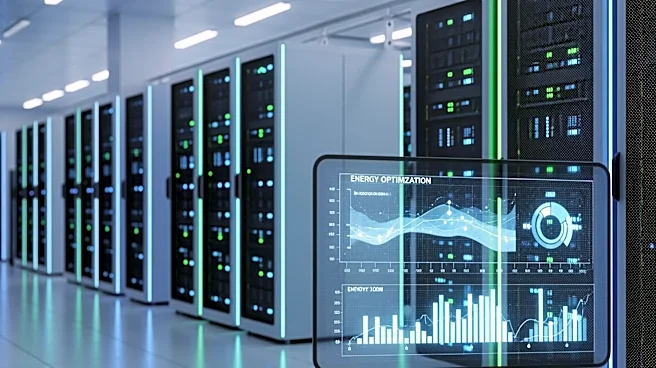
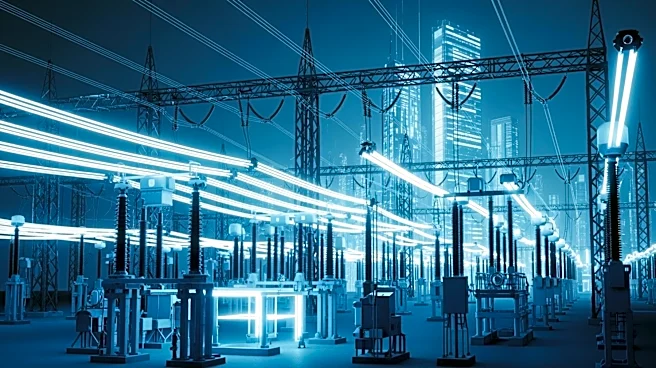
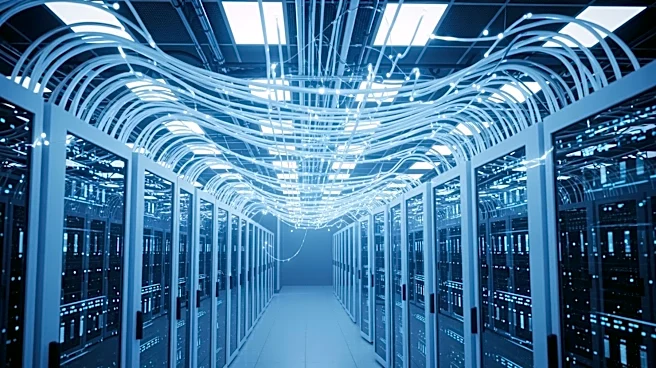
The demand for electricity by U.S. data centers is projected to more than double by 2030, increasing from approximately 167 terawatt-hours in 2023 to about 376 terawatt-hours by the end of the decade. This surge is driven by the growing needs of artificial
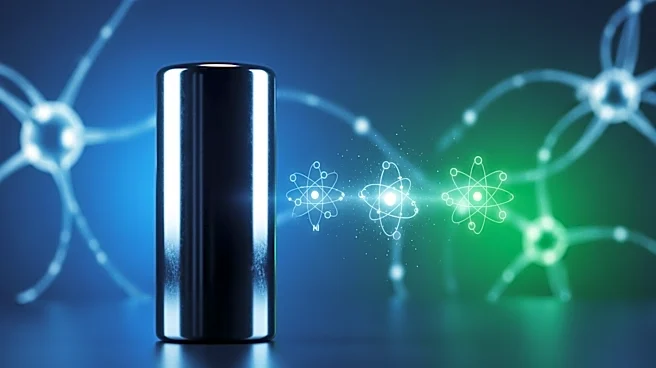
intelligence (AI) infrastructure, which is transforming power from a background cost into a significant constraint. As a result, battery storage is becoming an integral part of AI infrastructure, providing flexibility in power usage. Developers are planning to add 24 gigawatts of utility-scale battery storage by 2026, which is second only to solar in planned capacity additions, according to the U.S. Energy Information Administration. This development highlights the critical role of energy storage in supporting the AI industry's expansion.
Why It's Important?
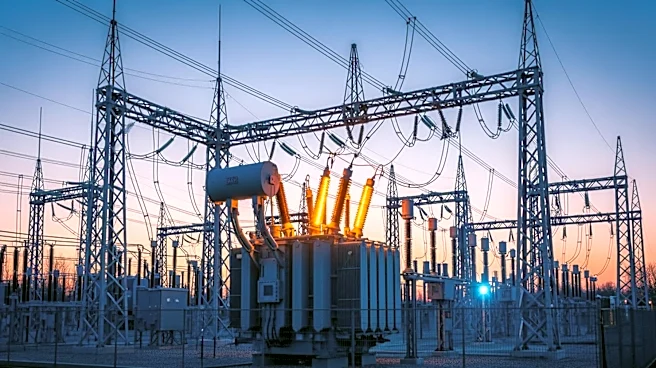
The increasing electricity demand from data centers underscores the broader implications for the U.S. energy sector and the AI industry. As AI applications expand, the need for reliable and flexible power sources becomes crucial. Battery storage offers a solution by acting as a buffer, ensuring consistent power supply during peak demand times. This shift not only impacts energy providers but also influences investment strategies, as stakeholders recognize the importance of integrating energy storage into AI infrastructure. The move towards more sustainable and reliable energy solutions could drive innovation and investment in the energy sector, potentially leading to advancements in battery technology and grid management.
What's Next?
As the demand for AI infrastructure continues to grow, further developments in energy storage technology and grid management are expected. Stakeholders, including energy companies and AI developers, may increase investments in battery storage solutions to meet the rising electricity needs. Additionally, policymakers might consider regulatory measures to support the integration of renewable energy sources and storage technologies into the national grid. These efforts could lead to a more resilient and efficient energy system, capable of supporting the expanding AI industry and its associated power demands.