
What's Happening?
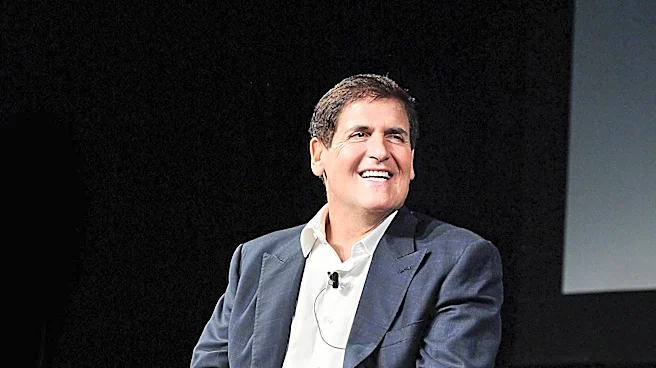
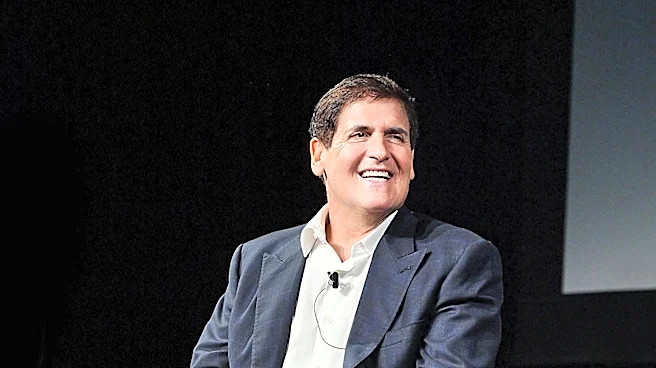
Larry Ellison, co-founder of Oracle, experienced a significant drop in his net worth, losing $10.9 billion as Oracle's stock continued to decline. This decrease caused him to fall out of the top 10 richest
billionaires globally. Oracle's shares fell approximately 7.5% to around $102, marking their lowest point since January 2024, and have slid 47% year-over-year. The company's stock had previously peaked at $345 in September 2025 due to high demand for AI computing power. However, investor concerns have grown over Oracle's substantial AI infrastructure spending, increasing debt, and negative free cash flow. As Ellison owns about 40% of Oracle, these financial shifts directly impact his personal wealth. Despite this recent loss, Ellison's net worth remains at $139 billion, placing him well above the threshold for America's wealthiest 0.1% of households.
Why It's Important?
This event highlights the volatility inherent in the fortunes of tech billionaires, whose wealth is largely tied to their company's stock performance. Oracle's stock decline reflects broader investor apprehension regarding the financial sustainability of aggressive AI infrastructure investments and the impact of mounting debt on corporate profitability. For the technology sector, this signals a period where market sentiment is scrutinizing growth strategies more closely, particularly those involving significant capital expenditure. The fluctuation in Ellison's wealth also underscores how quickly market perceptions can shift, even for established tech giants. This situation could influence other tech companies to re-evaluate their spending and debt management strategies, especially those heavily investing in AI, to maintain investor confidence and stock stability. The broader economic implications include potential shifts in investment patterns within the tech industry as investors become more cautious.
What's Next?
Oracle will likely face increased pressure to demonstrate a clear return on its AI infrastructure investments and to address concerns regarding its debt and free cash flow. The company's future stock performance will depend on its ability to reassure investors about its financial health and long-term growth strategy in the competitive cloud and AI markets. Analysts will closely watch Oracle's upcoming earnings reports for signs of improved financial metrics and strategic adjustments. Larry Ellison's ranking among the world's wealthiest individuals will continue to fluctuate with Oracle's stock performance. The broader tech industry may also see a ripple effect, with other companies potentially adjusting their investment strategies in AI and cloud computing to avoid similar investor concerns. The market will be looking for evidence that Oracle's substantial spending will translate into sustainable revenue and profit growth.
Beyond the Headlines
The dramatic swings in the fortunes of tech billionaires like Larry Ellison underscore a fundamental aspect of modern capitalism: the immense concentration of wealth tied to market valuations of technology companies. This volatility can create significant economic ripple effects, influencing investment trends, venture capital flows, and even broader economic sentiment. The narrative also touches upon the ongoing debate about the sustainability of rapid growth fueled by massive investments, particularly in emerging technologies like AI. While AI promises transformative potential, the market's reaction to Oracle's spending suggests a growing demand for tangible financial returns and responsible fiscal management. This situation could lead to a more conservative investment climate in the tech sector, where companies are increasingly judged not just on innovation, but also on their ability to translate that innovation into profitable and sustainable business models, potentially shifting the landscape for future tech startups and established giants alike.