



What's Happening?
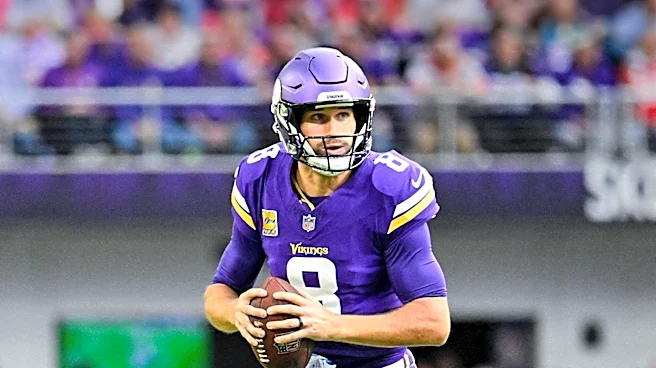
Minnesota Vikings quarterback J.J. McCarthy has garnered attention for his pre-game routine, which includes arriving at the field 2.5 hours early to engage in meditation and visualization practices. This approach highlights the growing trend of elite
athletes incorporating somatic tools and mindfulness into their preparation. While McCarthy's extensive pre-game ritual is notable, research suggests that even shorter durations of focused mindfulness, such as 5-10 minutes, can yield significant benefits for the brain and nervous system. Studies have shown that consistent practice, even in brief sessions, can reduce stress, improve attention, and prime the nervous system for optimal performance. The brain's ability to reorganize in real-time through meditation, breathwork, and guided imagery has been recognized for nearly two decades, with neuroscience supporting the efficacy of these practices.
Why It's Important?
The adoption of mindfulness techniques by high-profile athletes like J.J. McCarthy underscores a broader shift in understanding and optimizing human performance, particularly within the demanding environment of professional sports. This trend emphasizes the critical role of mental and emotional regulation alongside physical training. For U.S. sports, it signifies a move towards holistic athlete development, potentially influencing training methodologies across various disciplines. The integration of neuroscience-backed practices like meditation and visualization can lead to improved cognitive clarity, emotional steadiness, and enhanced performance under pressure. This approach could also inspire younger athletes and the general public to explore similar techniques for personal well-being and achievement, extending the impact beyond professional sports into broader societal health and productivity.
What's Next?
The increasing visibility of athletes like McCarthy employing mindfulness techniques is likely to further popularize these practices within professional sports and beyond. We can anticipate more sports organizations and teams investing in mental performance coaches and integrating mindfulness training into their programs. This could lead to a greater emphasis on the psychological aspects of athletic preparation, potentially influencing how talent is scouted, developed, and supported. Furthermore, the success stories of athletes using these methods may drive more research into the specific applications and benefits of mindfulness in high-pressure environments. This could also spark a wider public interest in accessible, short-duration mindfulness practices for stress reduction and cognitive enhancement in everyday life.
Beyond the Headlines
McCarthy's commitment to mindfulness points to a deeper cultural shift towards recognizing the interconnectedness of mental and physical health, particularly in high-stakes professions. This development challenges traditional notions of athletic training, which often prioritize physical conditioning above all else. The emphasis on 'training the nervous system' and 'practicing calm' highlights an evolving understanding of resilience and peak performance. Ethically, it raises questions about the accessibility of such advanced training methods and whether they will become standard for all athletes or remain a privilege. Culturally, it reinforces the idea that self-awareness and emotional intelligence are not just 'soft skills' but critical components of success, potentially influencing educational and corporate training programs to incorporate similar principles for overall human development.