







What's Happening?
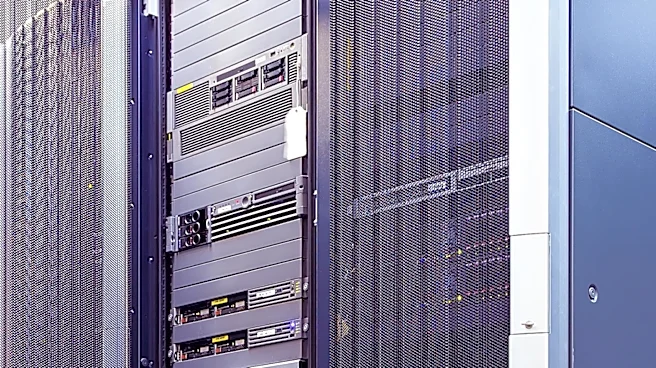
The ongoing expansion of AI data centers is exacerbating the global memory shortage, leading to increased prices for consumer electronics such as Apple products and Xbox consoles. This shortage is driven by the high demand from tech giants like Meta,
Google, and Amazon, who are competing with consumer electronics manufacturers for limited memory chip supplies. Memory suppliers are prioritizing production for these AI hyperscalers, further straining the availability for consumer electronics. Analysts predict that the share of memory capacity allocated to data centers will continue to grow, with significant price hikes expected in the coming years. Companies like Microsoft and Apple have already announced price increases for their products, citing the rising costs of memory as a major factor.
Why It's Important?
The intensifying memory shortage has significant implications for both consumers and the tech industry. As memory prices rise, consumers face higher costs for electronics, potentially reducing demand and impacting sales. For tech companies, the increased competition for memory chips could lead to tighter margins and strategic shifts in production priorities. The situation highlights the broader challenges of supply chain management in the face of rapid technological advancements and the growing demand for AI infrastructure. The ongoing shortage underscores the need for increased investment in memory production capacity to meet the rising demand and stabilize prices.
What's Next?
Efforts are underway to expand memory supply, but these initiatives will take time to materialize. In the short term, consumers can expect continued price increases for electronics, while tech companies may need to adjust their strategies to cope with the constrained supply. The industry may also see increased investment in memory production facilities to address the long-term demand. Additionally, the situation could prompt discussions on diversifying supply chains and exploring alternative technologies to mitigate future shortages.