



What's Happening?
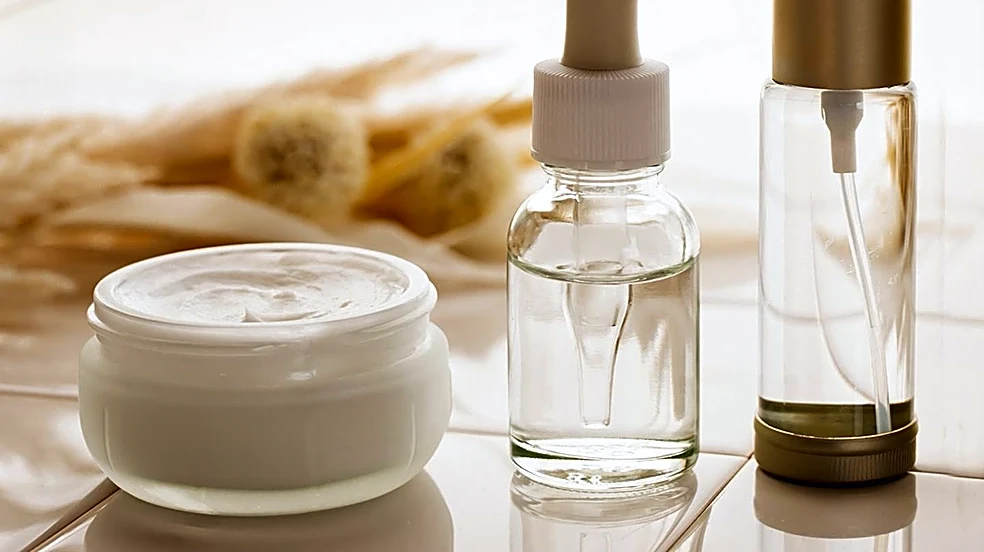
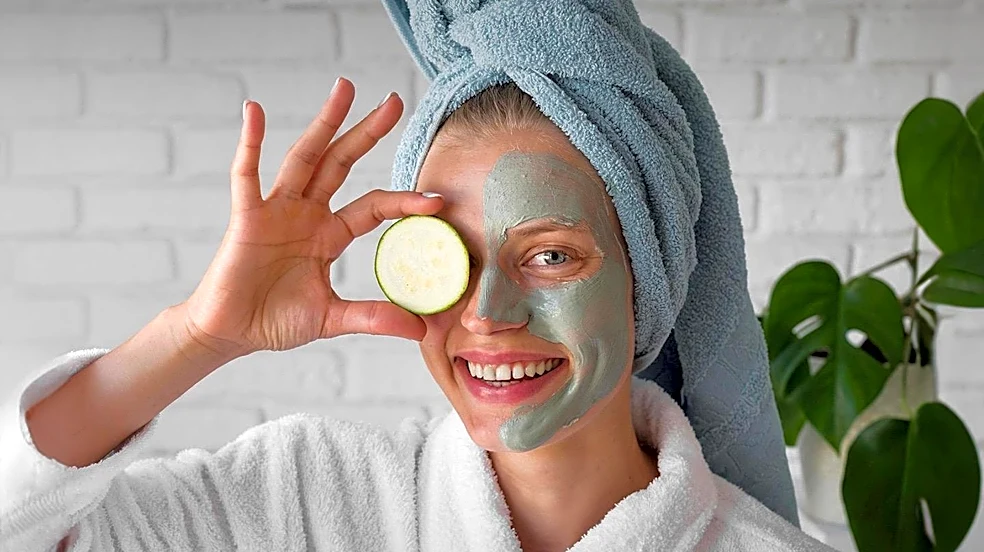
Home spa rituals are gaining prominence as a method for self-care, focusing on structured body care routines to promote relaxation and skin health. These rituals typically involve several steps, beginning with a warm bath or shower, followed by a gentle
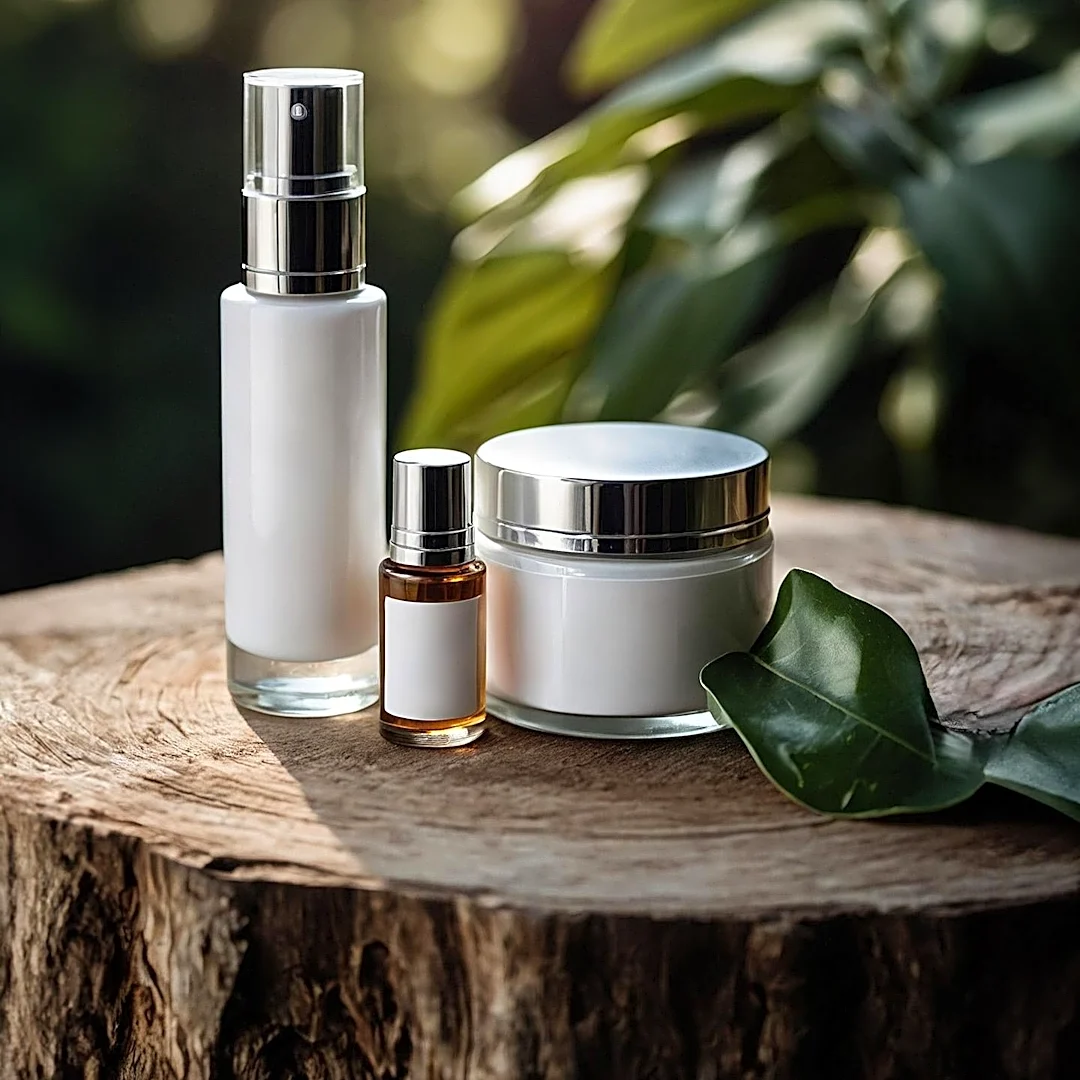
body cleanse. Exfoliation is often included as an intermediate step to refine skin texture and encourage circulation, though it is recommended to be done once or twice a week rather than daily. The ritual concludes with the application of a nourishing body butter or cream to seal in moisture and leave the skin feeling soft and supported. Products featuring ingredients like moringa seed oil, shea butter, and botanical oils are highlighted for their skin-softening and calming properties. The emphasis is on creating a mindful experience, encouraging individuals to slow down and engage with the process, transforming routine body care into a restorative practice.
Why It's Important?
The growing interest in home spa rituals reflects a broader societal trend towards prioritizing self-care and well-being, particularly in response to daily stressors. For individuals, these routines offer an accessible way to de-stress and improve skin health without the need for professional spa visits. This trend also has significant implications for the beauty and personal care industry, driving demand for specialized products such as shower oils, body scrubs, and rich body butters. Companies that can effectively market comprehensive body care lines designed for ritualistic use stand to gain market share. Furthermore, the focus on natural and botanical ingredients within these rituals aligns with consumer preferences for clean beauty, influencing product development and marketing strategies across the sector. The emphasis on a structured, multi-step approach also encourages consumers to purchase a wider range of products, boosting sales volumes.
What's Next?
The trend of home spa rituals is likely to continue evolving, with potential for further innovation in product formulations and self-care technologies. We can anticipate beauty brands introducing more sophisticated body care systems, possibly incorporating tools or devices designed to enhance the at-home spa experience, such as specialized massage tools or aromatherapy diffusers. There may also be an increased focus on personalized home spa routines, with products tailored to specific skin concerns or wellness goals. Educational content, such as online tutorials and guided ritual programs, will likely become more prevalent as brands seek to deepen consumer engagement and provide value beyond just product sales. Additionally, the integration of mental wellness aspects, such as mindfulness exercises or guided meditations, into these rituals could become a key differentiator for brands aiming to offer a holistic self-care experience.
Beyond the Headlines
Beyond the immediate benefits of relaxation and improved skin, the rise of home spa rituals points to a deeper cultural shift towards intentional self-nurturing. In a fast-paced world, these rituals offer a designated time and space for individuals to disconnect and focus on their physical and mental well-being. This practice can foster a greater sense of self-awareness and self-compassion, contributing to overall mental health. Ethically, the emphasis on natural ingredients and sustainable sourcing within the beauty industry may become more pronounced as consumers become more conscious about the products they use in their personal sanctuaries. Legally, as the market for these products expands, there may be increased scrutiny on product claims and ingredient transparency. Culturally, these rituals could evolve into a modern form of self-care tradition, passed down and adapted, reflecting changing societal values around health, beauty, and personal time.