



What's Happening?
The Strategist has provided four methods for organizing sentimental clutter, addressing common challenges such as an abundance of kid ceramics, musty childhood journals, unworn sentimental T-shirts, and various small collections. For kid ceramics, the
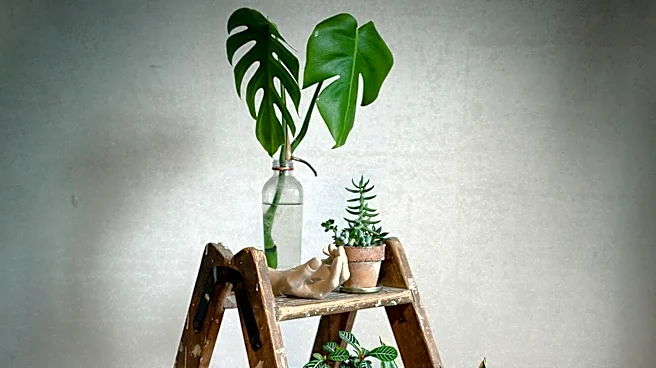
advice is to 'sprawl up, not out' by using display stands, tiered trays, or corner shelves to arrange items vertically and reclaim buffet space. To combat musty childhood journals, the recommendation is to use weathertight storage bins from The Container Store, which feature a foam seal to keep out air and moisture, along with clear labeling. For sentimental T-shirts, an archival box with a thick spine is suggested to create a 'T-shirt book' by folding shirts and attaching them with binder clips. Lastly, for diverse small collections, the concept of 'clutterboxes'—specialized containers like pewter, Bakelite, or trinket boxes—is proposed to give each tiny collection a dedicated home.
Why It's Important?
Organizing sentimental clutter is a significant challenge for many individuals, as these items hold emotional value and cannot be easily discarded. The solutions offered by The Strategist are important because they provide practical, actionable strategies that acknowledge the emotional attachment to these objects while still promoting order. By suggesting methods like vertical display for ceramics or archival storage for journals and T-shirts, the advice helps individuals preserve cherished memories without allowing them to overwhelm living spaces. This approach can alleviate the stress and guilt often associated with sentimental items, enabling people to maintain a functional and aesthetically pleasing home environment while honoring their personal history. The emphasis on safe and accessible storage ensures that these 'archive' items are protected for future enjoyment.
What's Next?
As more people seek ways to manage their sentimental belongings, there may be an increased demand for specialized storage solutions like archival boxes, weathertight bins, and decorative 'clutterboxes.' Retailers and home organization brands might expand their product lines to cater specifically to these needs, offering more aesthetically pleasing and functional options for sentimental items. Professional organizers may also incorporate these strategies into their services, providing tailored advice for clients struggling with emotionally charged clutter. Furthermore, the discussion around sentimental clutter could evolve to include digital archiving solutions for items like old photos and letters, reflecting a broader trend in preserving memories in both physical and digital formats.
Beyond the Headlines
The challenge of organizing sentimental clutter extends beyond mere tidiness; it touches upon psychological and emotional well-being. The inability to part with certain items often stems from a deep connection to personal history, identity, and relationships. The Strategist's advice implicitly acknowledges this by suggesting preservation and display rather than outright disposal. This approach highlights the therapeutic aspect of organizing, where creating a designated, respectful space for cherished objects can bring a sense of peace and closure. It also underscores the evolving nature of 'clutter' in modern society, where material possessions often carry significant non-monetary value. The solutions offered encourage a mindful approach to possessions, fostering a balance between honoring the past and living functionally in the present, thereby contributing to overall mental and emotional health.