






What's Happening?
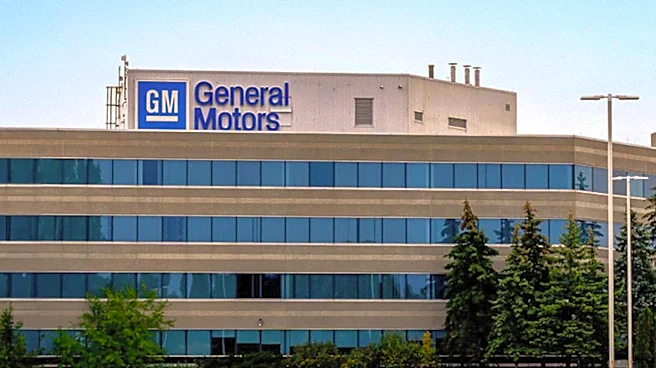
General Motors (GM) has initiated two separate recalls affecting more than 80,000 vehicles. The first recall targets over 67,000 Cadillac and Blazer vehicles, including Cadillac Celestiqs (2025-26), Cadillac Lyriqs (2023-27), Cadillac Vistiqs (2026-27),
and Chevrolet Blazer EVs (2024-27). This recall addresses a software defect in the brake system control module that could lead to a temporary loss of braking under specific driving conditions, such as light braking at low speeds during a sharp turn over a bump. As of October 29, GM reported 20 minor accidents and two alleged minor injuries linked to this issue. The second recall impacts over 12,000 Chevrolet Express and GMC Savana vehicles from the 2025-26 model years due to a potentially loose steering gear assembly nut. GM has not received reports of crashes or injuries related to the steering nut issue, estimating that only 1% of the recalled vehicles might have this defect. Owners of vehicles affected by the braking software issue may receive over-the-air (OTA) software updates if their vehicles are capable and they have accepted the terms and conditions; otherwise, all affected owners can have repairs performed at a GM dealership. For the steering nut recall, dealers will inspect and replace the steering gear assembly if necessary.
Why It's Important?
These recalls are significant for General Motors as they directly impact vehicle safety and consumer trust. The braking system defect, which has already been linked to minor accidents and injuries, poses a direct risk to drivers and passengers, potentially leading to more severe incidents if not addressed promptly. Such safety concerns can damage GM's brand reputation, particularly for newer electric vehicle models like the Cadillac Lyriq and Chevrolet Blazer EV, which are crucial to the company's future strategy. The recalls also highlight the increasing complexity of modern vehicle systems, where software glitches can have critical safety implications. For consumers, these recalls mean potential inconvenience and concern, but also the assurance that safety issues are being identified and addressed. The ability to deliver over-the-air updates for some vehicles demonstrates a modern approach to recalls, potentially reducing the burden on owners and dealerships, but also underscores the reliance on technology for critical safety functions. The financial implications for GM include the costs associated with repairs, potential legal liabilities, and the broader impact on sales and market perception.
What's Next?
General Motors will proceed with notifying affected vehicle owners about the recalls. For the braking software issue, owners of compatible vehicles who have opted in will receive over-the-air software updates to rectify the defect. All other owners, including those with vehicles not capable of OTA updates or who prefer dealership service, will be instructed to visit a GM dealer for the necessary software update. For the steering gear assembly nut recall, dealers will inspect the steering gear serial number and replace the assembly if it is identified as defective. GM will continue to monitor for any further incidents related to these issues and will likely face scrutiny from regulatory bodies like the National Highway Traffic Safety Administration (NHTSA) regarding the effectiveness and timeliness of the recall process. The company will also need to manage public perception and reassure customers about the safety and reliability of its vehicles, especially given the involvement of newer EV models in the braking recall.
Beyond the Headlines
These recalls underscore a broader trend in the automotive industry where software and complex electronic systems play an increasingly critical role in vehicle operation and safety. The braking software defect highlights the challenges of integrating advanced technology, where subtle interactions between software and mechanical components can lead to unexpected safety risks. The use of over-the-air updates for some vehicles represents a significant shift in how recalls can be managed, potentially making the process more efficient and less disruptive for consumers. However, it also raises questions about cybersecurity and the reliability of remote updates for critical safety functions. Beyond the immediate safety concerns, these incidents could influence future regulatory standards for software validation in vehicles and push manufacturers to implement more rigorous testing protocols. The recalls also serve as a reminder of the ongoing importance of traditional mechanical inspections, as evidenced by the loose steering nut issue, indicating that even with advanced technology, fundamental manufacturing quality control remains paramount.