








What's Happening?
A recent study published in the British Journal of Sports Medicine emphasizes the significance of resistance training in combating age-related muscle loss, known as sarcopenia. The study, which followed 147,000 individuals over 30 years, found that those
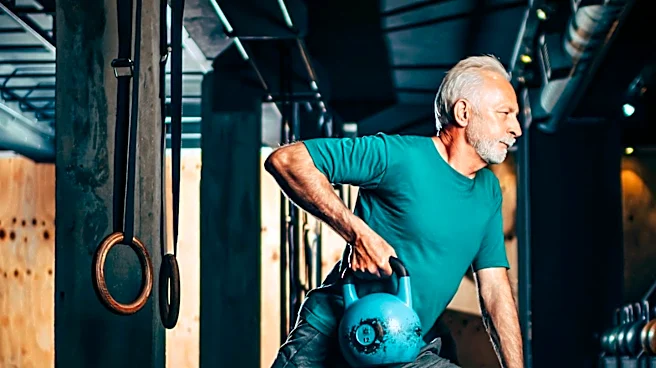
who engaged in both aerobic and resistance exercises had a 45% lower all-cause mortality rate compared to those who did neither. The research suggests that while protein is necessary for muscle maintenance, it is not sufficient on its own to prevent muscle loss. Resistance training, which involves exercises that force muscles to adapt and grow stronger, is crucial. The study recommends two sessions of resistance training per week, combined with regular aerobic activity, to maximize health benefits.
Why It's Important?
The findings of this study have significant implications for public health, particularly for older adults who are at risk of sarcopenia. As muscle loss can lead to increased risks of falls, fractures, and loss of independence, incorporating resistance training into regular exercise routines could improve quality of life and reduce healthcare costs associated with age-related injuries. The study challenges the common perception that protein supplements alone can prevent muscle loss, highlighting the need for a more comprehensive approach to fitness and nutrition in aging populations.
What's Next?
The study's recommendations may influence fitness and health guidelines, encouraging more older adults to incorporate resistance training into their routines. Healthcare providers might also begin to emphasize the importance of exercise over dietary supplements for muscle maintenance. Further research could explore the most effective types of resistance exercises and how they can be tailored to individual needs, particularly for those with existing health conditions.