








What's Happening?
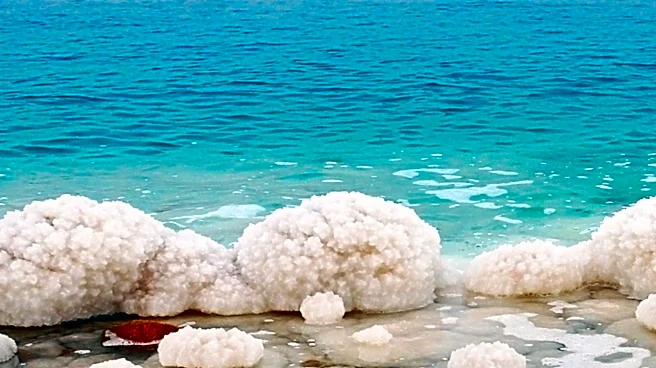
Research indicates that the unique atmospheric conditions at the Dead Sea, specifically its lower elevation and consequently higher atmospheric pressure, can lead to improved oxygenation for individuals with certain chronic lung diseases. Studies, though
often small in scale, have shown that patients with advanced lung diseases, chronic obstructive pulmonary disease (COPD), and cystic fibrosis experienced enhanced oxygen levels and physical performance during stays at the Dead Sea. For instance, a 1994 study observed an increase in arterial partial pressure of oxygen and improved oxygenation during sleep for oxygen-dependent patients. Similarly, individuals with COPD showed increased walking distance. However, these studies consistently note that while oxygenation and exercise capacity may improve, baseline lung function measurements (spirometry) generally remain unchanged. The benefit is attributed to the increased partial pressure of inhaled oxygen due to the lower altitude, rather than any magical properties of the air or inhaled minerals.
Why It's Important?
This information is crucial for individuals in the U.S. and globally who suffer from chronic respiratory conditions. While the Dead Sea is not a cure, understanding its potential to temporarily improve oxygenation and physical capacity can inform travel decisions and management strategies for these patients. It highlights the importance of environmental factors in managing chronic illnesses and underscores that such benefits are primarily due to atmospheric pressure rather than specific mineral content in the air. For healthcare providers, it emphasizes the need for careful patient counseling regarding travel to high-altitude versus low-altitude destinations, especially for those with compromised respiratory function. It also cautions against self-medication or altering prescribed treatments based on anecdotal evidence or incomplete understanding of the Dead Sea's effects.
What's Next?
For individuals considering travel to the Dead Sea for respiratory benefits, it is imperative to consult with a qualified pulmonologist or travel medicine physician before making any non-refundable bookings. The Centers for Disease Control and Prevention (CDC) Yellow Book for 2026 recommends pre-travel consultations for individuals with chronic illnesses. Patients should plan for all aspects of their trip, including oxygen and medication management, and ensure access to appropriate medical care. It is crucial not to reduce or stop prescribed oxygen, inhalers, or other treatments without direct medical supervision. Future research could focus on larger, controlled studies to further quantify the long-term benefits and identify specific patient populations who might benefit most from such environmental interventions, as well as exploring the mechanisms in greater detail.
Beyond the Headlines
The allure of natural remedies and unique environments for health benefits often leads to misconceptions. This case highlights the distinction between a beneficial environmental factor and a curative treatment. While the Dead Sea's low altitude offers a physiological advantage for oxygen uptake, it does not fundamentally alter lung pathology. This distinction is vital in preventing patients from abandoning proven medical therapies in favor of unproven or incomplete solutions. The studies also implicitly raise questions about accessibility and equity, as travel to such a specific location may not be feasible for all patients. Furthermore, the ongoing environmental challenges facing the Dead Sea, such as shrinking water levels, could impact its unique atmospheric conditions in the long term, potentially altering its therapeutic effects.