









What's Happening?
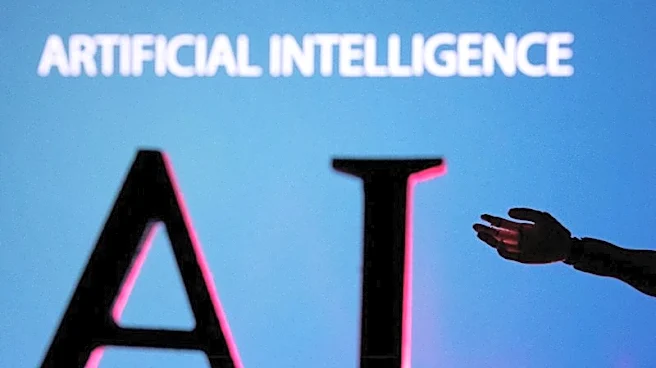
The AI industry's efforts to cooperate on safety standards are raising antitrust questions. While cooperation among AI companies on model evaluations, testing protocols, and technical standards can enhance safety and transparency, it also poses potential
risks to competition. Antitrust lawyers are concerned that such cooperation could suppress independent decision-making and disproportionately affect smaller companies and startups. The debate centers on whether the cooperation is genuinely tied to safety objectives or if it inadvertently favors larger incumbents by imposing compliance costs that are more burdensome for new entrants.
Why It's Important?
The tension between safety cooperation and competition in the AI industry has significant implications for market dynamics. If safety standards are perceived as gatekeeping mechanisms, they could stifle innovation and limit the entry of new players into the market. This could lead to a concentration of power among a few large companies, reducing competition and potentially hindering technological advancement. The situation underscores the need for careful consideration of how safety standards are developed and implemented to ensure they do not inadvertently create barriers to entry or favor certain market participants.
What's Next?
As the AI industry continues to evolve, regulators and industry stakeholders will need to navigate the complex interplay between safety and competition. This may involve developing guidelines that balance the need for safety with the promotion of a competitive market. Antitrust challenges could arise if safety cooperation is perceived as limiting competition, prompting legal scrutiny and potential regulatory intervention. The outcome of these discussions will shape the future landscape of the AI industry, influencing how companies collaborate on safety while maintaining a level playing field.