





What's Happening?
Howard Schultz has served as CEO of Starbucks on three separate occasions, playing a pivotal role in transforming the company from a coffee bean retailer into a global coffeehouse chain. His first tenure as CEO was from 1987 to 2000, during which he acquired
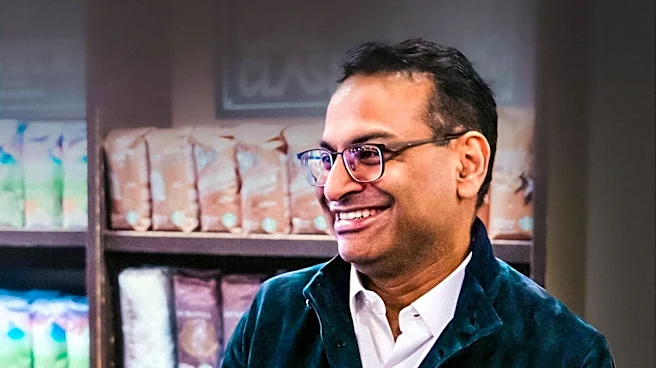
the Starbucks brand from its founders and expanded its presence to over 3,000 outlets worldwide. He returned as CEO in 2008 amidst the financial crisis, implementing significant changes including closing 900 unprofitable stores and laying off 18,000 employees, which led to a substantial increase in the company's value. By the end of his second term in 2016, Starbucks had grown to over 25,000 outlets globally. His third stint as CEO was an interim capacity in 2022 for a year, after which he was replaced by Laxman Narasimhan. Schultz remains involved with Starbucks as its chairman emeritus.
Why It's Important?
Schultz's repeated leadership at Starbucks highlights the significant impact a single executive can have on a company's trajectory and market position. His strategic decisions, particularly during his second term, demonstrated a willingness to make difficult choices—such as store closures and layoffs—to ensure the company's financial health and long-term growth. This approach, while sometimes controversial, was ultimately favored by investors, leading to a substantial increase in Starbucks' market value. His vision for offering espresso-based drinks to-go, initially met with resistance, ultimately defined the modern Starbucks experience and set a precedent for the coffee industry. His story also illustrates the concept of 'boomerang CEOs' who return to lead companies they previously headed, often to address specific challenges or guide significant transformations.
What's Next?
While Howard Schultz is no longer the CEO, his continued involvement as chairman emeritus suggests he may still exert influence on Starbucks' strategic direction, albeit in a different capacity. The company, now under Laxman Narasimhan's leadership, will likely continue to navigate the competitive global coffee market. The legacy of Schultz's expansion and operational restructuring will continue to shape Starbucks' business model and growth strategies. Future developments will likely focus on how the company adapts to evolving consumer preferences, manages its vast global footprint, and maintains its brand identity in a dynamic market, building upon the foundation Schultz established.
Beyond the Headlines
Schultz's journey with Starbucks extends beyond mere business success; it represents a significant cultural shift in how coffee is consumed globally. His insistence on creating a 'third place' between home and work, where people could gather and enjoy coffee, transformed Starbucks into a social institution. This vision not only propelled Starbucks' growth but also influenced urban development and consumer habits worldwide. The ethical implications of rapid expansion, including the impact on local coffee cultures and small businesses, are also part of his legacy. His leadership style, characterized by both bold vision and decisive action, offers a case study in corporate leadership and the complexities of managing a global brand.