




What's Happening?
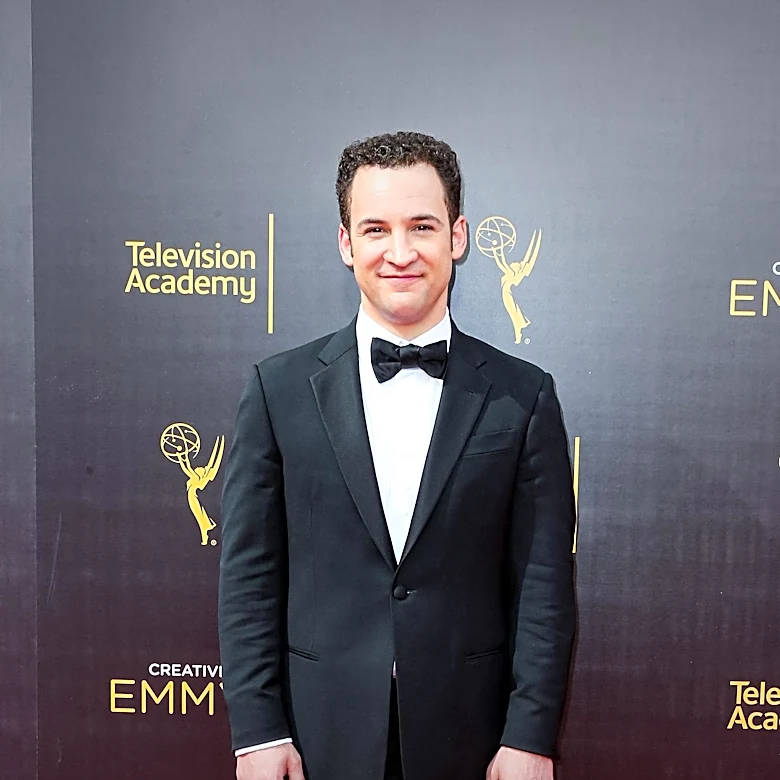
Actor Matthew Lillard has publicly expressed shame and embarrassment for his decision to return to the 'Scream' franchise for its seventh installment, following the firing of co-star Melissa Barrera. Barrera was dismissed in 2023 by Spyglass Media Group,
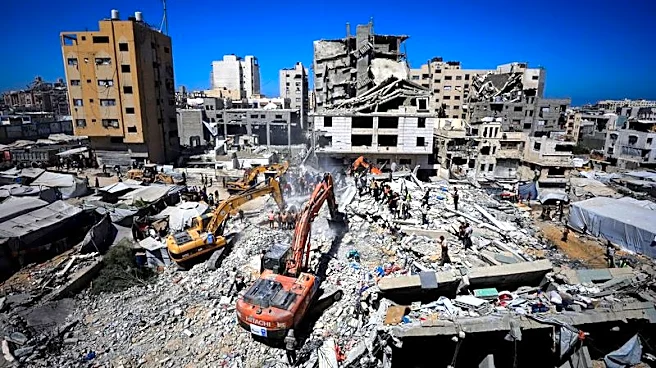
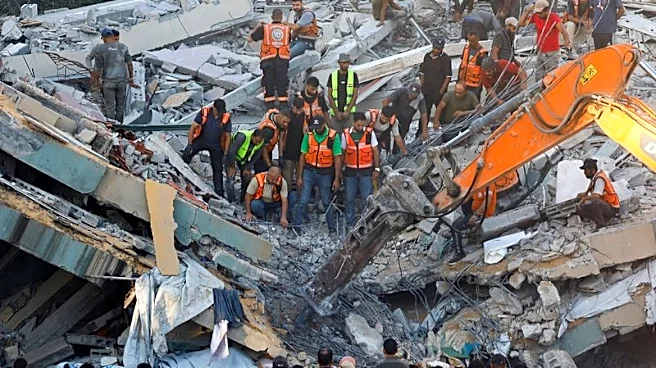
the production company behind the film, due to social media posts she shared regarding the Israel-Gaza conflict. Her posts reportedly included references to Israel as a 'colonized' land and accusations of 'genocide and ethnic cleansing,' along with claims that 'Western media only shows the (Israeli) side.' Lillard, speaking at a 30th-anniversary screening for the original 'Scream,' stated he was 'on the wrong side of history' by not declining to participate in the film after Barrera's departure. He acknowledged that he was excited to return but did not adequately consider Barrera's situation at the time.
Why It's Important?
This event highlights the increasing pressure on public figures in the U.S. entertainment industry to navigate complex geopolitical issues, particularly the Israel-Gaza conflict, and the potential career repercussions of expressing strong opinions. Barrera's firing and Lillard's subsequent regret underscore the delicate balance actors and production companies must strike between freedom of speech and corporate policies on 'antisemitism or the incitement of hate.' The situation also reflects a broader societal debate about censorship, cancel culture, and the role of celebrities in political discourse. It demonstrates how personal stances on international conflicts can directly impact professional opportunities and relationships within the U.S. film industry, potentially leading to self-censorship or public apologies from those who feel they have made a misstep.
What's Next?
The controversy surrounding Barrera's firing and Lillard's comments may continue to fuel discussions within Hollywood and among the public regarding the boundaries of free expression for actors and other public figures. It could lead to increased scrutiny of social media policies for talent and production companies, potentially influencing future casting decisions or contractual clauses related to public statements. The incident might also encourage other actors to either be more cautious about their public political commentary or, conversely, to take more vocal stances in solidarity with colleagues who face similar consequences. The 'Scream' franchise itself may face ongoing public relations challenges as it moves forward without Barrera, with some fans potentially boycotting the film in support of the ousted actress.
Beyond the Headlines
The situation delves into the deeper implications of corporate responsibility and ethical considerations in the entertainment sector. It raises questions about whether production companies should prioritize financial interests and public image over the free speech rights of their employees, especially when dealing with highly sensitive political topics. The incident also reflects a growing trend where artists and public figures are expected to align with certain political or social narratives, and deviation can lead to professional ostracization. This dynamic can stifle diverse viewpoints and create an environment where fear of reprisal overshadows genuine expression, potentially impacting the creative integrity and authenticity of artistic works. It also highlights the power of social media in amplifying both support and condemnation, making it a critical battleground for public opinion and career trajectories.