

What's Happening?
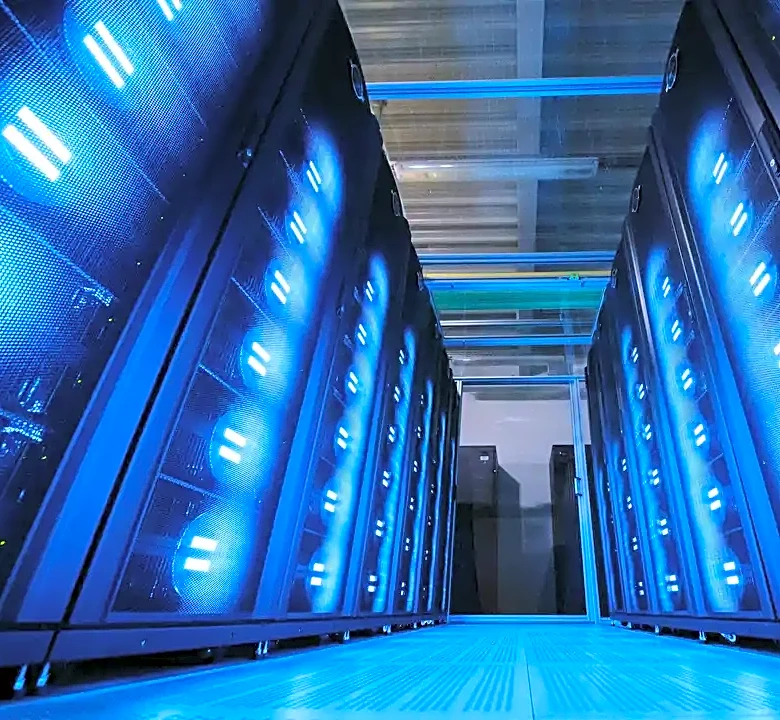
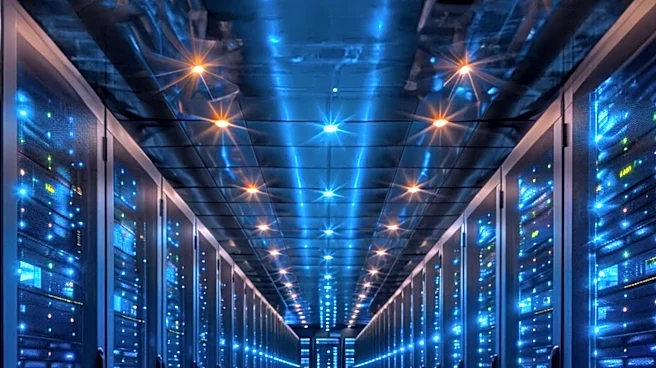
Vertiv Holdings Co. (NYSE: VRT), a global leader in critical digital infrastructure, has expanded its portfolio of 800 VDC systems to support the escalating power demands of Artificial Intelligence (AI) data centers. The company's new offerings extend
from the rack level to the compute pod and data hall, building upon the May 2026 introduction of the Vertiv™ PowerDirect 5000 Power Rack. As AI workloads intensify, data center operators are exploring 800 VDC as a solution for higher-density computing environments. Vertiv acknowledges that both AC and DC architectures will likely coexist, emphasizing the need for flexible power conversion, distribution, and deployment. The company's comprehensive 800 VDC portfolio aims to provide operators with the flexibility to integrate 800 VDC at various points in the power train, aligning with specific facility requirements without mandating a complete data center overhaul. Vertiv is showcasing its 800 VDC portfolio at the SC26 International Conference for High-Performance Computing, Networking, Storage, and Analysis.
Why It's Important?
The advancement of 800 VDC power architectures by Vertiv is critical for the U.S. technology sector, particularly for the burgeoning AI industry. As AI workloads demand increasingly higher power densities, traditional AC power infrastructure faces limitations in efficiency and scalability. The adoption of 800 VDC systems can significantly improve power delivery efficiency, reduce energy losses, and enable more compact data center designs, which are crucial for supporting the massive computational requirements of AI. This development is vital for U.S. businesses and research institutions investing heavily in AI, as it directly impacts their operational costs, performance, and ability to scale. Vertiv's flexible approach, allowing for integration at different levels, helps mitigate the risk and cost of transitioning to new power architectures, making advanced AI infrastructure more accessible. The success of these power solutions will directly influence the pace of AI innovation and deployment across various U.S. industries, from healthcare to finance, by providing the necessary robust and efficient power backbone.
What's Next?
Vertiv is actively engaged in pilot programs, technical validation activities, and collaborative development initiatives with customers to tailor its 800 VDC solutions to specific deployment needs. The company will continue to showcase its portfolio at industry events like SC26, fostering discussions and engagement on next steps with potential clients. The future will likely see further refinement and expansion of Vertiv's 800 VDC offerings, focusing on enhancing efficiency, reliability, and safety features. As AI technology evolves, there will be an ongoing need for power solutions that can adapt to increasing demands and diverse data center configurations. Vertiv's strategy of providing architectural optionality—at the rack, compute pod, or data hall level—will be crucial in meeting the varied requirements of hyperscalers, colocation providers, and enterprises. The company will also focus on developing comprehensive support services for these advanced DC environments, including specialized training and maintenance protocols, to ensure seamless integration and operation.
Beyond the Headlines
The shift towards 800 VDC power architectures in data centers, driven by AI, has profound implications beyond immediate operational efficiencies. Ethically, the immense energy consumption of AI raises concerns about its environmental footprint. More efficient power delivery systems like 800 VDC can help mitigate this impact, but the sheer scale of AI growth necessitates a broader discussion on sustainable computing. Legally, the implementation of higher voltage DC systems in data centers will require updated safety standards and regulations to protect personnel and equipment, potentially leading to new industry certifications and compliance requirements. Culturally, the increasing reliance on AI, powered by these advanced infrastructures, will further embed AI into daily life, raising questions about data privacy, algorithmic bias, and the societal impact of intelligent systems. The long-term shift points towards a future where data centers are not just power consumers but also active participants in grid management, potentially integrating with renewable energy sources and contributing to a more resilient and sustainable energy ecosystem.