



What's Happening?
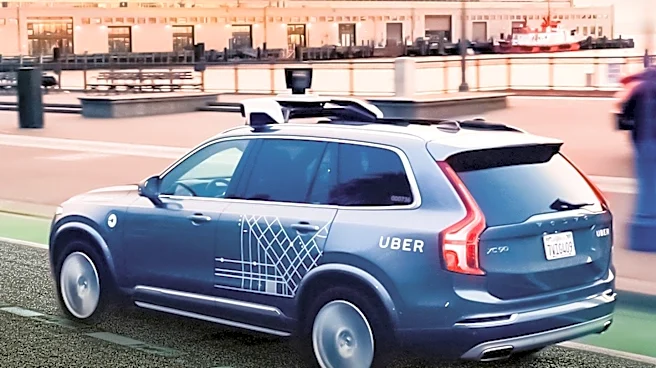
Uber, under the leadership of CEO Dara Khosrowshahi, is positioning itself as a crucial aggregator of mobility demand, particularly in the evolving landscape of autonomous vehicle (AV) fleets. The company is currently generating $10 billion in free cash
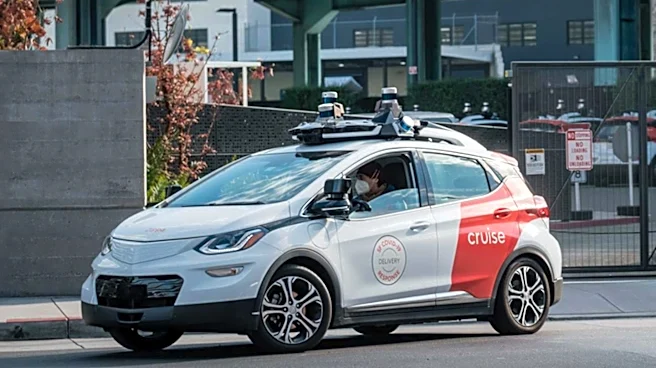
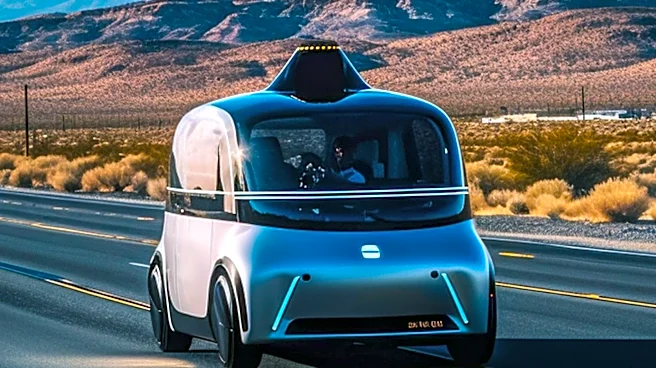
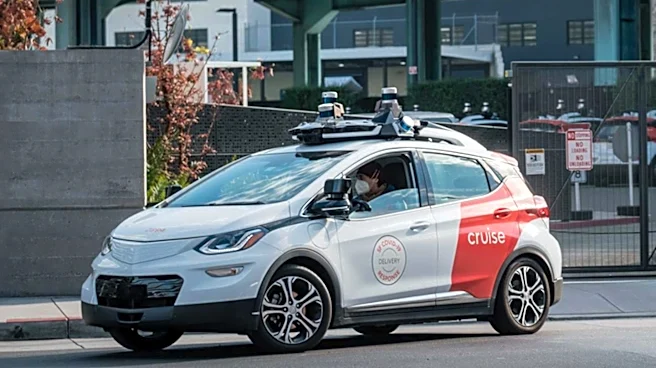
flow and is projected to achieve 13% revenue growth and a 13% net margin by 2031. A central aspect of Uber's strategy is the belief that autonomous fleets will require a platform like Uber to aggregate demand, allowing fleet owners to leverage Uber's network of 215 million monthly users rather than operating independently. This approach aims to ensure Uber earns a fee on every robotaxi mile. The success of this strategy hinges on Uber's ability to secure partnerships with AV developers faster than these developers can establish their own direct demand channels. The market currently prices Uber with a 55% discount to its fair value, reflecting the perceived risk that a dominant robotaxi operator might choose to operate independently.
Why It's Important?
This strategic direction is significant for the U.S. transportation industry and the broader technology sector. Uber's success in integrating autonomous fleets could redefine urban mobility, potentially leading to more efficient and cost-effective transportation options. For AV developers, partnering with Uber offers immediate access to a vast customer base, accelerating the adoption and profitability of their autonomous services. Conversely, if a major AV player opts to build its own demand platform, it could fragment the market and challenge Uber's dominant position, impacting its revenue streams and market valuation. The outcome will influence investment in autonomous technology, regulatory frameworks for self-driving cars, and the competitive landscape of ride-sharing and logistics services across the U.S. The emphasis on demand aggregation highlights a critical battleground for control over future mobility services.
What's Next?
The immediate future for Uber involves actively pursuing partnerships with autonomous vehicle companies. The company's ability to secure these collaborations will be a key indicator of its success in becoming the primary aggregator for robotaxi services. Investors and industry observers will be closely watching for announcements of new AV partnerships and the terms of these agreements. The market's current valuation of Uber reflects a cautious outlook, suggesting that the company needs to demonstrate tangible progress in integrating AVs and proving the viability of its demand aggregation model. The potential for a major AV partner to launch an exclusive, off-platform service remains a significant risk that could alter Uber's trajectory and necessitate adjustments to its long-term strategy.
Beyond the Headlines
Beyond the immediate financial and operational implications, Uber's strategy raises broader questions about the future of work and the nature of transportation. The transition to autonomous fleets, facilitated by platforms like Uber, could significantly impact the gig economy and the livelihoods of human drivers. Ethical considerations surrounding job displacement, the safety of autonomous vehicles, and data privacy will become increasingly prominent. Furthermore, the concentration of mobility demand through a single aggregator like Uber could lead to discussions about market power, antitrust concerns, and the potential for monopolistic practices in the autonomous transportation sector. The long-term societal impact of widespread robotaxi adoption, including changes in urban planning and personal vehicle ownership, will also be a critical area of focus.