





What's Happening?
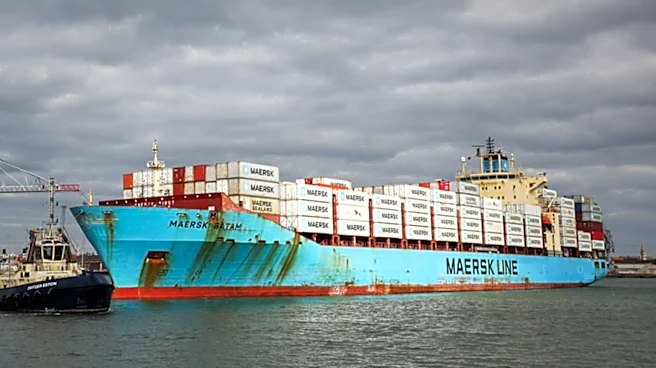
Maersk has announced the implementation of a temporary “Emergency Inland Fuel/Energy Surcharge” for all inland shipments across the Nordic region. This surcharge, effective November 11th, 2026, is a direct response to a significant increase in fuel costs
caused by blockages in fuel supply from the Middle East. The affected countries include Denmark, Norway, Sweden, Finland, Latvia, Estonia, and Lithuania. The percentage of the surcharge varies by country, with Estonia facing the highest at 23% and Norway and Lithuania the lowest at 4%. Maersk states that the situation is highly volatile and the surcharge percentages will be updated weekly as conditions evolve. Currently, electric truck (EV) and rail solutions are not impacted by this surcharge, but the company will continue to monitor the situation closely.
Why It's Important?
This emergency surcharge highlights the fragility of global supply chains and the immediate impact geopolitical events can have on international commerce and regional economies. For businesses operating in or with the Nordic region, this will translate into increased shipping costs, potentially affecting pricing strategies, profit margins, and overall competitiveness. Consumers in these countries may also experience higher prices for goods as companies pass on these increased logistical expenses. The exemption of EV and rail solutions from the surcharge could accelerate the adoption of more sustainable transportation methods in the long term, as companies seek to mitigate fuel-related cost volatility. This situation underscores the need for diversified energy sources and resilient supply chain strategies to buffer against such disruptions.
What's Next?
The emergency inland fuel/energy surcharge will remain in effect until further notice, with weekly adjustments to the percentage rates based on the evolving fuel supply situation in the Middle East. Businesses in the affected Nordic countries will need to continuously monitor these updates and adjust their logistics and pricing accordingly. Maersk will continue to assess the impact on EV and rail solutions, which could potentially be affected if the situation escalates or persists. Stakeholders in the shipping and logistics sectors will be closely watching for any resolutions to the Middle East fuel supply blockages, as well as potential ripple effects on other regions or modes of transport. Companies may also explore alternative shipping routes or modes to circumvent the increased costs.
Beyond the Headlines
This development points to a broader vulnerability in global energy markets and the interconnectedness of international trade. Beyond the immediate financial implications, such surcharges can influence long-term strategic decisions for businesses, encouraging greater investment in energy-efficient logistics and alternative fuels. It also underscores the geopolitical risks associated with reliance on specific regions for critical resources like fuel. The situation could prompt governments and industries to re-evaluate energy security policies and accelerate transitions to renewable energy sources to reduce susceptibility to such external shocks. Furthermore, it highlights the potential for increased regionalization of supply chains as companies seek to reduce transit distances and reliance on volatile international shipping lanes.