

What's Happening?
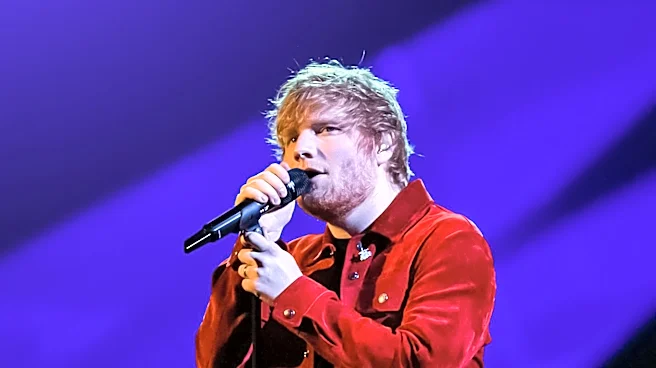
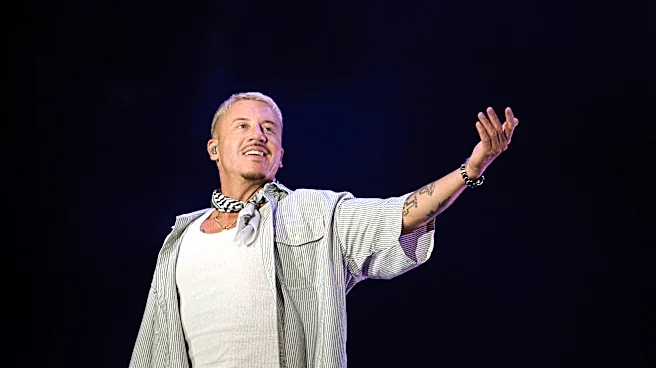
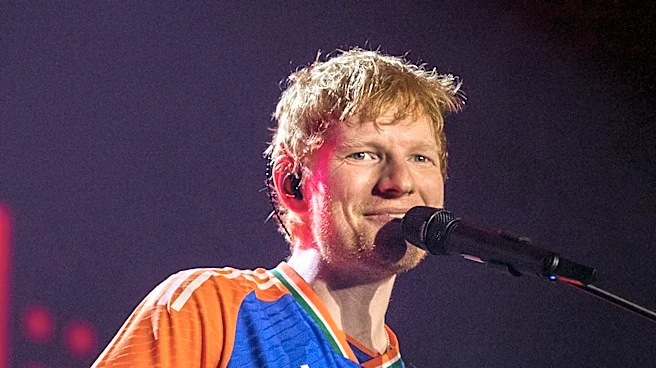
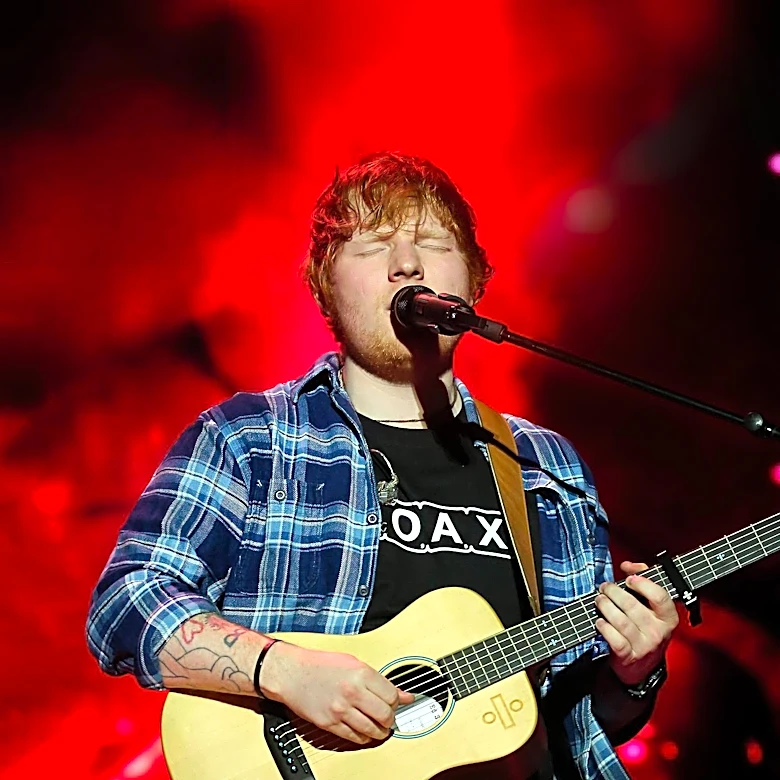
The Israeli-American Council (IAC) has urged pop star Ed Sheeran to remove rapper Macklemore from his U.S. tour. This call comes after Macklemore chanted 'Free Palestine' and accused Israel of apartheid and genocide during his opening performances at
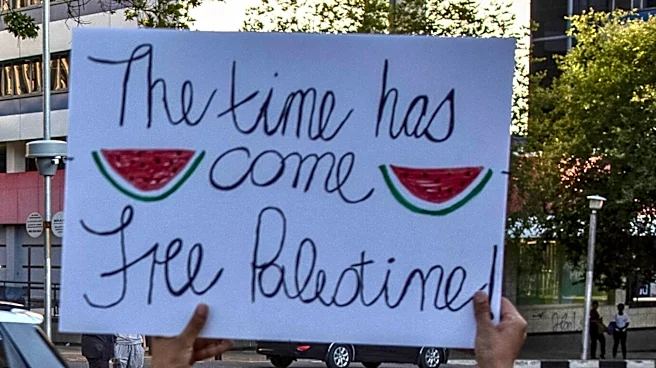
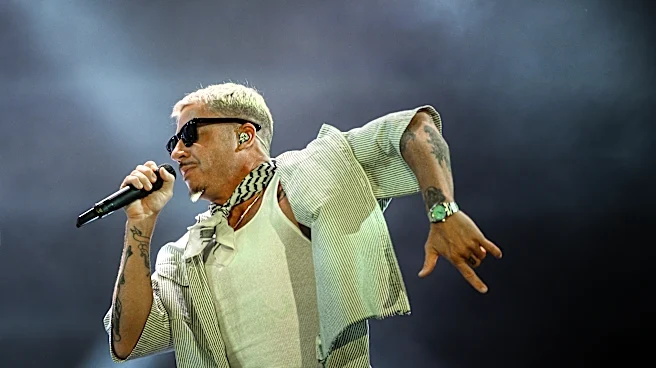
MetLife Stadium in New Jersey on Friday and Saturday nights. Macklemore dedicated his 2024 song, 'Hind’s Hall,' to the 'bravery of Columbia University students' and the 'encampment movement,' referencing the occupation of Hamilton Hall by pro-Palestinian protesters. He stated his desire for the words 'Free Palestine' to be heard loudly, ensuring people from Gaza to the occupied West Bank know they are supported. The IAC has initiated a petition demanding Macklemore's removal from the remaining nine tour dates, cautioning Ed Sheeran against allowing his stage to be used for 'one-sided political propaganda.' Macklemore directly addressed the Jewish community during his performances, asserting that criticism of Israel, apartheid, or being against genocide is not a criticism of them, and that his message is for peace, love, dignity, respect, and equality for all human beings. Macklemore has been vocal against Israel's conduct in the war in Gaza since October 2023 and was among the first 55 performers to sign the Artists4CeaseFire open letter advocating for a permanent ceasefire, hostage release, and aid delivery to Gaza civilians.
Why It's Important?
This incident highlights the increasing intersection of celebrity platforms and geopolitical conflicts, particularly the Israeli-Palestinian conflict, within the U.S. entertainment landscape. The call for Macklemore's removal by the Israeli-American Council underscores the significant pressure that advocacy groups can exert on artists and concert promoters. It also reflects the deep divisions within American society regarding the conflict, where public figures' stances can lead to immediate and strong reactions from various communities. For the entertainment industry, this situation presents a challenge in balancing artistic expression with potential political backlash and audience alienation. The involvement of a prominent artist like Ed Sheeran, even indirectly, draws wider attention to the issue, potentially influencing public opinion and consumer behavior. The controversy also brings to the forefront the debate over freedom of speech versus the responsibility of artists to avoid perceived hate speech or divisive rhetoric, especially when performing for a broad audience. The financial implications for tours and artists could be substantial if such calls for removal gain traction, affecting ticket sales, sponsorships, and future engagements.
What's Next?
The immediate next steps will likely involve monitoring the response from Ed Sheeran, his management, and the concert promoters AEG and the Messina Group regarding the IAC's petition and demands. Their decision will determine whether Macklemore continues on the tour or is removed, which could set a precedent for how similar situations are handled in the future. Public reaction, both from supporters and detractors of Macklemore's statements, will continue to unfold on social media and in traditional media outlets, potentially influencing the tour's remaining dates. Advocacy groups on both sides of the Israeli-Palestinian conflict may intensify their campaigns, either in support of Macklemore's right to free speech or in condemnation of his remarks. This event could also prompt other artists and public figures to reconsider their public stances on sensitive geopolitical issues, weighing the potential for controversy against their desire for activism. The broader conversation about the role of artists in political discourse and the boundaries of acceptable expression in public forums is expected to continue.
Beyond the Headlines
This controversy delves into the complex ethical and cultural dimensions of artistic freedom and social responsibility in a highly polarized world. It raises questions about the extent to which artists should use their platforms for political advocacy, especially on issues with deep emotional and historical roots. The incident also reflects a broader trend where cultural events, such as concerts, become arenas for political expression and protest, blurring the lines between entertainment and activism. The use of terms like 'apartheid' and 'genocide' by Macklemore, while defended by him as criticism of a state and not a people, is highly contentious and can be perceived differently by various communities, leading to accusations of antisemitism or anti-Palestinian bias. This highlights the challenge of nuanced discourse in public forums and the potential for misinterpretation or deliberate mischaracterization of statements. The incident also underscores the power of organized advocacy groups to mobilize public opinion and exert pressure on commercial entities, demonstrating the evolving landscape of activism in the digital age.