





What's Happening?
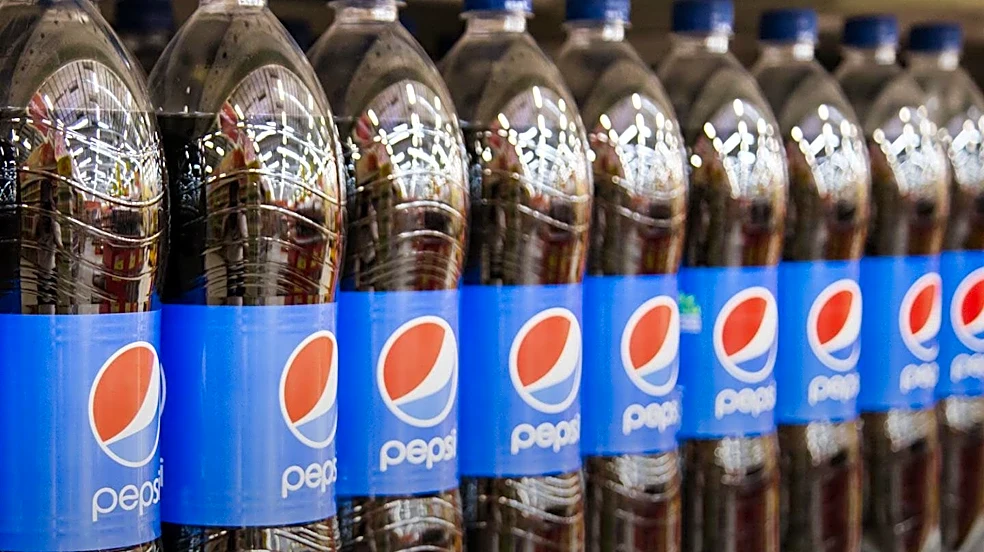
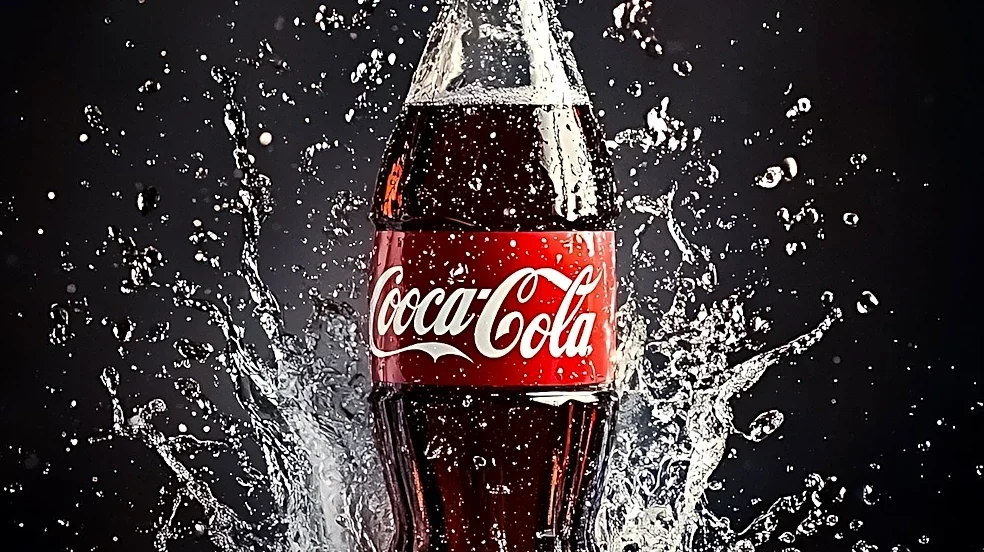
KFC, the fried-chicken chain with approximately 4,000 U.S. locations, has announced a significant change in its beverage supplier. Starting in January, KFC will transition from serving PepsiCo products to offering Coca-Cola beverages in its U.S. restaurants,
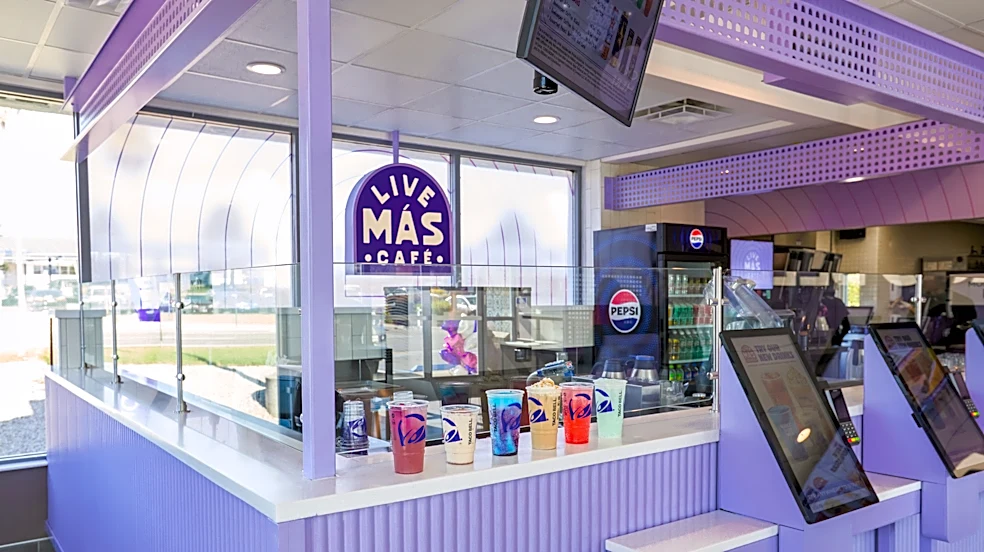
with the full rollout expected by spring 2027. This move marks the end of a nearly four-decade partnership between KFC and PepsiCo in the U.S. While KFC's U.S. operations will switch to Coca-Cola, its international locations will continue to serve PepsiCo drinks. This decision comes as PepsiCo's CEO, Ramon Laguarta, recently expressed dissatisfaction with the company's beverage business performance, noting a 2% drop in North American sales and plans to invest more in soda brands to drive growth. KFC, Pizza Hut, and Taco Bell were originally spun off from PepsiCo in 1997 to form Yum Brands. Pizza Hut and Taco Bell currently still serve PepsiCo products.
Why It's Important?
This shift is a notable development in the competitive U.S. beverage market and represents a significant blow to PepsiCo, which has been facing challenges with declining soda sales, rising costs, and investor pressure. Losing a major partner like KFC, with its extensive U.S. footprint, could further impact PepsiCo's market share and revenue in its beverage division. For Coca-Cola, securing KFC's U.S. business is a substantial win, expanding its presence in the fast-food sector and potentially strengthening its lead in the U.S. soda market, where it is already the most popular brand. The move also highlights Yum Brands' strategy to revitalize KFC in the U.S. market, with beverage offerings potentially playing a role in that effort. The financial details of the agreement have not been disclosed, but such large-scale transitions often involve considerable financial implications for both the beverage suppliers and the restaurant chain.
What's Next?
KFC's U.S. restaurants will begin the transition to Coca-Cola beverages in January, with the full implementation anticipated by spring 2027. This period will involve logistical changes for KFC's U.S. franchisees, including updating beverage dispensing equipment and inventory. PepsiCo will likely continue its efforts to bolster its beverage business, potentially through increased marketing, product innovation, and securing new partnerships to offset the loss of KFC. The impact on Yum Brands' relationship with PepsiCo, particularly concerning Pizza Hut and Taco Bell which still serve PepsiCo products, remains to be seen. Industry observers will be watching to see if this change influences other major fast-food chains' beverage contracts or if it prompts further strategic shifts within the beverage industry.
Beyond the Headlines
This change reflects broader trends in the U.S. beverage and fast-food industries, including intense competition between Coca-Cola and PepsiCo for market dominance and evolving consumer preferences. The decision by KFC to switch suppliers after nearly four decades suggests a strategic re-evaluation of partnerships and potential benefits, such as improved terms or a better alignment with current brand strategies. It also underscores the importance of beverage contracts for both restaurant chains and beverage companies, as these agreements can significantly impact revenue, brand visibility, and customer experience. The move could also signal a more aggressive push by Coca-Cola to capture market share in the quick-service restaurant segment, potentially leading to increased competition and strategic maneuvers from both major beverage giants in the coming years.