





What's Happening?
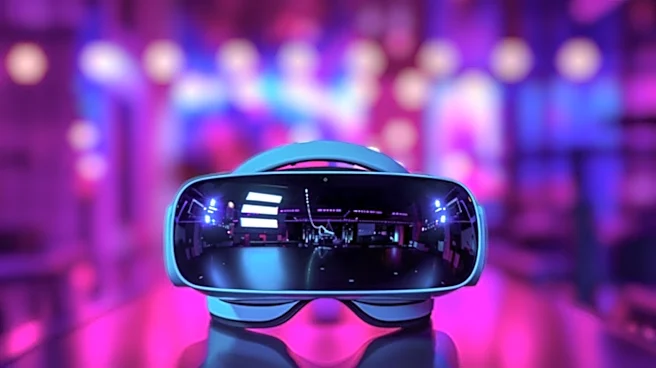
Augmented reality (AR) fitting rooms are revolutionizing the retail industry by allowing customers to virtually try on clothes, reducing the uncertainty of online shopping. Major brands like Gucci, Tommy Hilfiger, Walmart, and Amazon are integrating AR technology
to improve customer engagement. These virtual fitting rooms use AI-driven body simulation to project apparel onto a customer's body or avatar, enhancing the shopping experience by providing a realistic preview of how clothes will fit. This technology is not only being used online but also in physical stores, where smart mirrors and RFID tags transform traditional fitting rooms into interactive spaces. These innovations aim to streamline the shopping process and reduce return rates, which are a significant cost factor in retail.
Why It's Important?
The adoption of AR fitting rooms is significant for the retail industry as it addresses the high return rates associated with online shopping. By providing a more accurate representation of how clothes will fit, retailers can reduce the number of returns, thereby saving costs and improving customer satisfaction. This technology also enhances the shopping experience, making it more interactive and engaging, which can lead to increased sales and customer loyalty. As more retailers adopt AR technology, it could become a standard feature in both online and physical stores, setting new expectations for the shopping experience.
What's Next?
As AR technology continues to evolve, we can expect further integration into the retail sector. Retailers may expand the use of AR beyond clothing to other product categories, such as furniture and home goods, where visualizing products in a real-world context can aid purchasing decisions. Additionally, advancements in AI and machine learning could lead to even more personalized shopping experiences, with AR fitting rooms offering tailored recommendations based on individual preferences and past purchases. The continued development of AR technology will likely drive further innovation in retail, potentially transforming how consumers shop.