




What's Happening?
False rumors regarding the death of WWE icon John Cena have been circulating widely across social media platforms since late 2023. These claims, fueled by doctored documents, fake obituaries, and out-of-context statements, have caused significant concern
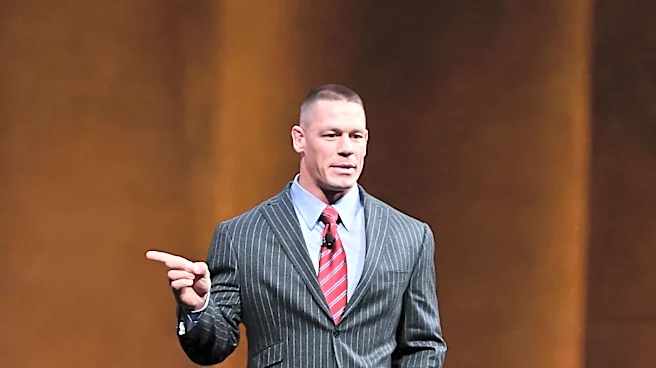
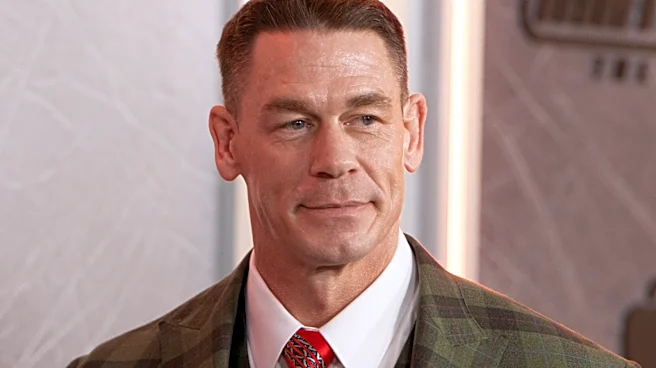
among fans. Despite the viral spread of this misinformation, verifiable evidence confirms that John Cena is alive and actively participating in public life. He celebrated his 48th birthday on April 23, 2024, and has made numerous WWE appearances, engaged in charity events, and maintained brand partnerships. A statement released by Cena in 2024 via WWE.com indicated a personal respite for 'family, recovery, and peace,' which was misinterpreted by some as a sign of withdrawal or passing, but sources close to the star confirm it was for personal rest, not retirement or death. There have been no official announcements from WWE, medical disclosures, or credible reports to support the death claims.
Why It's Important?
The rapid dissemination of false information about a public figure like John Cena highlights a critical issue in the digital age: the unchecked spread of unverified content. Cena's significant cultural footprint and his image as a symbol of perseverance make him a frequent target of speculation, and fan emotional investment often leads to the quick adoption of rumors. This phenomenon underscores how social media algorithms can amplify outrage and shock value, creating a self-sustaining cycle of panic that often bypasses factual verification. The incident serves as a stark reminder of the challenges in distinguishing truth from fiction online and the responsibility of both platforms and users to prioritize credible sources. The emotional impact on fans, who view figures like Cena as 'family,' further demonstrates the power of misinformation to cause distress and confusion.
What's Next?
Combating the spread of such myths will require continued vigilance from fans, journalists, and media platforms. The emphasis will remain on prioritizing credible sources, such as official WWE communications, verified medical disclosures, cross-referenced video and timeline evidence, and direct statements from John Cena himself. As Cena continues his involvement in WWE programming, community outreach, and brand projects, his ongoing public presence will serve as the most direct refutation of the death rumors. The incident may also prompt further discussions within media and technology sectors about strategies to mitigate the impact of viral misinformation and promote responsible sharing practices to prevent similar falsehoods from gaining traction in the future.
Beyond the Headlines
This situation delves into the deeper implications of modern stardom and the blurred lines between actual presence and public perception in the digital era. The 'mythos' surrounding figures like John Cena, built on resilience and public service, makes them particularly susceptible to emotional narratives, even when facts contradict them. The incident reveals how cultural nostalgia and the desire to connect with 'heroic' figures can override logical assessment, leading to the acceptance of false narratives. It also highlights the ethical responsibility of media platforms to moderate content and the need for digital literacy among users to critically evaluate information. The enduring power of rumor, even in the face of clear evidence, suggests a broader societal challenge in maintaining a fact-based discourse amidst the emotional and algorithmic pressures of online environments.