






What's Happening?
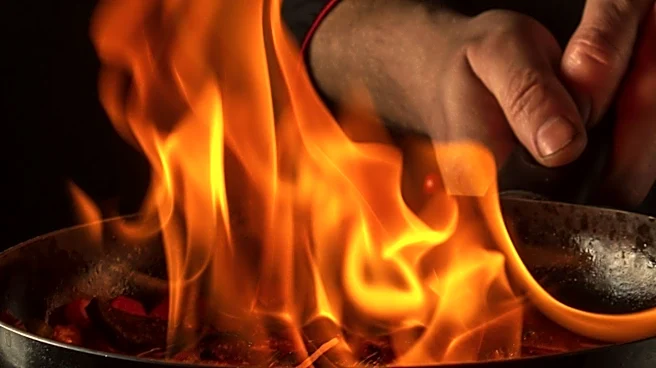
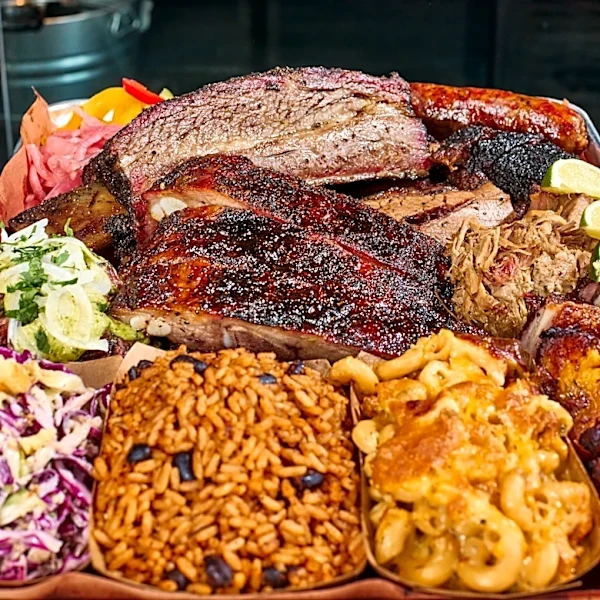
Live-fire cooking has become the hottest restaurant trend of 2026, particularly for preparing steak, according to insights from Curtis Stone, owner and head chef at Michelin-starred restaurant Gwen in Los Angeles. This ancient cooking method is gaining
modern appeal in the culinary world, with establishments like Asador Extebarri, a Basque live-fire restaurant, being named the best restaurant in the world by The 50 for its grill-centric menu. Stone attributes the craze to the significant scent, visual appeal, and flavor imparted by live fire, as well as a romanticism that harks back to humanity's historical connection with fire as a source of light, warmth, and comfort. While live fire offers extreme heat beneficial for achieving a good Maillard reaction and caramelizing steak, it also presents challenges, such as the risk of overcooking. Stone advises resting steak for five minutes between searing to slow down the cooking process and prevent bitterness by avoiding direct flame contact.
Why It's Important?
This trend signifies a return to fundamental cooking techniques, emphasizing natural flavors and a primal connection to food preparation. For the U.S. restaurant industry, it represents a significant shift in culinary focus, potentially influencing menu development, kitchen design, and chef training. Restaurants adopting live-fire cooking can differentiate themselves in a competitive market by offering unique sensory experiences and distinct flavor profiles. This could lead to increased demand for specialized equipment and ingredients suitable for open-flame cooking. The trend also highlights a growing consumer appreciation for authenticity and traditional methods in food, moving away from overly processed or technologically advanced cooking. It creates opportunities for chefs to showcase their skills in mastering a challenging yet rewarding technique, potentially elevating the status of live-fire cooking as a high art form in gastronomy.
What's Next?
The popularity of live-fire cooking is expected to continue growing, with more restaurants likely to incorporate this technique into their offerings. Beyond steak, chefs will explore cooking other proteins and vegetables over live flames, utilizing tools like wire baskets for delicate items such as fish and mesh baskets for skinny vegetables. Stone suggests wrapping cabbage and nestling it into coals or cooking peppers directly over the fire for optimal charring. This expansion will likely lead to further innovation in live-fire cooking methods and equipment. The trend may also influence home cooking, with an increased interest in outdoor kitchens and specialized grills. Culinary schools might begin to place a greater emphasis on live-fire techniques in their curricula to prepare future chefs for this evolving demand. The romantic and sensory appeal of live-fire cooking suggests it could become a lasting fixture in the culinary landscape.
Beyond the Headlines
The resurgence of live-fire cooking taps into a deeper human fascination with fire and its transformative power over food. It's not just about taste; it's about the experience—the aroma, the visual spectacle, and the primal connection to a fundamental element. This trend could be interpreted as a counter-movement to the increasing digitalization and industrialization of food production, offering a more artisanal and hands-on approach. Ethically, sourcing sustainable wood and managing smoke emissions will become important considerations for restaurants embracing this method. Culturally, it reinforces the idea of food as an experience, a performance, and a communal activity, drawing people together around the warmth and spectacle of the flame. The emphasis on skill and precision in live-fire cooking also elevates the role of the chef as a craftsman, capable of harnessing a powerful natural force to create exceptional dishes.