



What's Happening?
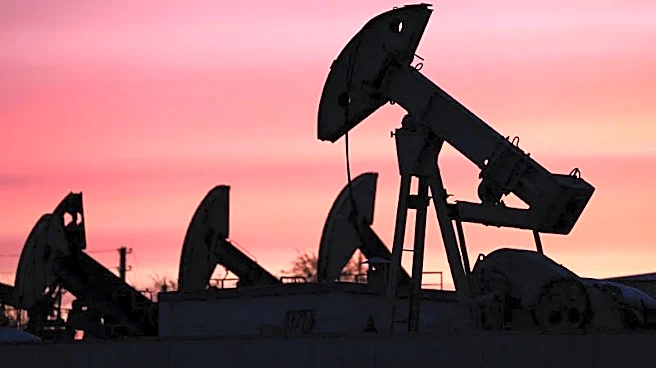
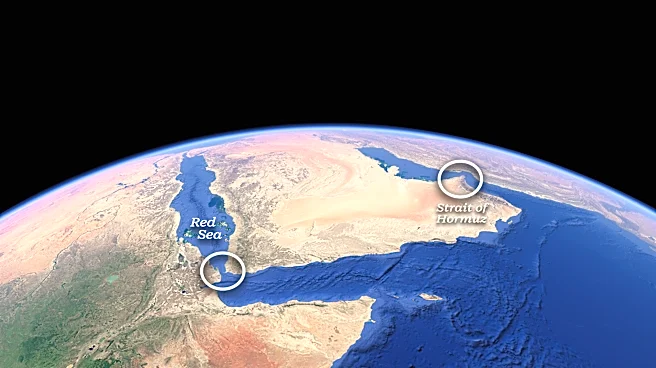
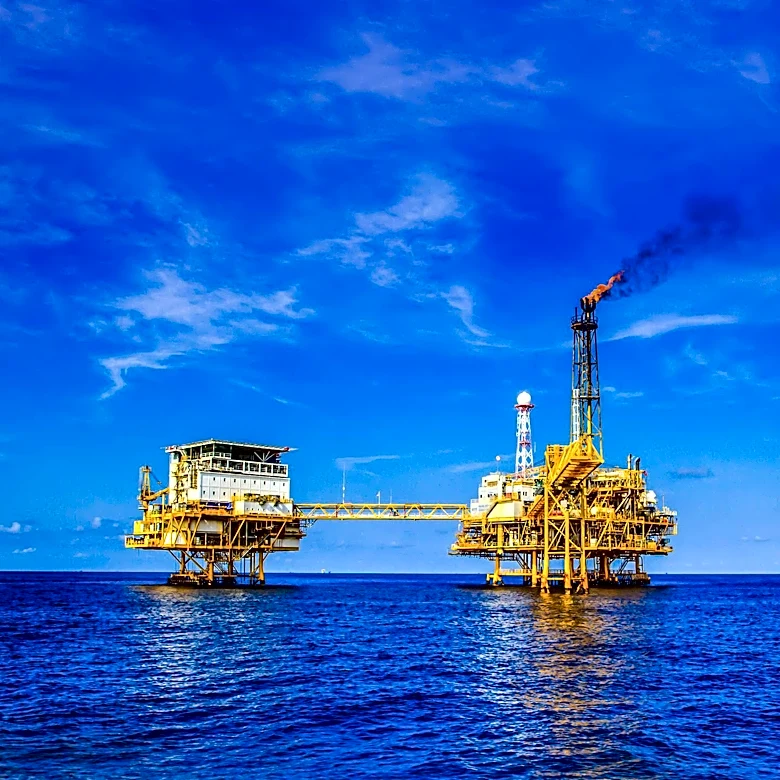
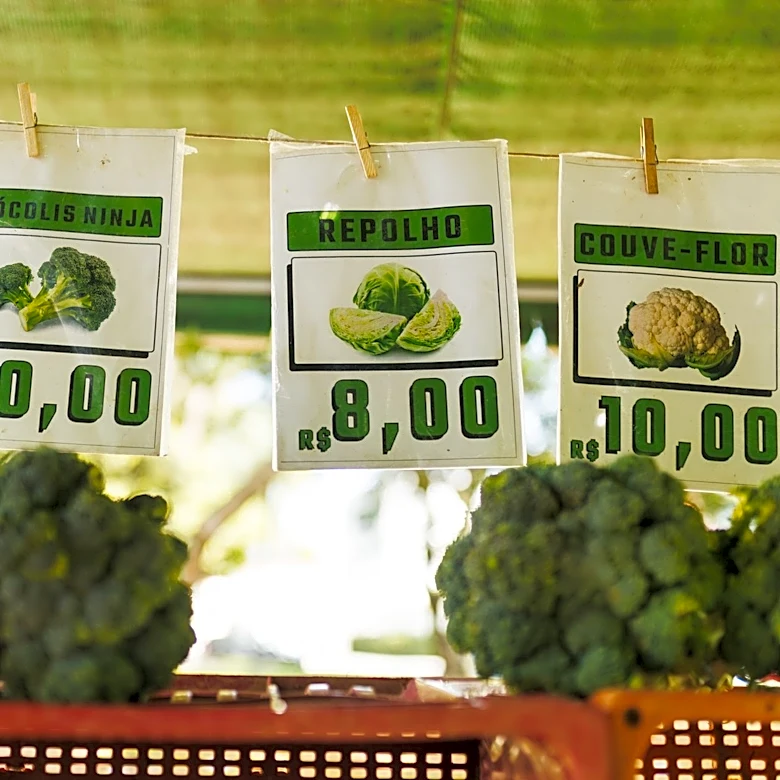
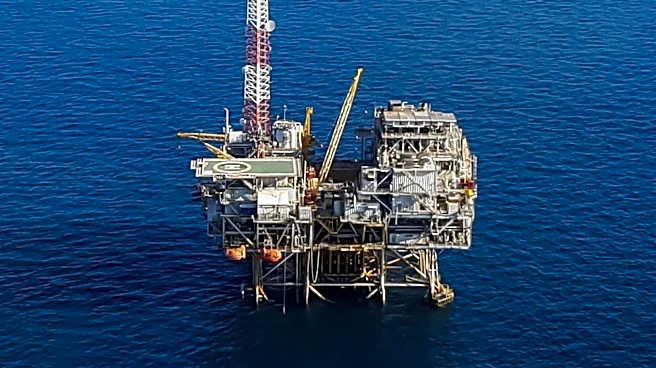
Oil prices have surged past $100 a barrel due to renewed conflict in the Middle East, particularly involving the U.S. and Iran. This increase is expected to lead to higher costs for gasoline, groceries, and back-to-school items in the U.S. The rise in oil
prices affects various sectors, as petroleum is a key component in transportation and production. As a result, consumers are likely to face higher prices at the pump and in stores, impacting their overall spending power. The situation is exacerbated by ongoing geopolitical tensions, which continue to disrupt global oil supplies.
Why It's Important?
The spike in oil prices has far-reaching implications for the U.S. economy and consumers. Higher fuel costs translate into increased expenses for transportation and goods, affecting household budgets and potentially slowing economic growth. The situation highlights the vulnerability of the U.S. economy to global geopolitical events and the importance of energy independence. As consumers adjust to higher prices, there may be shifts in spending patterns, with potential impacts on retail and travel industries. The ongoing conflict underscores the need for strategic energy policies to mitigate the effects of such disruptions.
What's Next?
As oil prices remain high, consumers and businesses will need to adapt to the increased costs. This may involve changes in consumer behavior, such as reduced travel or altered purchasing habits. Businesses may also seek ways to mitigate the impact of higher fuel costs, potentially through efficiency improvements or alternative energy sources. The situation could prompt policymakers to explore measures to stabilize energy prices and support affected industries. Additionally, the resolution of geopolitical tensions could lead to a stabilization of oil prices, providing some relief to consumers and businesses.