


What's Happening?
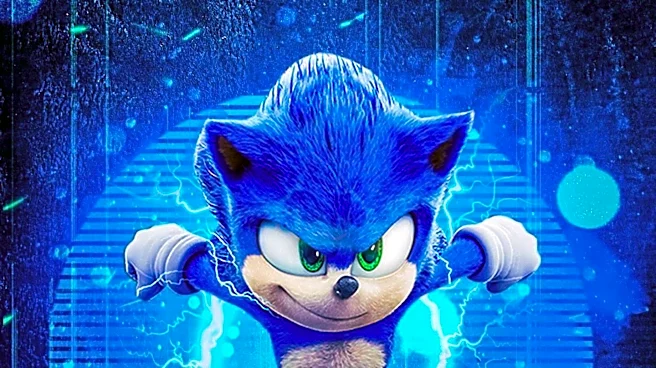
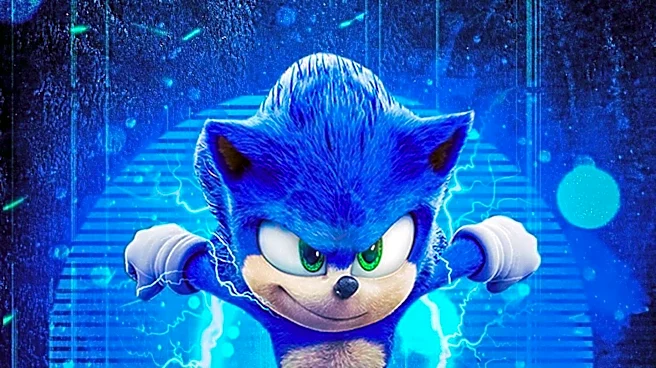
Netflix's animated series 'Sonic Prime,' launched in late 2022, has notably recast the voice actors for the characters Doctor Eggman and Chaos. While Ben Schwartz voices the titular Sonic, the decision to bring in new actors for these established roles
has generated discussion among fans. In the video games, Doctor Eggman was famously voiced by Mike Pollock, known for his deep, commanding baritone and comedic villainy. For 'Sonic Prime,' Jason Marnocha has taken over the role, offering a different, more grounded and intense portrayal. Similarly, Chaos, an ancient water god, was previously characterized by non-verbal sound design in the games, particularly 'Sonic Adventure.' In the new series, Lani Minella provides Chaos with a distinct voice, allowing for a more active and dialogue-driven role within the narrative. These changes reflect the distinct demands of animated television compared to video game voice acting, where performances are tailored for lengthy narrative arcs and collaborative direction.
Why It's Important?
The recasting of iconic characters in 'Sonic Prime' highlights the complexities and challenges of adapting long-running multimedia franchises across different mediums. For fans, the vocal performances of characters like Doctor Eggman are deeply ingrained, creating a strong sense of familiarity and brand identity. A shift in voice actors can lead to a mixed reception, with some embracing the new direction for its narrative flexibility and others feeling a disconnect from the established canon. This decision underscores the differing production logistics and artistic visions between video games and animated series. While game voice acting often involves short, isolated sessions for consistent in-game loops, animated series require performances that develop characters over multiple episodes, allowing for greater emotional depth and comedic timing. The choice to reinterpret established elements, such as giving Chaos a voice, demonstrates a willingness to serve the show's specific narrative objectives, potentially alienating some long-time fans while attracting new audiences with a fresh take.
What's Next?
The ongoing reception to 'Sonic Prime' and its voice cast will likely continue to influence future adaptations within the Sonic franchise. The series' success or fan backlash regarding these casting decisions could set precedents for how other established characters are handled in subsequent animated projects or even future video game installments. Creators of multimedia franchises will continue to weigh the balance between maintaining vocal consistency for brand identity and embracing narrative flexibility for new adaptations. The discussion surrounding 'Sonic Prime' also highlights the evolving nature of transmedia storytelling, where what works in one medium may not directly translate to another. Future projects may see more deliberate choices in voice casting to align with specific narrative tones and production requirements, potentially leading to further debates among fan communities regarding character authenticity versus creative reinterpretation.
Beyond the Headlines
The recasting in 'Sonic Prime' delves into the deeper implications of character identity and audience expectation in long-running franchises. For many fans, a character's voice is an integral part of their persona, almost as much as their visual design. When a voice changes, it can challenge the audience's established connection to the character, raising questions about what truly defines them. This situation also touches upon the ethical considerations of creative freedom versus fan loyalty. While creators have the right to make artistic choices to serve their vision, they also navigate a passionate fanbase with strong attachments to original interpretations. The shift from non-verbal sound design to spoken dialogue for Chaos, for instance, reflects a broader trend in media to humanize or give more explicit agency to characters previously defined by abstract elements. This can enrich storytelling but also risks losing the unique, mysterious qualities that made the original portrayal impactful. Ultimately, these decisions highlight the delicate balance between innovation and tradition in popular culture.