






What's Happening?
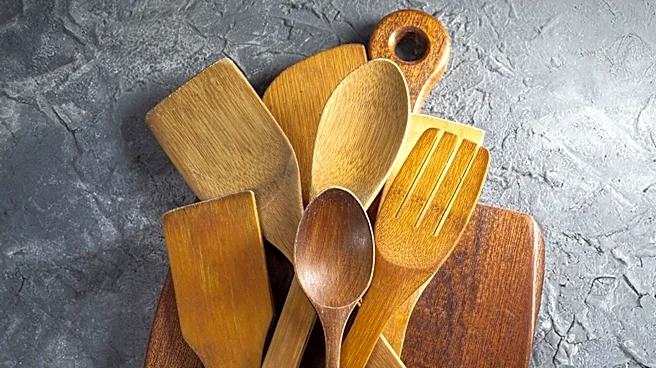
Recent studies have highlighted potential hygiene issues with wooden cutting boards, which are increasingly being chosen over plastic alternatives due to concerns about microplastics. While wooden boards are less likely to harbor bacteria in deep grooves
compared to plastic, they still require careful maintenance to remain sanitary. Experts recommend choosing hardwood boards like maple or walnut, which are less porous and dry quickly, reducing bacterial growth. Proper cleaning involves scrubbing with dish detergent, rinsing, and applying a bleach solution approved for food contact surfaces. Regular maintenance and replacement of boards showing wear are advised to prevent contamination.
Why It's Important?
The shift from plastic to wooden cutting boards reflects growing consumer awareness of environmental and health issues associated with microplastics. However, the need for proper maintenance of wooden boards underscores the importance of food safety in the kitchen. This development impacts both consumers and manufacturers, as demand for sustainable yet hygienic kitchen tools increases. The advice from food safety experts highlights the balance between environmental concerns and practical hygiene, influencing purchasing decisions and potentially driving innovation in kitchenware design.
What's Next?
As awareness of the hygiene requirements for wooden cutting boards grows, consumers may seek more information on best practices for kitchen safety. Manufacturers might respond by developing new products that combine sustainability with ease of maintenance. Additionally, educational campaigns on food safety could become more prevalent, emphasizing the importance of proper cleaning techniques. The ongoing dialogue about kitchen hygiene and sustainability is likely to influence future trends in consumer behavior and product development.