




What's Happening?
The indie beauty sector is experiencing a dynamic period with significant funding activities, brand closures, and legal disputes. Fara Homidi Beauty secured an additional $4 million in growth capital from Sandbridge Capital, bringing its total investment
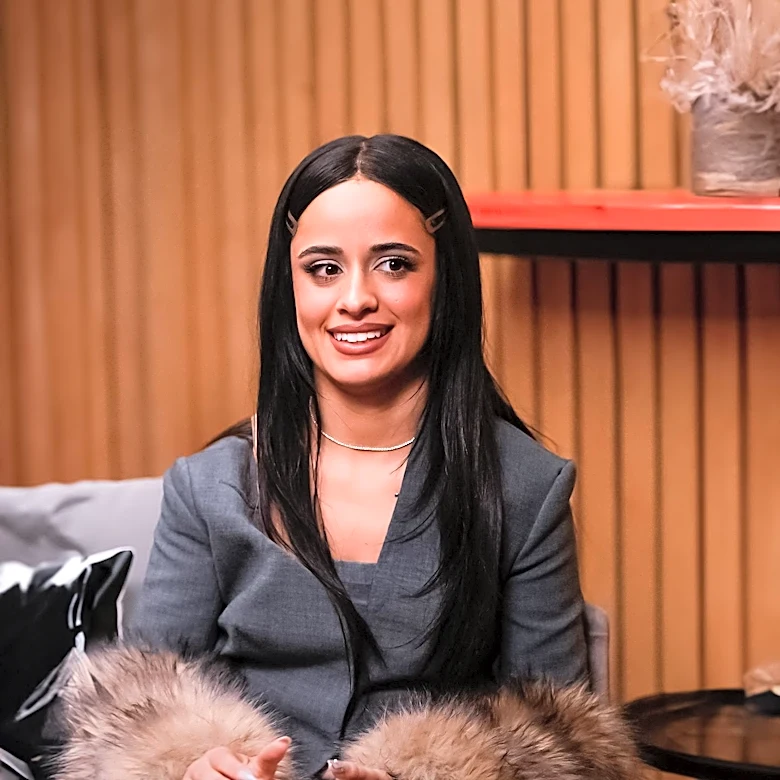
to over $7 million, with projected 2025 sales of $15 million. Meanwhile, Kate Hudson's supplement brand InBloom appears to have shut down, with its website non-operational and social media inactive. Elaluz, a beauty brand by Camila Coelho, has also paused operations. In other news, Nancy Twine's new haircare brand, Soulstice, is embroiled in a trademark dispute, and Ritual and InnerCap Technologies are in a patent dispute over capsule technology, drawing Walmart and Target into federal litigation.
Why It's Important?
This snapshot of the indie beauty market highlights both the opportunities and challenges within the sector. Significant investments in brands like Fara Homidi Beauty indicate investor confidence in specific niches and the potential for high growth. Conversely, the closures of celebrity-backed brands like InBloom and Elaluz underscore the competitive nature of the market and the difficulties even well-known figures face in sustaining beauty ventures. The legal battles, such as the trademark dispute involving Soulstice and the patent infringement lawsuit between Ritual and InnerCap, reveal the increasing complexity of intellectual property in the beauty industry, impacting product innovation and market access for both established and emerging brands. These legal challenges can have substantial financial and reputational consequences for the companies involved.
What's Next?
For Fara Homidi Beauty, the new funding is expected to fuel further growth and market expansion. The closures of InBloom and Elaluz may lead to shifts in consumer preferences and market share for other brands. The ongoing trademark and patent disputes could result in significant legal precedents for the beauty industry, potentially influencing how brands protect their intellectual property and navigate competitive landscapes. The involvement of major retailers like Walmart and Target in the Ritual-InnerCap lawsuit suggests that the outcome could have broader implications for product distribution and supply chain relationships within the retail sector. New leadership at Olaplex, with Christoph Kaul taking over as CEO, indicates a strategic shift for the haircare brand following its sale to Henkel.
Beyond the Headlines
The trends observed in the indie beauty market reflect broader shifts in consumer behavior, including a growing demand for specialized products and a preference for brands with strong narratives. The rise and fall of celebrity-backed brands also illustrate the double-edged sword of celebrity endorsement: while it can provide initial traction, sustained success requires robust business models and product efficacy. The legal battles over intellectual property highlight the increasing value placed on unique formulations and brand identities in a crowded market. These developments collectively shape the future landscape of the beauty industry, influencing innovation, market consolidation, and consumer trust.