




What's Happening?
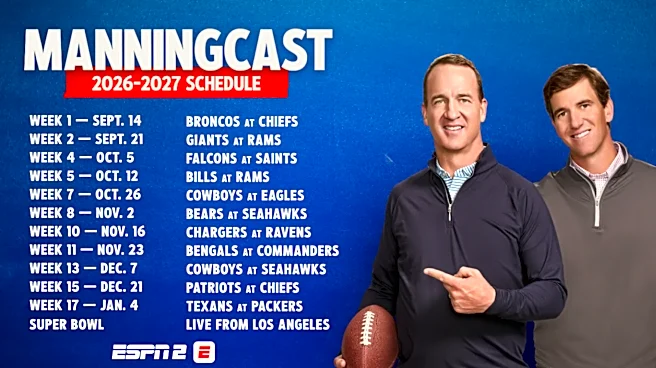
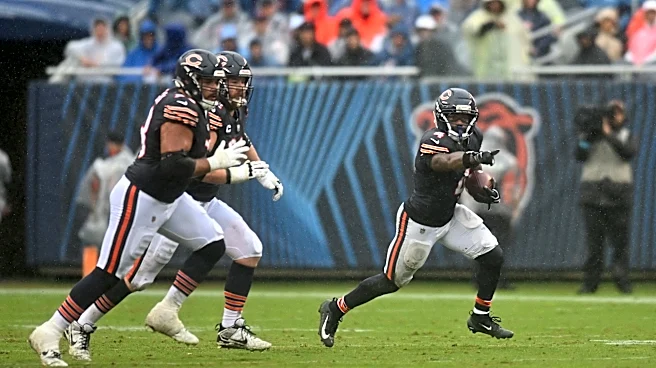
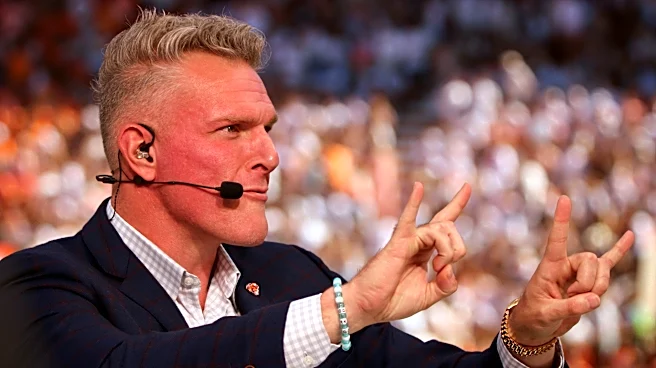
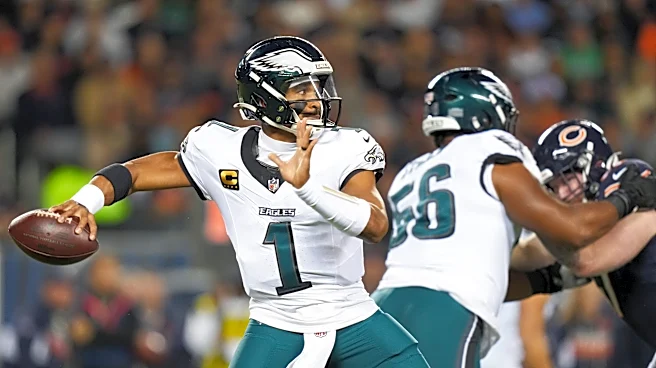
Pat McAfee, host of 'The Pat McAfee Show,' launched into a passionate rant on his Wednesday ESPN program, addressing the fallout from his interaction with Jason Kelce during a recent Monday Night Football broadcast. The controversy stemmed from Kelce,
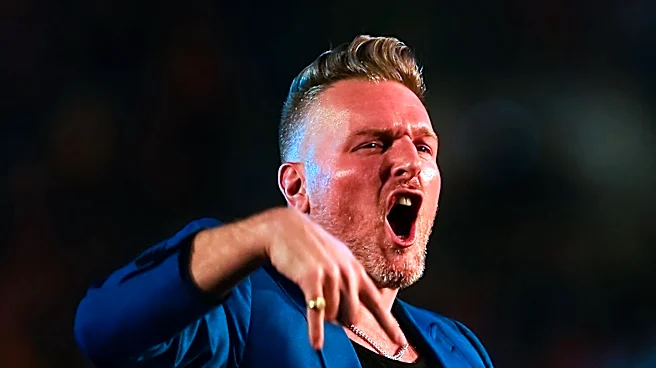
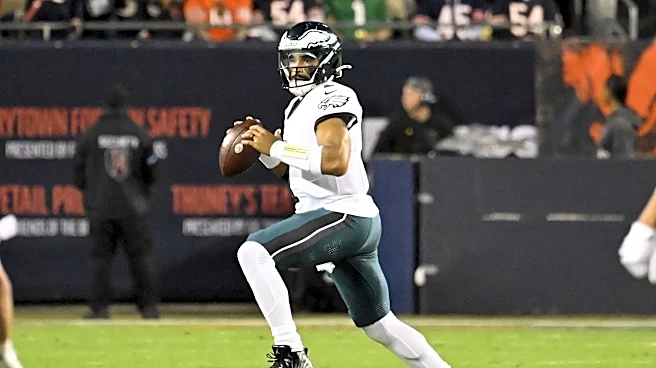
a former Philadelphia Eagles player, repeatedly using 'we' when discussing his former team's performance. McAfee had playfully called out Kelce for this, prompting an apology from Kelce to Bears fans. This exchange subsequently drew criticism from some, including former ESPN analyst Ryan Clark, who defended Kelce on social media. McAfee, clearly frustrated by the ongoing discussion, stated that anyone who believed his initial comment to Kelce was serious 'has no brain.' He further expressed his disdain for what he perceived as 'lying and the stuff that happens on my name these days,' and a 'piling on' of criticism, concluding with the aggressive statement, 'I hope you all rot. All of you.'
Why It's Important?
This incident is significant as it highlights the intense scrutiny and public pressure faced by prominent sports media personalities, particularly those with a direct and unfiltered style like Pat McAfee. The rapid escalation of a seemingly minor on-air comment into a widespread controversy, fueled by social media and commentary from other media figures, underscores the volatile nature of modern sports discourse. For ESPN, a major network, managing such public disagreements among its talent is crucial for maintaining its brand image and audience trust. The event also brings to light the ongoing debate about the role of former athletes as analysts, the expectations of impartiality, and the fine line between engaging banter and perceived bias. McAfee's strong reaction reflects the personal toll that constant public criticism can take on individuals in the spotlight, and how they choose to defend their integrity and intentions.
What's Next?
Following Pat McAfee's fiery rant, it is likely that discussions and reactions within sports media and among fans will continue. The directness of his comments, particularly the 'I hope you all rot' statement, may provoke further responses from those he criticized or from other commentators. ESPN may need to consider how to address such intense public exchanges involving its talent, especially as it navigates the balance between promoting strong personalities and maintaining a professional image. For McAfee, this incident could further solidify his reputation as an outspoken and unapologetic figure, which may appeal to his core audience but could also draw more criticism. The broader conversation about the nature of sports commentary, the impact of social media, and the expectations placed on analysts will likely persist, influencing future interactions and content within the sports media landscape.
Beyond the Headlines
Beyond the immediate news, this event delves into the complex dynamics of celebrity, media, and public perception in the digital age. McAfee's frustration and aggressive pushback against his detractors can be seen as a manifestation of the constant pressure public figures face to justify their actions and words in an environment where every comment is scrutinized. It also highlights the performative aspect of modern media, where personalities are often encouraged to be provocative to generate engagement, which can then lead to unforeseen backlashes. The incident raises questions about the authenticity of on-air interactions versus the curated narratives that emerge on social media. Furthermore, it underscores the power of online communities to shape and amplify public opinion, sometimes creating a 'mob mentality' that can be difficult for individuals to counter, regardless of their original intent. This situation serves as a microcosm of broader societal trends in communication and conflict resolution in the public sphere.