
What's Happening?
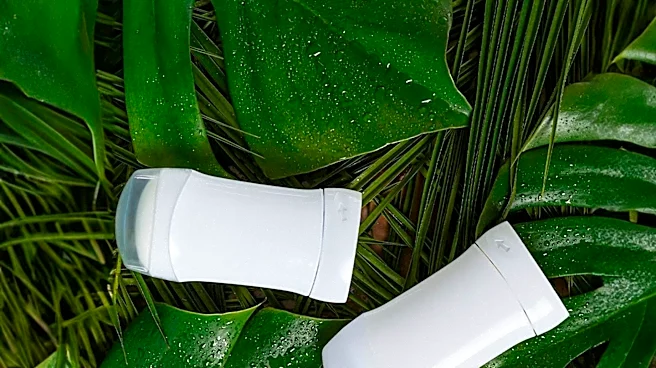
The global aluminum-free deodorant market is projected to expand significantly, reaching an estimated $9.51 billion by 2036, up from $3.73 billion in 2026. This growth, representing a 9.8% compound annual
growth rate (CAGR), is driven by a substantial consumer shift towards clean-label personal care products and away from sweat-blocking antiperspirants. Consumers are increasingly opting for odor-only formulations, leading multinational personal care companies to launch reformulated extensions under established brands. For instance, Procter & Gamble has relaunched its Native deodorant lines, free of aluminum and other chemicals, with claims of up to 72 hours of odor protection. Unilever has also reported mid-single-digit deodorant growth, with high-single-digit gains in the United States. The market is also influenced by tightening fragrance regulations globally, such as EU Regulation 2023/1545 and the Illinois Chemicals in Cosmetic Products Act, which prohibit certain hazardous substances.
Why It's Important?
This market shift is important for the U.S. personal care industry as it signifies a fundamental change in consumer preferences and product development strategies. The move towards aluminum-free and 'clean-label' products impacts manufacturers, retailers, and ingredient suppliers. Companies that adapt to these demands by offering effective, natural, and transparently formulated products stand to gain market share. Conversely, those slow to innovate or reformulate may lose out. The increased focus on ingredient transparency and regulatory compliance, particularly regarding fragrance allergens and hazardous substances, adds complexity and cost to product development. This trend also highlights a growing consumer awareness of health and environmental concerns, pushing the industry towards more sustainable and natural alternatives. The U.S. market, specifically, is experiencing significant growth in this segment, indicating a strong domestic demand for these products.
What's Next?
Over the next decade, aluminum-free formulations are expected to continue capturing market share from traditional deodorant and antiperspirant categories. The standardization of 48-hour and 72-hour odor protection claims in mass retail will likely expand consumer adoption from daily personal care to more demanding athletic activities. Brands will need to continue innovating with plant-based odor actives and explore alternative delivery formats, such as propellant-free sprays, to meet evolving consumer preferences and regulatory requirements. The ongoing tightening of fragrance regulations and rising input costs will necessitate strategic decisions from manufacturers regarding product rationalization and supply chain management. Independent product testing will also play a crucial role in substantiating efficacy claims, pushing brands to invest in robust research and development.
Beyond the Headlines
The rise of the aluminum-free deodorant market reflects a broader cultural shift towards holistic wellness and conscious consumerism in the U.S. and globally. Consumers are increasingly scrutinizing product labels and demanding transparency about ingredients, driven by concerns about potential health impacts of synthetic chemicals and environmental sustainability. This trend extends beyond deodorants to other personal care and household products, indicating a long-term shift in consumer values. The emphasis on 'natural' and 'clean' ingredients also raises questions about the scientific substantiation of these claims and the potential for 'greenwashing.' As the market matures, there will likely be increased scrutiny on the effectiveness and safety of natural alternatives, pushing for more rigorous testing and clearer communication from brands. This movement could also inspire further regulatory actions to ensure product safety and ingredient transparency across the personal care industry.