









What's Happening?
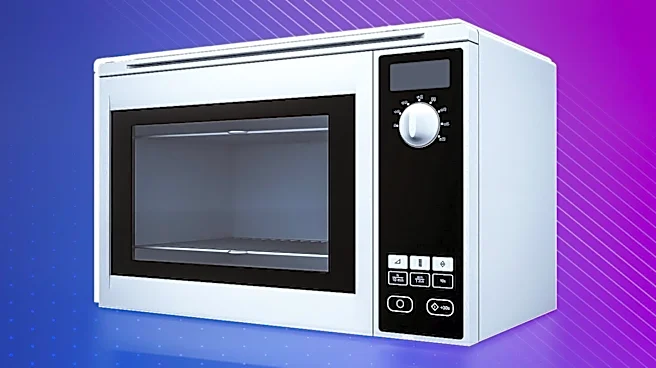
The global oven controller market is projected to experience sustained growth through 2035, driven by industrial automation and the modernization of commercial kitchens. According to a report by IndexBox, the market is expected to grow at a compound annual
growth rate (CAGR) of 3-5% between 2026 and 2035. This growth is attributed to the increasing demand for connected, energy-efficient controllers that enable remote monitoring and predictive maintenance. The Asia-Pacific region, particularly China, dominates both production and consumption, accounting for an estimated 45-50% of global output. Key growth drivers include the retrofit of aging industrial ovens, stringent energy efficiency regulations in Europe and North America, and the emergence of high-growth niches such as electric vehicle battery drying ovens. However, challenges such as supply chain volatility for core semiconductors and intense price competition from low-cost Asian manufacturers remain.
Why It's Important?
The expansion of the oven controller market is significant for several industries, including residential, commercial, and industrial sectors. The shift towards energy-efficient and IoT-enabled controllers aligns with global trends in energy conservation and smart home technology. This growth supports the broader adoption of smart kitchen appliances, which are increasingly popular among consumers seeking convenience and energy savings. For industrial sectors, precise thermal management is crucial for processes in semiconductor fabrication and electronics assembly, highlighting the importance of advanced oven controllers. The market's growth also reflects the increasing integration of Industry 4.0 practices, which emphasize automation and data exchange in manufacturing technologies.
What's Next?
The market is expected to continue evolving with advancements in technology and increasing regulatory demands for energy efficiency. Manufacturers may focus on developing more sophisticated controllers with enhanced connectivity and data analytics capabilities. The ongoing trend towards smart home ecosystems and the need for energy optimization in industrial settings will likely drive further innovation. Additionally, the market may see increased competition as more companies enter the space, potentially leading to more competitive pricing and diverse product offerings.