




What's Happening?
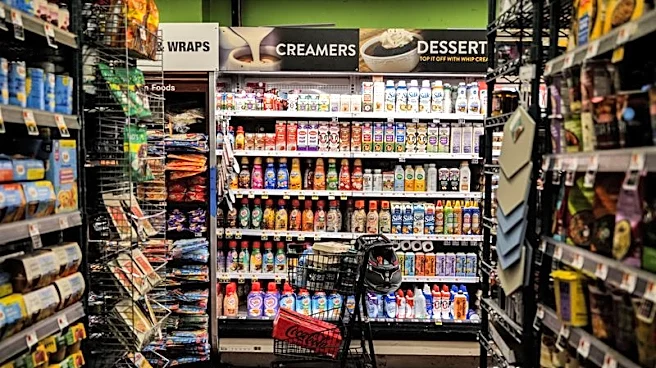
U.S. consumer prices increased by 0.4% in October, following a 0.6% climb in September, according to the Bureau of Labor Statistics' Consumer Price Index (CPI). Food prices rose by 0.5% during the month, with grocery prices specifically increasing by 0.4%.
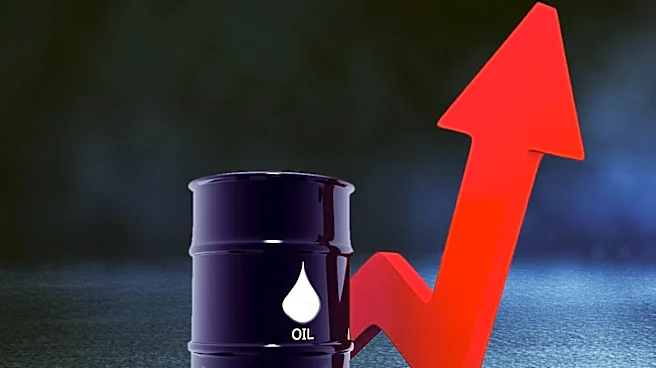
Prices for food away from home, including restaurant meals, also rose by 0.5%. Within grocery categories, beef prices saw a 0.9% increase, while fruits and vegetables, and dairy products each rose by 0.6%. Meats, poultry, fish, and eggs collectively increased by 0.5%. Energy prices also contributed to the overall rise, increasing by 0.7% in October, following a 5.2% jump in September. Gasoline prices rose by 1%, and electricity prices increased by 0.9%, though natural gas prices declined by 0.8%. Shelter costs rose by 0.3%, accounting for over 30% of the monthly increase in the overall CPI. Prices excluding food and energy also increased by 0.3%.
Why It's Important?
The continued rise in consumer prices, particularly driven by essential categories like food and energy, places significant financial pressure on U.S. households. The broad-based increases across various food groups mean that consumers will feel the impact on their daily budgets. The substantial contribution of shelter costs to the overall CPI increase further highlights the rising cost of living. For businesses, especially those in the food and energy sectors, these figures indicate ongoing inflationary pressures that may affect operational costs and pricing strategies. The Bureau of Labor Statistics noted that it could not calculate most 12-month inflation comparisons for October due to a lapse in federal appropriations in October 2025, which limits the ability to assess long-term inflation trends accurately. This situation makes it challenging for both consumers and policymakers to fully understand the year-over-year impact of these price changes.
What's Next?
The Bureau of Labor Statistics is scheduled to release its next CPI report, covering November, on December 10. This upcoming report will be critical for understanding whether the upward trend in food and energy prices continues or if there is any moderation. Consumers should anticipate continued vigilance regarding their spending on groceries and energy. Businesses will likely continue to monitor input costs closely and adjust their pricing and supply chain strategies accordingly. Policymakers will also be watching these figures to assess the effectiveness of current economic measures and consider potential interventions to address persistent inflation, particularly in essential goods and services.
Beyond the Headlines
The interconnectedness of food and energy prices is a key takeaway from this report. The increase in energy costs directly impacts the production, processing, and transportation of food, ultimately leading to higher grocery prices. This dynamic underscores the vulnerability of the food supply chain to fluctuations in global energy markets. The fact that shelter costs are a significant contributor to the overall CPI increase points to broader housing market pressures, which, combined with rising food and energy costs, create a challenging economic environment for many Americans. The inability to provide 12-month inflation comparisons due to data collection issues from a previous federal appropriations lapse highlights a potential gap in economic transparency and the challenges of consistent data reporting, which can hinder comprehensive economic analysis and policy formulation.