







What's Happening?
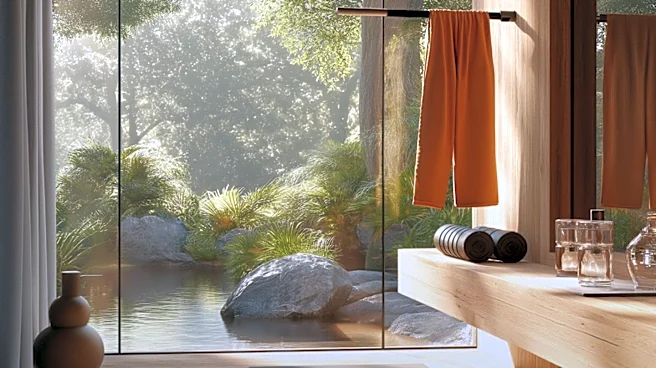
The concept of wellness architecture is gaining prominence in home design, moving beyond traditional luxury amenities to create dedicated spaces for physical and mental restoration. This approach focuses on integrating elements like saunas, cold plunges,
and recovery zones into homes, emphasizing ritualistic use over mere technological accumulation. Unlike past trends that focused on oversized tubs or decorative steam showers, modern wellness architecture prioritizes 'thermal sequencing'—arranging spaces to guide the body through different environmental conditions, such as heat, cooling, and rest. Key considerations include proper ventilation, waterproofing, drainage, and air circulation, which are treated as integral architectural components rather than secondary technical details. The goal is to create enduring, functional spaces that support repeatable wellness routines, making recovery a natural part of daily life.
Why It's Important?
This shift in home design reflects a broader societal interest in well-being and a desire for intentional spaces that support health. For the U.S. construction and real estate industries, this trend signifies a growing market for specialized wellness installations, potentially driving demand for architects, contractors, and material suppliers with expertise in creating demanding indoor environments. Homeowners stand to gain from improved physical and mental health through consistent access to restorative practices, while the industry benefits from offering high-value, long-lasting home features. The emphasis on longevity and thoughtful integration, rather than fleeting trends, suggests a more sustainable and impactful approach to residential wellness, moving away from the 'showroom' effect of accumulating unused equipment. This also highlights the importance of considering the physiological impact of design, ensuring that spaces are not only aesthetically pleasing but also conducive to health and recovery.
What's Next?
As wellness architecture gains traction, we can expect to see increased demand for specialized design and construction services. Homeowners will likely seek professionals who understand the complexities of integrating thermal environments, moisture control, and proper ventilation. The market may also see an expansion of products and materials specifically designed for these demanding conditions, such as advanced waterproofing systems, durable finishes, and energy-efficient heating and cooling solutions. Furthermore, the integration of wellness spaces into daily routines could influence urban planning and community development, with potential for more public or communal wellness facilities designed with similar architectural principles. Educational programs for architects and builders may also evolve to include specialized training in wellness-focused design and construction techniques.
Beyond the Headlines
The rise of wellness architecture points to a deeper cultural shift towards prioritizing self-care and intentional living within the home environment. It challenges the traditional view of homes as merely functional spaces, elevating them to sanctuaries for physical and mental restoration. This trend also highlights the ethical responsibility of designers and builders to create spaces that genuinely enhance well-being, moving beyond superficial aesthetics to address fundamental physiological and psychological needs. The focus on ritual over technology suggests a desire for more mindful engagement with daily practices, potentially counteracting the pervasive influence of digital distractions. Ultimately, wellness architecture could foster a more holistic understanding of home, where design actively contributes to a healthier, more balanced lifestyle.