
What's Happening?
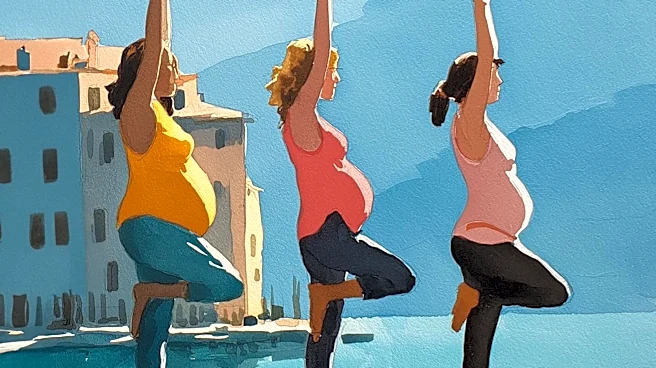
Prenatal Pilates is a distinct exercise discipline specifically designed to accommodate the significant biomechanical and hormonal changes experienced during pregnancy. Unlike regular Pilates, it focuses
on supporting the spine, strengthening the pelvic floor, and building deep core stability to prepare the body for labor. The hormone relaxin, which softens ligaments and increases joint mobility, necessitates a specialized approach. As pregnancy progresses, particularly into the third trimester, the focus shifts from building new strength to maintaining existing strength, managing discomfort, and preparing for birth through targeted exercises. This includes emphasizing pelvic floor awareness (both strengthening and releasing), breathing patterns that support pushing, and hip openers to encourage optimal fetal positioning. Sessions are often gentler in intensity during the third trimester but remain highly targeted to address the unique needs of the expectant mother.
Why It's Important?
The specialized nature of prenatal Pilates is crucial for the health and well-being of expectant mothers. By addressing the specific physiological changes of pregnancy, such as increased joint laxity and altered center of gravity, it helps mitigate common discomforts like back pain and prepares the body for the physical demands of childbirth. The emphasis on pelvic floor training, including both strengthening and releasing, is particularly vital for vaginal birth preparation and postpartum recovery. This tailored approach minimizes the risks associated with general exercise during pregnancy, ensuring that movements are safe and beneficial. For many women, maintaining physical activity during pregnancy can improve circulation, manage weight gain, and contribute to overall fitness, leading to a healthier pregnancy and potentially a smoother delivery experience.
What's Next?
Expectant mothers considering prenatal Pilates should consult their obstetrician before starting any new exercise program. If new to Pilates, the first trimester is an ideal time to begin, establishing foundational breathing patterns and core connection. As pregnancy progresses, instructors will adapt sessions to the changing needs of the individual, often recommending private or semi-private sessions in the second and third trimesters for personalized attention. Most women can continue modified Pilates up to their due date, with guidance from their healthcare provider. The focus will continue to be on maintaining strength, managing discomfort, and preparing the body and mind for labor and birth, with a strong emphasis on pelvic floor health and breathing techniques.
Beyond the Headlines
The rise of specialized prenatal fitness programs like Pilates reflects a broader understanding of women's health during pregnancy. It highlights a shift from a 'one-size-fits-all' approach to exercise to a more nuanced, body-specific methodology. This trend underscores the importance of expert instruction and tailored programs that respect the unique physiological journey of pregnancy. It also brings to light the often-overlooked aspect of pelvic floor health, not just in strengthening but also in the crucial ability to release, which is vital for childbirth. This specialized care can empower expectant mothers, providing them with tools to manage their physical well-being and prepare for a positive birth experience, potentially influencing long-term maternal health outcomes.