
What's Happening?
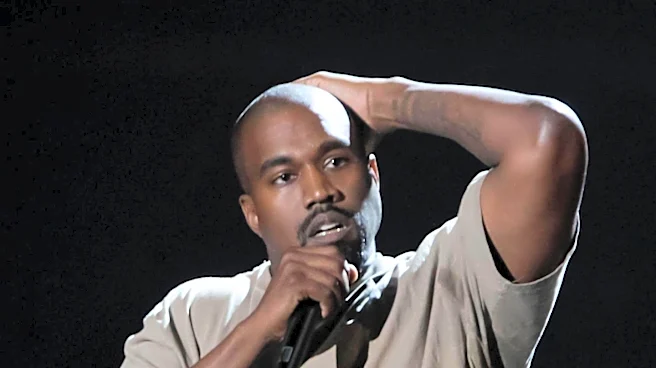
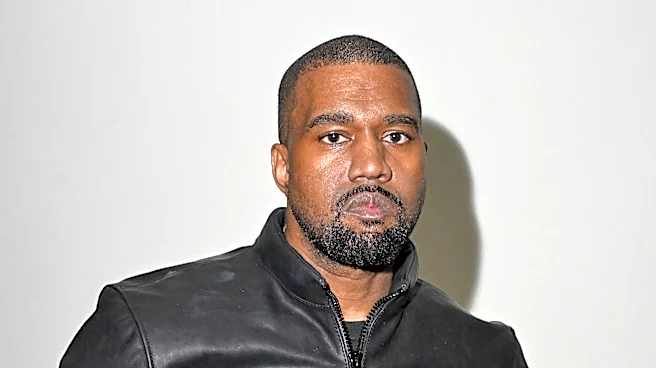
North Carolina musician Chase Taylor has filed a federal lawsuit against Ye, formerly known as Kanye West, alleging false imprisonment, fraud, and unfair business practices. Taylor claims he was brought
to Cody, Wyoming, in 2019 for what he believed was a completed opera, 'Nebuchadnezzar,' but instead found the music unfinished. According to the complaint, Taylor and over 150 performers were confined in a high school band room for four days and ordered to complete the opera. He alleges that requests for unlocked doors, meals, water, and sleep were denied. Taylor also states he was promised significant pay, a producer credit, and future work that never materialized. Furthermore, he claims some of his compositions and arrangements from the opera later appeared on commercial releases, including Travis Scott’s 'Telekinesis' and tracks from 'Vultures 2,' without his permission or compensation. The opera 'Nebuchadnezzar' premiered at the Hollywood Bowl in November 2019.
Why It's Important?
This lawsuit highlights the complex legal and ethical challenges that can arise in high-profile artistic collaborations, particularly concerning intellectual property rights and labor practices. For musicians and artists, the case underscores the importance of clear contractual agreements and fair treatment, especially when working with established figures in the entertainment industry. The allegations of false imprisonment and unpaid work could set a precedent for how artists are engaged and compensated in large-scale productions. If Taylor's claims are proven, it could lead to increased scrutiny of working conditions and artist rights within the music and performance sectors, potentially influencing future industry standards and legal protections for creative professionals. The involvement of a prominent artist like Ye also draws significant public attention to these issues, potentially empowering other artists to come forward with similar grievances.
What's Next?
Chase Taylor is seeking damages for fraud, false imprisonment, and unfair business practices, along with relief related to copyright infringement. He also aims to secure a share of the profits from the implicated songs and recognition of his copyright ownership. As of Friday, Ye's representatives had not publicly responded to the lawsuit, and the claims remain unproven allegations. The legal proceedings will likely involve discovery and potentially a trial, where evidence regarding the alleged confinement, contractual agreements, and use of Taylor's compositions will be presented. The outcome of this case could influence future legal actions against Ye, who has faced numerous lawsuits over unlicensed samples and interpolations throughout his career. A similar lawsuit by another musician is reportedly still pending in California.
Beyond the Headlines
Beyond the immediate legal implications, this lawsuit touches upon broader themes of artistic exploitation and the power dynamics within the entertainment industry. The allegations of confinement and denial of basic necessities raise ethical questions about the treatment of creative talent, particularly those who may be less established. It also brings to light the often-unseen labor that goes into major productions and the potential for artists to be marginalized or exploited. The claim that compositions were used without payment or credit further emphasizes the ongoing struggle for intellectual property rights in an industry where music can be easily sampled and repurposed. This case could contribute to a larger conversation about accountability and transparency in artistic collaborations, potentially leading to calls for stronger protections for artists' rights and welfare.