




What's Happening?
Michelin is actively seeking an Industrial Engineer for its facility in Peosta, Iowa, specializing in off-road rubber track systems for the agriculture industry. This role is central to the company's continuous improvement initiatives, focusing on enhancing
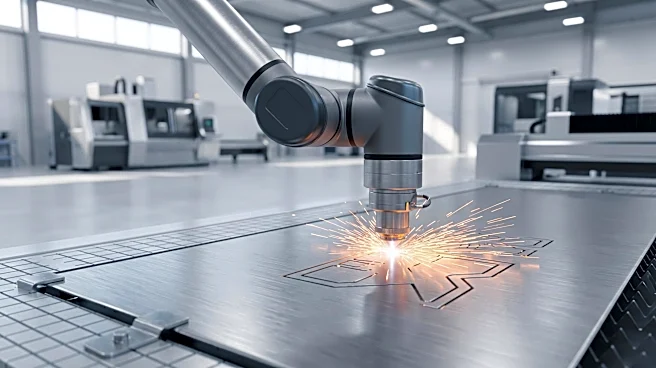
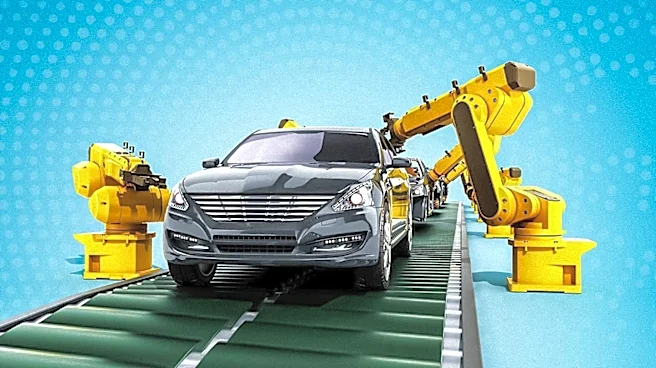
productivity and innovation across various operational areas, from specific work posts to broader transverse processes. The Industrial Engineer will be responsible for developing, implementing, and improving manufacturing processes, tools, equipment, and work activities to meet safety, quality, delivery, and cost objectives. Key responsibilities include facility workforce planning, productivity planning, machine capacity analysis, process effectiveness analysis, and project management. The position also involves leading and supporting industry innovation initiatives such as Automatic Guided Vehicles, robotics, and automation to simplify work, improve ergonomics, and reduce complexity. Michelin provides entry-level training, including formal classes and on-the-job mentoring, emphasizing a culture of respect, teamwork, and trust.
Why It's Important?
This hiring initiative by Michelin underscores a broader industry trend towards leveraging advanced engineering and automation to boost manufacturing efficiency and competitiveness in the U.S. The focus on continuous improvement, digital tools, and innovative technologies like robotics and AGVs reflects the evolving landscape of industrial productivity. By optimizing workforce planning, machine capacity, and process effectiveness, Michelin aims to strengthen local communities through local manufacturing and stimulate innovation. This approach is crucial for maintaining a competitive edge in the global market, reducing operational costs, and improving product quality. The emphasis on digital tools and data-driven insights also highlights the increasing integration of Industry 4.0 principles, which are vital for smart decision-making and agile operations in complex production environments. The role's impact extends to reducing waste, enhancing material utilization, and ensuring stable machine operation, all of which are critical for sustainable and efficient manufacturing.
What's Next?
The successful candidate will be instrumental in driving Michelin's ongoing efforts to modernize its manufacturing processes and integrate cutting-edge technologies. This will likely involve the development and implementation of digital tools and dashboards, such as OSiSoft Pi, MicroStrategy, and Power BI, to provide operational teams with valuable insights and eliminate wasted time. The Industrial Engineer will also support capital projects by providing analysis for optimized layouts, material flow, machine cycles, and staffing for new equipment and processes. Furthermore, the role will involve leading and supporting innovation initiatives that incorporate automation and robotics, which could lead to significant advancements in manufacturing capabilities and ergonomics. Michelin's commitment to continuous improvement suggests that this position will contribute to long-term strategic goals, potentially influencing future investment in technology and workforce development within the company's U.S. operations.
Beyond the Headlines
Beyond the immediate impact on Michelin's productivity, this role signifies a broader shift in the U.S. manufacturing sector towards a more technologically advanced and data-driven approach. The demand for industrial engineers capable of integrating AI, automation, and digital twin technologies highlights the increasing complexity and sophistication required in modern production. This trend suggests a growing need for a skilled workforce proficient in these advanced areas, potentially influencing educational curricula and vocational training programs. The emphasis on reducing waste and improving material utilization also aligns with sustainability goals, indicating a move towards more environmentally conscious manufacturing practices. Ultimately, the success of such roles can contribute to the resilience and global competitiveness of U.S. manufacturing, fostering innovation and creating high-value jobs in the long term.