





What's Happening?
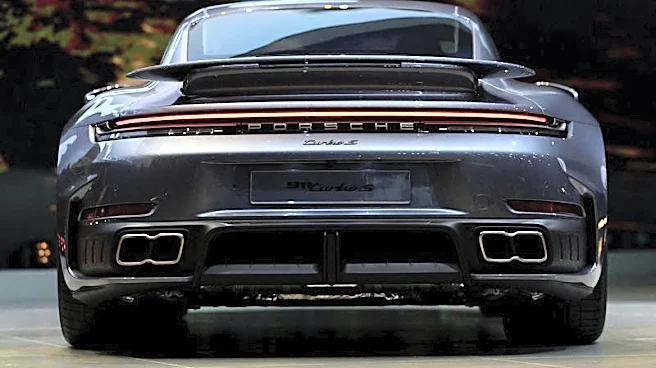
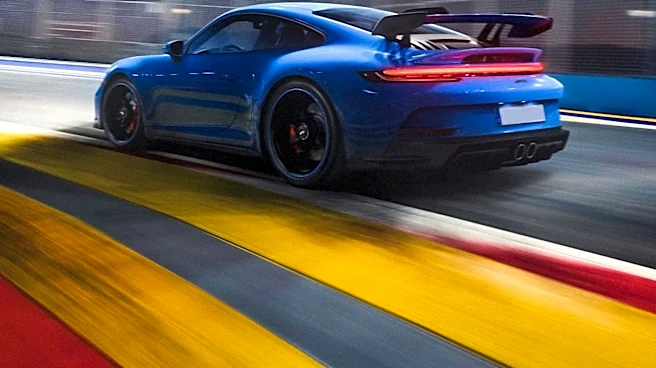
Porsche is set to introduce a twin-turbo flat-six engine in its next 911 GT3 model, marking a significant shift from its traditional naturally aspirated engines. This change is driven by tightening European emissions laws, which necessitate the adoption
of turbocharging across the 911 lineup. The new GT3, expected to debut as a 2030 model, will incorporate a non-hybrid twin-turbo system similar to that used in other 911 models. This system is anticipated to maintain the GT3's performance standards while complying with emissions regulations. The GT3 has historically been a cornerstone of Porsche's racing division, known for its reliability and track performance rather than sheer power.
Why It's Important?
The transition to a turbocharged engine in the GT3 reflects broader industry trends towards more environmentally friendly technologies in response to regulatory pressures. This move could influence the sports car market, as manufacturers balance performance with compliance. For Porsche, maintaining the GT3's reputation for track excellence while adapting to new regulations is crucial. This change may also impact Porsche's brand identity, as the GT3 has been a symbol of the company's engineering prowess. Consumers and racing enthusiasts may have mixed reactions, balancing nostalgia for naturally aspirated engines with the necessity of modern compliance.
What's Next?
The new GT3 is expected to be available by 2029, with Porsche likely to focus on refining the turbo system to meet the high standards of its racing division. The company will need to ensure that the new engine maintains the GT3's performance reputation. Stakeholders, including consumers and environmental regulators, will be watching closely to see how Porsche navigates this transition. The success of this model could set a precedent for future sports car designs under similar regulatory constraints.