







What's Happening?
The increasing demand for data centers is prompting utilities and cooperatives to rethink their grid planning, pricing, and cost recovery strategies. Data centers, which operate continuously and require significant power, are challenging traditional grid planning practices.
Utilities are moving towards planning frameworks that account for large, discrete loads and financial risks. This shift involves relying on contractual commitments, such as service agreements and minimum bill provisions, to support planning decisions and protect against stranded costs. These changes are necessary to accommodate the high energy demands of data centers and ensure grid stability.
Why It's Important?
The growing demand for data centers is reshaping the energy landscape, requiring utilities to adapt their planning and pricing strategies. As data centers become increasingly integral to the digital economy, their energy needs can drive significant economic development but also pose challenges to grid stability. Utilities must balance the high energy demands of data centers with the need to maintain reliable service for all customers. This situation highlights the importance of regulatory frameworks that support effective grid planning and ensure fair cost distribution. The changes in utility planning and pricing could have long-term implications for energy policy and infrastructure development.
Beyond the Headlines
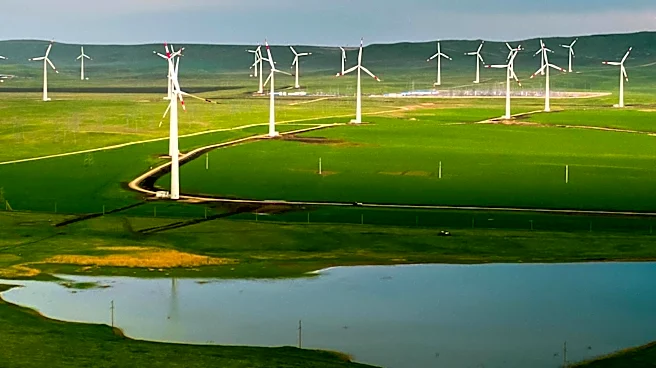
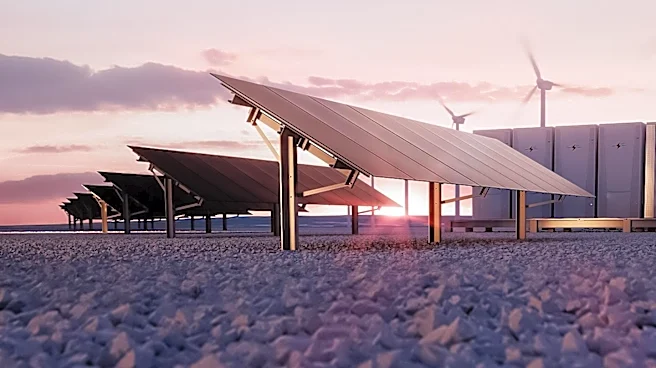
The rise of data centers as major energy consumers raises questions about the sustainability of current energy practices and the environmental impact of increased electricity use. As utilities adapt to accommodate data centers, there may be opportunities to explore renewable energy sources and improve energy efficiency. Additionally, the contractual commitments required for data center integration could serve as a model for other large-load customers, promoting more sustainable and reliable energy practices. The evolving relationship between utilities and data centers could also influence broader discussions on energy policy and the role of technology in shaping the future of energy consumption.