





What's Happening?
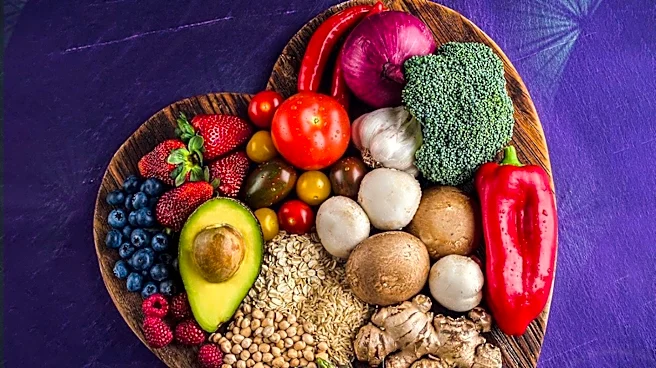
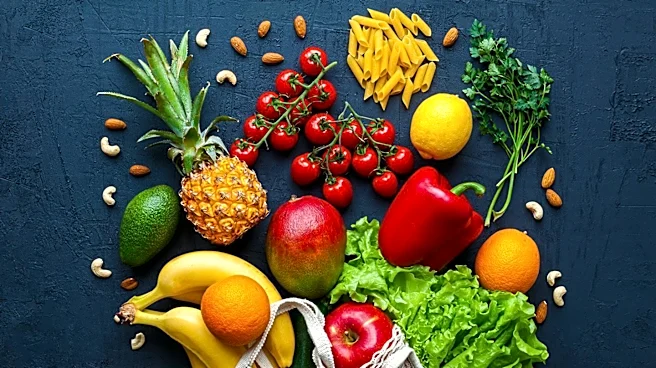
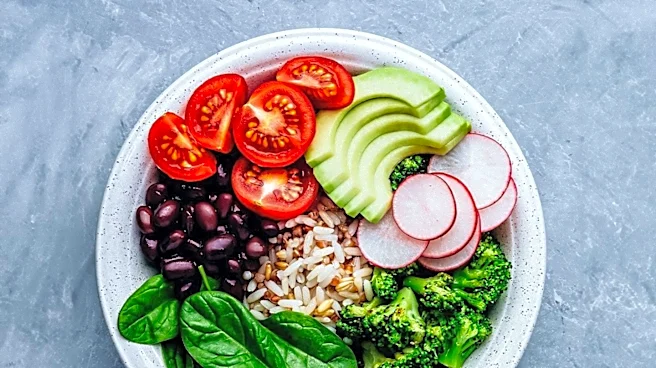
The concept of 'clean eating' generally involves consuming whole or minimally processed foods like vegetables, fruits, legumes, and whole grains, while limiting highly processed items. However, there is no agreed-upon nutritional definition for the term,
leading to a wide range of interpretations. These interpretations can span from sensible dietary habits, such as cooking more often and increasing plant-based food intake, to highly restrictive practices, including the elimination of gluten, dairy, carbohydrates, sugar, oils, and packaged foods without a clear medical reason. The core premise often aligns with reducing reliance on foods high in sugar, salt, or saturated fat. The lack of a formal definition means that what one person considers 'clean' can differ significantly from another's understanding, potentially leading to confusion and overly rigid dietary approaches.
Why It's Important?
The ambiguity surrounding 'clean eating' is significant because it can influence public health and individual dietary choices. Without a clear, standardized definition, individuals may adopt restrictive eating patterns that are not nutritionally sound or sustainable, potentially leading to nutrient deficiencies or an unhealthy preoccupation with food. The term's popular aesthetic, often seen in wellness content, can mislead individuals into believing that certain foods are inherently 'healthy' based on appearance rather than actual nutritional balance. This can overshadow the value of culturally ordinary yet nutritionally rich foods. The emphasis on 'purity' in food can also create a moralistic view of eating, where certain foods are deemed 'good' and others 'bad,' fostering guilt or anxiety around food choices rather than promoting a balanced and flexible approach to nutrition.
What's Next?
Given the ongoing popularity of 'clean eating' and similar wellness trends, there is a potential for continued debate and varying interpretations within the health and nutrition communities. Experts may increasingly advocate for clearer terminology and evidence-based dietary guidelines to counter the potential for overly restrictive or misinformed eating practices. Public health campaigns might focus on promoting balanced, varied, and sustainable eating habits rather than undefined 'clean' labels. Individuals are encouraged to consult with registered dietitians or healthcare professionals to develop personalized dietary plans that meet their nutritional needs without falling into the trap of extreme restrictions or food-related anxiety. The conversation may shift towards 'considered eating,' emphasizing thoughtful, nourishing, and flexible approaches to food that integrate with real-life circumstances.
Beyond the Headlines
The phenomenon of 'clean eating' reflects a broader societal trend where health and wellness are often intertwined with moral judgments and aesthetic ideals. The language used, such as 'clean' versus 'dirty' foods, can inadvertently foster orthorexic behaviors, where a preoccupation with healthy eating becomes restrictive and distressing. This moralization of food can obscure the multifaceted role food plays in human life, extending beyond mere nutrition to include social connection, cultural identity, celebration, and comfort. Reducing meals to a score or hierarchy based on perceived 'cleanliness' overlooks the holistic impact of eating, including the pleasure and social aspects that contribute to overall well-being. The challenge lies in distinguishing genuine nutritional care from the pursuit of an unattainable food 'purity,' which can ultimately make life smaller rather than easier to inhabit.