
What's Happening?
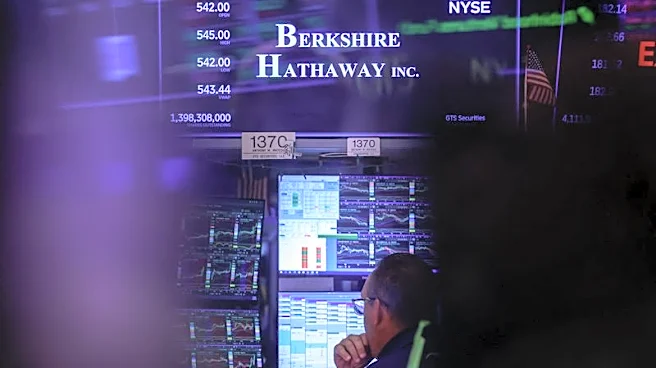
Berkshire Hathaway continues to be the largest shareholder in Kraft Heinz, holding 325,634,818 shares as of September 30, representing 27.5% of the food maker. This is despite a substantial decline in the market
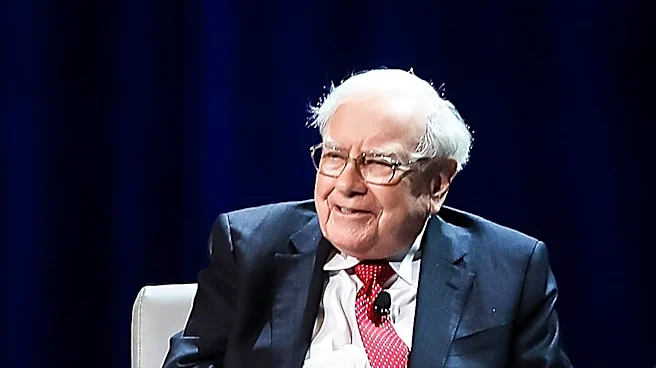
value of its stake, which was nearly $30 billion in early 2017 when Kraft Heinz traded above $90, but had fallen to approximately $8 billion by early November 2026. This represents a loss of over $21 billion in market value. In January, a regulatory filing had cleared the way for Berkshire to sell almost its entire stake, a move that followed President Buffett's public criticism of Kraft Heinz's plan to split into two companies in September 2025. However, Kraft Heinz's new CEO, Steve Cahillane, paused the breakup in February, and Berkshire's CEO, Greg Abel, backed this decision, stating that the filing was merely for readiness and no immediate action to sell was planned. Abel has publicly called Kraft Heinz a 'disappointing investment.'
Why It's Important?
Berkshire Hathaway's continued holding of a significant stake in Kraft Heinz, despite a massive decline in market value and CEO Greg Abel's acknowledgment of it as a 'disappointing investment,' carries substantial implications for the U.S. financial markets and the food industry. As the largest shareholder, Berkshire's actions are closely watched and can influence investor sentiment and the stock's performance. The decision to hold, rather than sell and realize a reported pretax loss of approximately $1.4 billion, suggests a strategic calculation, possibly tied to accounting book values and the expectation of a future turnaround. This situation highlights the complexities faced by large institutional investors in managing underperforming assets, balancing market realities with accounting principles and long-term strategic outlooks. For other Kraft Heinz shareholders, Berkshire's presence creates an 'odd dynamic,' as the market perceives a potential seller looming, which could cap any stock rallies.
What's Next?
Kraft Heinz has announced an expectation to return to top- and bottom-line growth in the second half of 2027, a target that will serve as a critical checkpoint for both the company and its major shareholders, including Berkshire Hathaway. This milestone is expected to influence Berkshire's future decisions regarding its stake. If Kraft Heinz achieves its growth targets, it could help narrow the gap between the book value and market value of Berkshire's investment, potentially allowing for a more favorable exit or a comfortable continued holding. Conversely, a missed target would undermine the turnaround strategy endorsed by Greg Abel and could make an impairment write-down harder to avoid for Berkshire. Analysts are currently cautious, with an average 'Hold' rating and a 12-month price target of $25.15, indicating that Wall Street is waiting for tangible proof of the turnaround before becoming more optimistic. The second half of 2027 is therefore a pivotal period that could determine the future trajectory of Kraft Heinz's stock and Berkshire Hathaway's involvement.
Beyond the Headlines
The prolonged engagement of Berkshire Hathaway with Kraft Heinz, despite its underperformance, reveals a deeper narrative about the challenges of corporate turnarounds and the strategic patience of long-term investors. The initial criticism from President Buffett regarding the proposed split and the subsequent decision by CEO Greg Abel to support the new CEO's turnaround efforts illustrate the internal dynamics and influence of major shareholders. The discrepancy between the market value and Berkshire's book value of its Kraft Heinz stake highlights an accounting dilemma: selling at a loss would trigger a reported earnings hit, even if it's a non-cash charge. This scenario underscores how financial reporting can influence strategic decisions, sometimes leading to a 'wait-and-see' approach even when an investment is deemed disappointing. The situation also serves as a case study in the power of a dominant shareholder to shape a company's direction, even after its representatives have left the board, by simply holding a significant stake and influencing market perception.