
What's Happening?
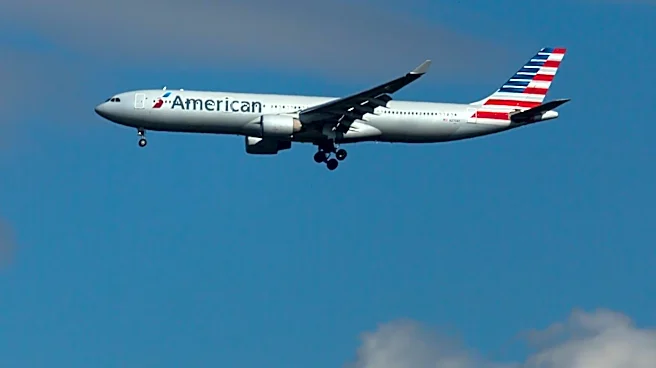
American Airlines has reported a significant increase in revenue for the second quarter, achieving a 16% rise to $16.7 billion compared to the same period last year. This growth is attributed to the company's
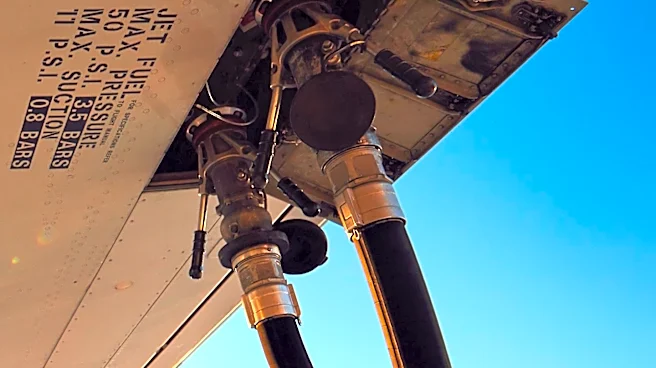
robust commercial strategy, which has been effective in boosting revenues across various segments. However, the airline's operating costs surged by 22% to $16.3 billion, primarily due to an 83% increase in fuel costs, which added $2.2 billion to its expenses. Despite these challenges, American Airlines managed to post an operating profit of $446 million, although this is less than half of the $1.13 billion profit recorded in the previous year. The net profit also saw a decline, dropping to $71 million from $599 million a year ago. CEO Robert Isom highlighted the strong demand for air travel and the constructive impact of reduced industry capacity on the airline's performance.
Why It's Important?
The financial performance of American Airlines is a critical indicator of the broader airline industry's health, especially in the context of rising fuel costs. The ability of the airline to increase revenues despite these challenges demonstrates the effectiveness of its commercial strategy and the resilience of demand for air travel. However, the significant increase in operating costs underscores the ongoing vulnerability of airlines to fluctuations in fuel prices, which remain a major expense. The company's performance also reflects broader economic conditions, including the impact of geopolitical events such as the Iran conflict on fuel prices. The airline's ability to navigate these challenges will be crucial for its financial stability and competitiveness in the industry.
What's Next?
Looking ahead, American Airlines anticipates continued strong demand for air travel and plans to improve its commercial execution in the latter half of the year. The company expects to achieve breakeven full-year adjusted earnings, despite the anticipated $6 billion year-over-year increase in fuel costs. The updated earnings per share guidance ranges from a loss of $0.65 to a profit of $0.65, reflecting the ongoing uncertainty in fuel prices and their impact on the airline's financial performance. The airline's strategic focus will likely remain on optimizing its commercial operations and managing costs to mitigate the impact of external economic pressures.